On the ground
Best time to visit China and the festival calendar
Two weeks of the year when you should not go, and two months when everything is perfect. With dates and temperatures.
September and October, or April and May. Avoid the first week of October and Lunar New Year at any cost.
Updated October 18, 2026
September and October, or April and May. Avoid the first week of October and Lunar New Year at any cost — that is not an exaggeration: it is the difference between seeing the Forbidden City properly and not seeing it.
The two black weeks
Golden Week (1 to 7 October). It is the National Day holiday, and the whole of China’s holiday-making population moves at once. In recent years, monuments such as the Forbidden City and the Terracotta Army have received tens of thousands of visitors a day, with hotels doubling in price and trains and flights sold out weeks in advance. We do not sell tours in this week, and we warn anyone who asks us for it.
Lunar New Year (January or February). It is the biggest festival and the largest annual human migration on the planet. The dates follow the lunar calendar: in 2026 it fell on 17 February and in 2027 it will fall on 6 February. The festival itself is fascinating to watch in Macau and Hong Kong, with the lantern parades and the temples full, but travelling on the mainland on those days requires patience, money and bookings made months ahead. There is also a side effect: many restaurants and small shops close for a whole week, because the owners go back to their villages.
The calendar that matters
Lunar New Year — January/February — red lanterns, firecrackers, red envelopes with money, family reunion dinner. Best seen: the temples of Beijing, Shanghai and Macau, and the Lantern Festival fifteen days later.
Qingming Festival (4 to 6 April) — the day of the dead, when families go to clean the graves and head out to the parks. A short holiday, but with heavy movement on the trains.
Labour Day (1 May and the days around it) — a short break of three to five days, a reduced version of Golden Week, with the same pressure on the top monuments.
Dragon Boat Festival (Duanwu, May or June) — regattas and glutinous rice dumplings filled with beans or meat, wrapped in leaves. Where to see it: Hong Kong, Shanghai and the south.
Mid-Autumn / Moon Festival (September or October) — mooncakes, tea and lanterns. One of the most beautiful festivals to witness: the parks fill with families looking up at the moon. For 2027 it is expected on 15 September.
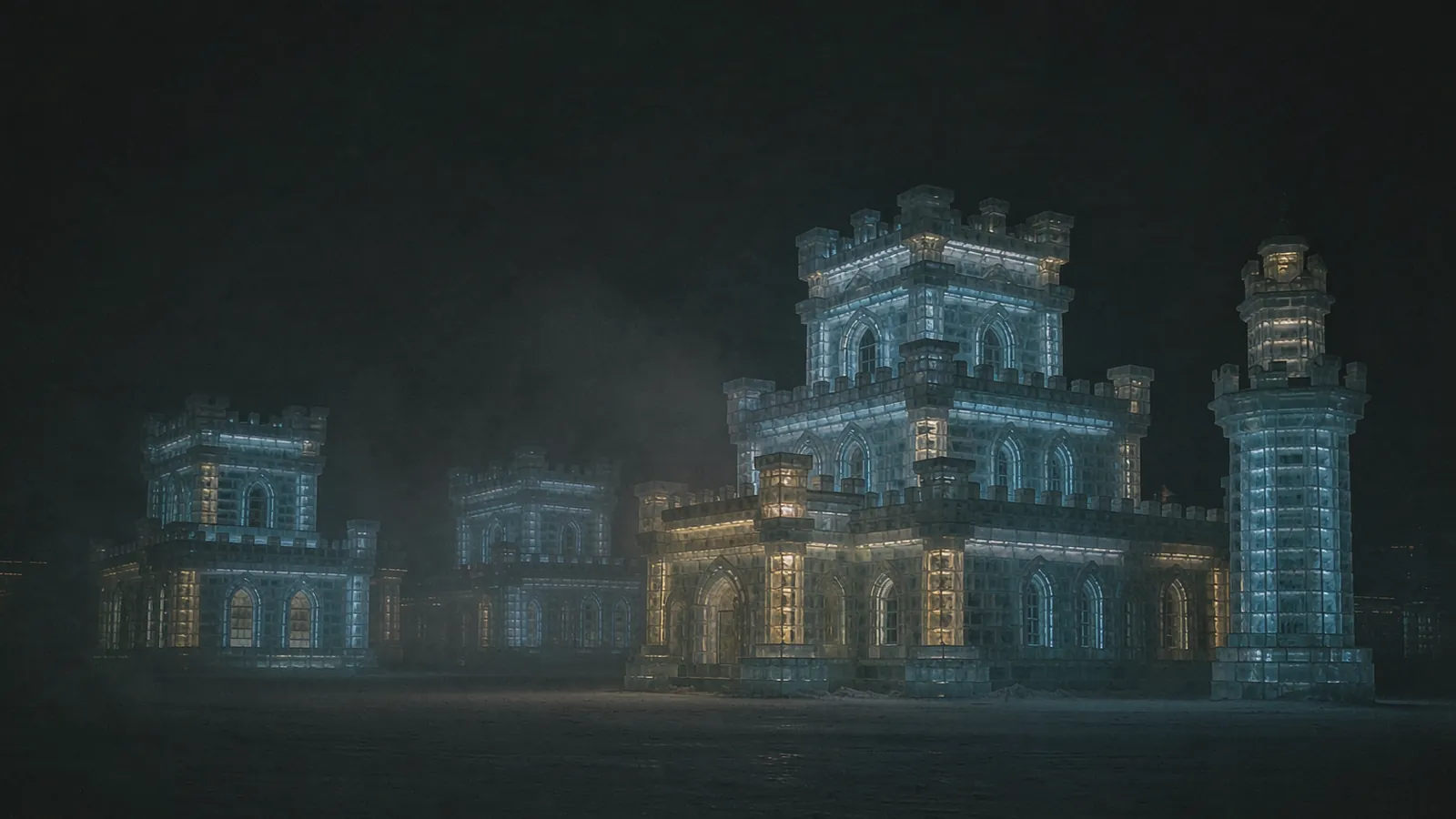
Harbin Ice Festival (December to February) — the only reason to go to the northeast, and a spectacle unlike anything else in the world.
Dai Water Festival (mid-April, Xishuangbanna) — a week of water thrown at everyone in the street, in the tropical southwest.
Local festivals worth shifting your dates for
Alongside the national calendar, there are regional celebrations worth a detour of a day or two, and which almost no foreign operator programmes:
- Lantern Festival (fifteen days after Lunar New Year). Xi’an and Nanjing fill their parks with lanterns; in Zigong, in Sichuan, the lantern fair is considered the best in the country.
- Dai Water Festival (mid-April, Xishuangbanna). Water thrown in the street for a week. It is the happiest festival in China, and it means protecting camera and phone with a bag.
- Yi and Bai Fire Festival (June/July, Yunnan and Sichuan). Bonfires, dancing and wrestling on the ground around the villages; in Lijiang and Dali it coincides with big market days.
- Naadam (July and August, Inner Mongolia). Wrestling, archery and horse racing on the grassland. Requires a dedicated extension.
- Dragon Boat Festival in Hong Kong and Macau (June). Regattas with international teams, in front of the skyline; easy to watch and free.
In all of these cases the rule is the same: book the hotel two months ahead and expect sold-out trains. What we do is lock the local dates first and only then buy the rest of the itinerary around them.
Climate, region by region
China has all of Europe’s climates plus the tropics, in a single strip of land.
| Region | Best time | Winter | Summer |
|---|---|---|---|
| Beijing and the north | Apr–May, Sep–Oct | −8 to 4 °C, dry | 26 to 36 °C, humid |
| Shanghai and the Yangtze | Mar–May, Oct–Nov | 1 to 10 °C, humid | 27 to 38 °C, very humid |
| Xi’an and the centre | Mar–May, Sep–Nov | −5 to 8 °C | 24 to 38 °C |
| Sichuan | Mar–Jun, Sep–Nov | 3 to 12 °C, grey | 24 to 35 °C, muggy |
| Guilin and the south | Apr–Jun, Sep–Oct | 6 to 16 °C | 25 to 35 °C, rain |
| Yunnan | Mar–May, Oct–Dec | 2 to 16 °C dry | 18 to 26 °C at altitude |
| Harbin | Dec–Feb | −15 to −30 °C | 20 to 30 °C, brief |
| Tibet | May–Oct | −8 to 10 °C dry | 12 to 24 °C, monsoon |
| Hong Kong and Macau | Oct–Dec, Mar–Apr | 12 to 18 °C | 26 to 34 °C, typhoons |
One-day holidays that close a great deal
Beyond the two black weeks, there are four short holidays when monuments do not close but overflow, and morning trains sell out earlier: Qingming (4 to 6 April), Labour Day (1 May), Dragon Boat Festival (May or June) and Moon Festival (September or October). Each gives three consecutive days off, which is enough to move millions of people.
On these holidays we do not change the price and we do not refuse bookings: we change the timing of the visits. We enter the Great Wall and the Forbidden City right at opening, book meals in advance and avoid the railway stations between 7am and 10am on Saturdays. Managed this way, travelling over a short holiday is perfectly viable.
What actually changes during a festival
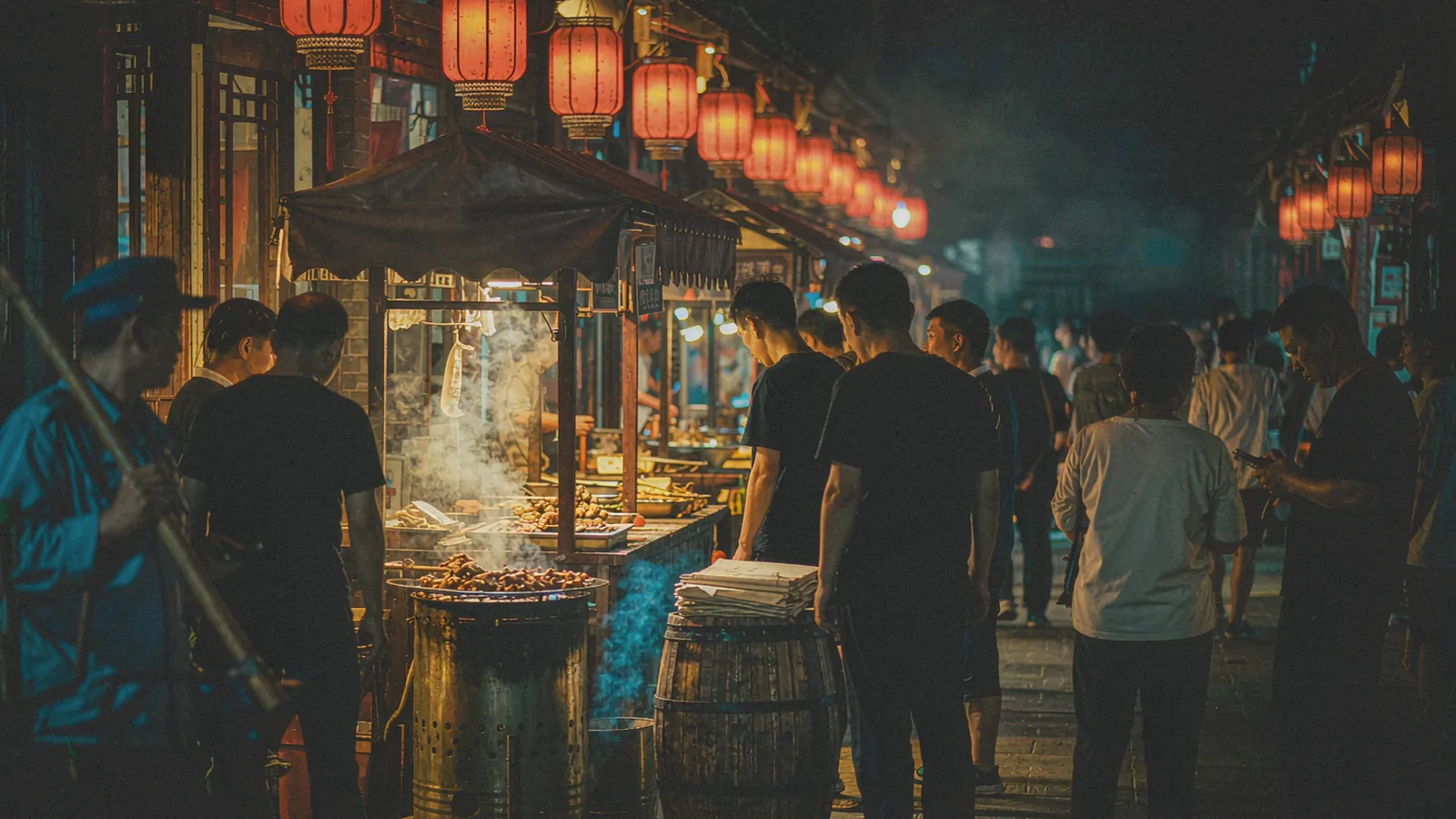
In the big weeks it is not only the crowds that change: the whole city changes. On Lunar New Year days, many neighbourhood restaurants and small shops close for a week, because the owners return to their villages, and the ones that stay open work with a reduced menu. In the southern cities, night markets gain stalls and close later.
At monuments, opening hours tend to be extended and named-entry reservations sell out on the very day they are released. On transport, railway stations saturate between 7am and 10am on the first days of the holiday, and domestic flights get noticeably more expensive.
The practical consequence is simple: in festival week, the itinerary is built from the bookings already closed and not from what you would like. We fix the dates and times first, and only then design the rest around them.
Three practical tips
Book monuments further and further ahead. The Forbidden City and the Terracotta Army release named tickets seven days in advance and sell out the same day in high season. We book at the first available minute.
Keep a buffer day. For itineraries that depend on light — Zhangjiajie, Yuanyang — we always leave a free morning to repeat the viewpoint that was left without sun. Between April and June in the south this is not caution, it is necessity.
Ask us before fixing dates. Before buying the flight, tell us the month. We reply with two lines on climate, crowds and availability, and save you two black weeks for a very low cost in adjustment. We get many requests where a difference of two or three days solves the whole problem: arriving on 8 October instead of 3 costs the same flight and completely changes the experience.
Frequently asked questions
What is the best time to visit China?
September to November and March to May. September and October give clear skies, 15 to 28 degrees across most of the country and the best light of the year. March to May has flowers, fewer people and mild temperatures, with the caveat of sandstorms in the north.
When should you not go?
In the first week of October, Golden Week, and in the week of Lunar New Year. These are the two times when monuments receive tens of thousands of visitors a day, hotels double in price and trains sell out within minutes.
When is Lunar New Year?
It follows the lunar calendar and changes every year: in 2026 it fell on 17 February and in 2027 it will fall on 6 February. The holiday officially lasts seven days, but many people travel for two weeks around that date. We always confirm the dates for the year in question before closing the itinerary.
Is it seriously cold in winter?
It depends on latitude. Beijing runs between minus 8 and 4 degrees, Shanghai between 1 and 10 with damp that gets into your bones, and Harbin between minus 15 and minus 30. In the south, Guangdong and Yunnan hold 12 to 20 degrees. It is a country with the climates of an entire continent.
Is it worth going in summer?
Only for high-altitude or cold destinations, such as Yunnan, Qinghai, western Sichuan and Tibet, where July and August are pleasant. In the eastern and southern cities, July and August bring 30 to 38 degrees with high humidity and heavy rain.
Where this applies
Talk to the people who run it
Still got a question about best time to visit china and the festival calendar?
Message us on WhatsApp. We reply in English within one business hour (UTC+8).
Chat on WhatsAppReplies in English · no obligation