Destinations
Beijing
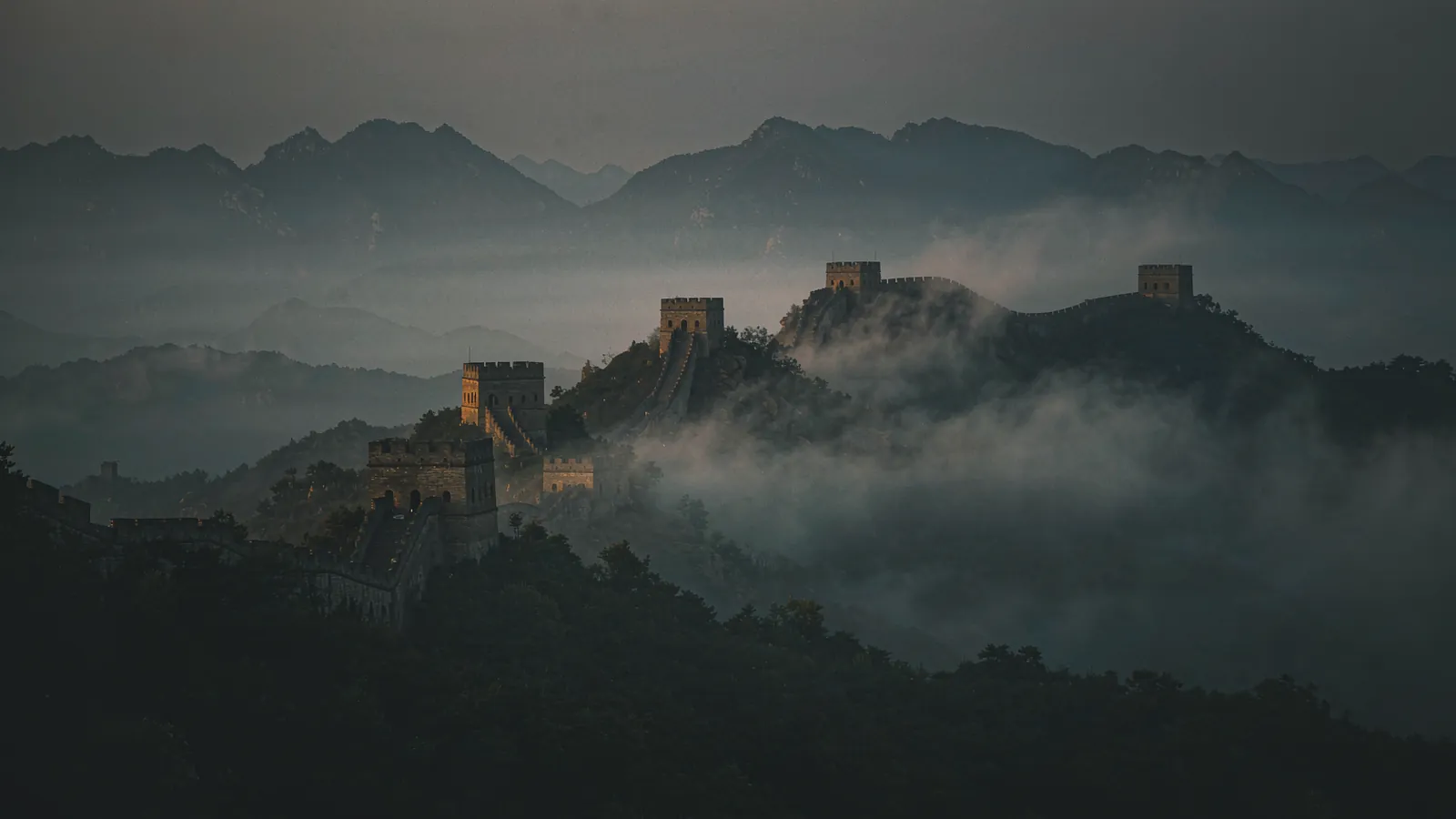
The Wall at dawn, before the coaches arrive. The Forbidden City with time to actually look at it.
At a glance
- Best time to visit
- Apr–May · Sep–Oct
- Suggested nights
- 2 to 3 nights
- Region
- Norte
- Booking required
- Forbidden City · National Museum of China · Great Wall at Mutianyu
Beijing is the first stop on most China itineraries, and the city that disappoints visitors most often when they see it with a group. The difference is not what you see but the hour you see it: the same stretch of Wall is a corridor of people at 11am and almost empty at 7am. We run tours with our own office in China and our own guides, so most of our work here is getting the timing right.
Why go
Beijing is where you realise that travel in China is not only about landscape. It was the capital of five dynasties and keeps, within a radius of a few kilometres, the largest complex of wooden architecture in the world, imperial temples still in use, and courtyard-house neighbourhoods where daily life goes on much as it did a hundred years ago. It is also the easiest city in the country for a first approach: modern metro, bilingual signage, hotels at every level, high-speed rail to Xi’an and Shanghai.
For anyone planning a trip to China, Beijing works as the gateway: you fly in from abroad, spend three days, then continue by train into the rest of the route with no need for any more domestic flights. This is the rail junction where the rest of the itinerary gets decided — four and a half hours to Xi’an, a little over four to Shanghai, two to Datong.
What to see and do
The Great Wall at Mutianyu. The restored section closest to the city that has both a cable car and a toboggan descent. We go in at 7am, when the ticket office opens. The cable car lifts you to tower 14, you walk east to tower 20 — about an hour, with hard climbs — and you come down on the toboggan. Anyone wanting more can continue to Jiankou, the unrestored stretch alongside, which requires a mountain guide.
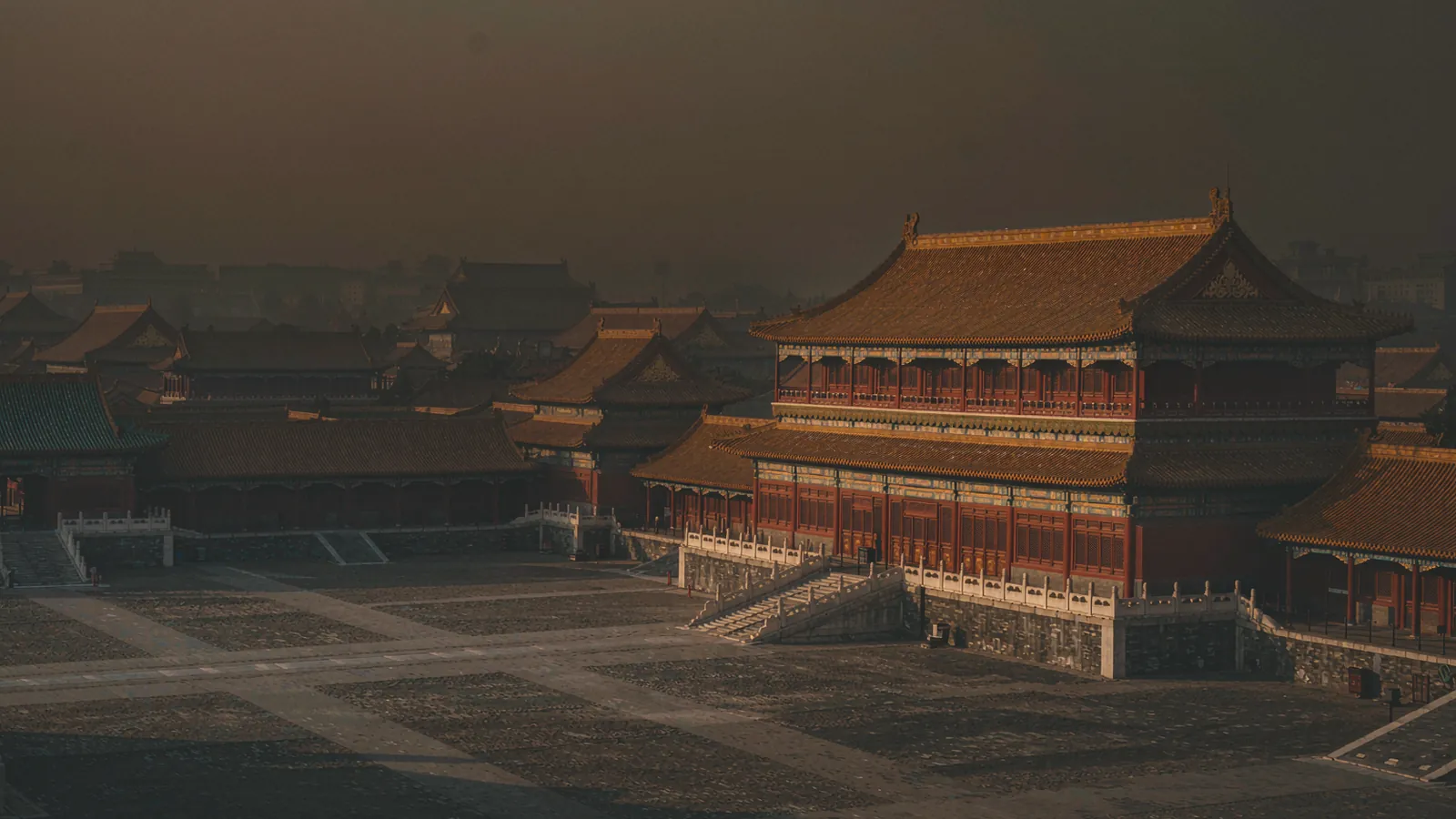
The Forbidden City. Close to a thousand buildings along a 900-metre axis. It opens at 8:30am and closes on Mondays. We enter through the Meridian Gate, follow the central axis to the gardens and leave through the north. Most visitors never step off that central axis: ten minutes east or west and you have entire courtyards to yourself.
Jingshan Park. An artificial hill immediately north of the Forbidden City. Ten minutes on foot and you have the classic view over the yellow roofs. At sunset it is the best vantage point in the city, and it costs two yuan.
The Temple of Heaven. Worth it at 6:30am, before the working day: tai chi, choral singing, badminton and cards under the cypresses. The park opens at 6am, the central monuments at 8am. The park ticket on its own is enough for the view.
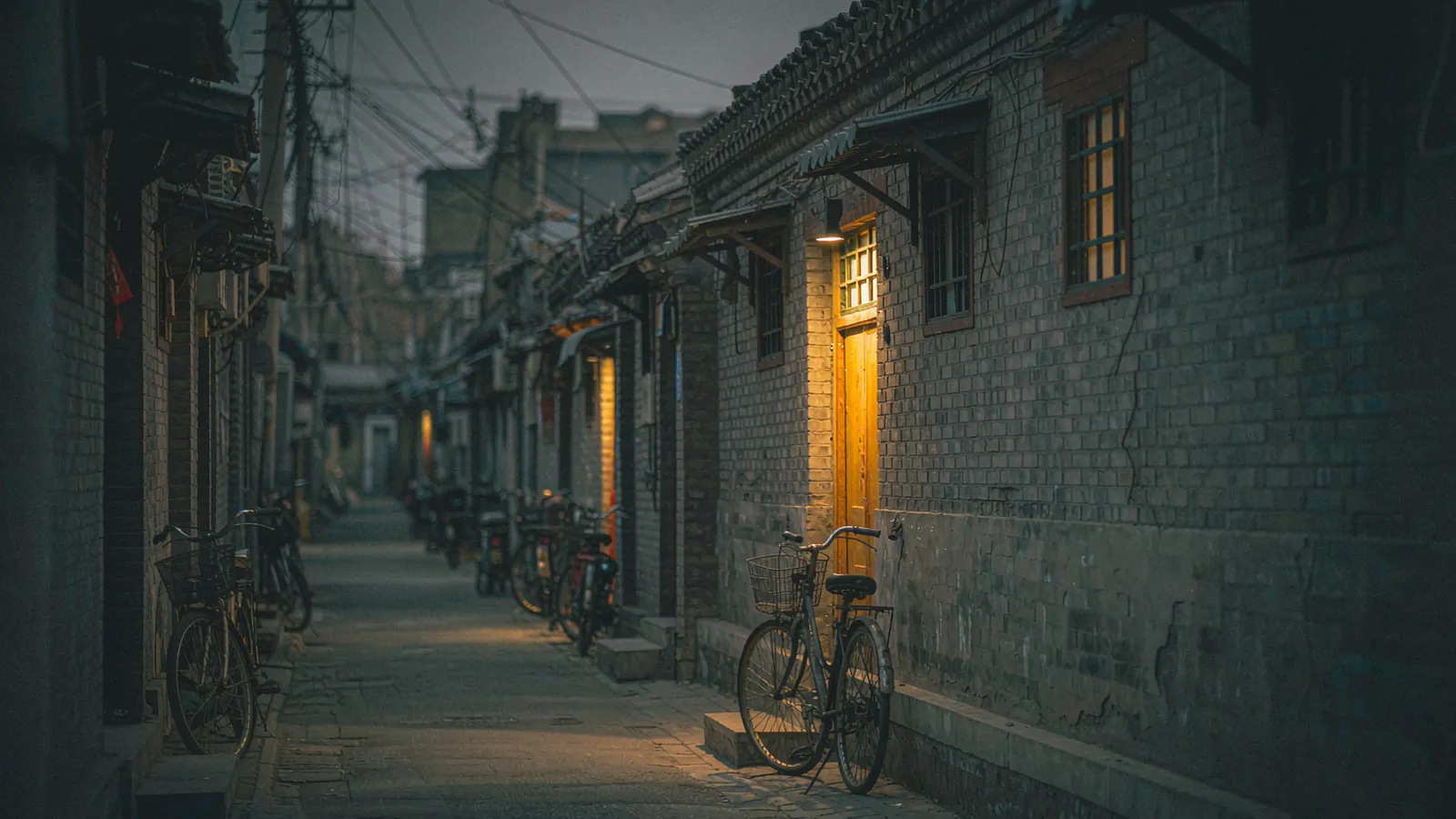
The hutongs of Dongcheng. Nanluoguxiang is the souvenir street; we avoid it. We prefer Baochao, Wudaoying and the banks of Shichahai Lake towards evening, when families come out into the street.
Summer Palace and Lama Temple. The first deserves a full afternoon, with Kunming Lake and the Long Corridor; the second belongs to early morning, before 9:30am, for the 18-metre white sandalwood statue.
How we run it
Groups reach the Forbidden City at 10am. We enter at 8:30am through the south gate and leave through the north into Jingshan, so there is no backtracking. The Wall goes on the next day, at the same hour, to avoid two consecutive early starts — or else we swap Mutianyu for Jinshanling, two and a half hours further out, which repays it in peace.
We handle the real-name reservations for the Forbidden City, the National Museum and the Wall at least a week ahead, because tickets go fast in high season. We also book the Peking duck restaurant: without a reservation, an hour and a half wait at 7pm is normal. And we adjust the first day — anyone arriving on an overnight flight starts at 10am, never at 7am.
How long to stay
Two nights cover the Forbidden City, Jingshan, the hutongs and a morning on the Wall. It is the minimum, and it already forces a choice: either the Summer Palace or the Temple of Heaven gets dropped.
Three nights is what we recommend on a first trip to China. There is room for the Temple of Heaven at 6:30am, a full afternoon at the Summer Palace without running, and two evenings of sit-down dinners instead of twenty-minute meals between visits. It is also the margin needed to wait for the clear-sky day the Wall deserves.
Four nights only make sense with extensions: Datong and the Yungang caves two hours away by train, or Jinshanling, sleeping at the foot of the Wall. Anyone coming mainly for Xi’an and Shanghai tends to give up a Beijing day, and regrets it.
Whatever the length, count on the first day starting at 10am — someone landing in the small hours after a flight from Lisbon does not go up the Wall that day. We always schedule the Wall for the second day, never for the arrival day.
When to go
April to May. 12 to 28 °C, trees in blossom and pollen in the air. The best window, with the caveat of the sandstorms in March and early April, which can cut visibility by mid-morning.
June to August. 26 to 36 °C, humid, heavy rain in July. The Wall has no shade at midday and it is punishing. We only advise it for those with no alternative dates.
September to October. 10 to 25 °C, clear skies, the best light of the year. Avoid the first week of October, Golden Week: up to 20,000 visitors a day pass through the Forbidden City.
November to March. -8 to 6 °C, short dry days. The Wall under snow and without anyone on it is one of the best images in the country. February frequently coincides with Lunar New Year, with dearer hotels and difficult reservations.
Where to stay
Wangfujing and Dongcheng. Next to the Forbidden City, ten minutes on foot. Practical, dull in the evening.
Gulou and the hutongs. Our choice for couples and for our private tours: courtyard houses converted into boutique hotels of 10 to 20 rooms, breakfast served in the courtyard. Allow for street noise at weekends.
Sanlitun and Chaoyang. Embassy district and nightlife, good restaurants, further from the monuments.
We avoid Yizhuang, Tongzhou and the southern part of the fourth ring: it is cheap, but an hour on the metro from everything worth seeing.
What to eat
In Beijing the obligation is Peking duck. For a meal with history behind it, Quanjude, founded in 1864; for better meat and local customers, Siji Minfu or Dadong, booked through our guide. It is served in three stages: crackling skin with sugar, slices rolled in pancake with spring onion, and bone soup.
Beyond that: zhajiangmian, noodles with fermented bean paste from the Gulou counters; scallion pancakes at the Donghuamen market; lamb skewers in the Muslim quarter of Niujie; and the local breakfast of steamed buns with soy milk, at the street houses of Dongsi.
Getting there
Two airports. Capital (PEK), to the north, connected by metro and by the Airport Express, with a taxi to Wangfujing taking around 45 minutes and costing 150 yuan. Daxing (PKX), to the south, with the Daxing Airport Express train to Caoqiao station in 20 minutes.
By high-speed rail: Shanghai–Beijing in 4h18 to 6h and Xi’an–Beijing in 4h30 to 6h, arriving at Beijing South or Beijing West. We always book first class, with reserved seats and luggage space by the door. All our Beijing programmes include a pickup on arrival, at the airport or at the station. The guide waits at the platform exit gate rather than out in the station square: at peak hours, Beijing South has two identical exits on opposite sides of the building.
Where most agencies get it wrong here
Reaching the Forbidden City at 10am. That is the hour the coaches tip out. The queue at the Meridian Gate easily passes 40 minutes, and the central axis becomes a corridor. We go in at 8:30am, with a real-name ticket bought seven days earlier.
Going to Badaling. It is the closest and most photographed section, which is why it is where the 40-person groups are sent. On a Saturday morning the climb is done with a hand on the handrail, and motorway traffic starts at 6am. Mutianyu is another thirty minutes down the road and Jinshanling another two hours; both are worth the difference.
Booking Peking duck for 7pm in Wangfujing without a reservation. An hour and a half queuing outside is normal in October. We book the table, choose the house, and tell you in advance that the skin comes first, with sugar — whoever does not know asks for it at the end, and it arrives cold.
Putting the Wall on the arrival day. Anyone coming from Lisbon lands in the small hours. Pairing a 6:30am departure with an overnight flight turns the most anticipated day of the trip into an endurance test.
Doing the hutongs by coach. Nanluoguxiang is a line of shops with loudspeakers in the doorways. We walk Baochao, Wudaoying and the shore of Shichahai Lake towards evening, which is when the city comes out onto the street — and there is no ticket or reservation involved.
We run every Beijing day with a private guide and car; none of our tours in China include stops at shops, silk workshops or commission-paid teahouses.
Keep reading
How we organize it
01
We arrive early
We get into the monuments before the tour buses. The Wall at 7am, the Forbidden City at 8:30am.
02
A Portuguese-speaking guide
One guide from the first day to the last, in Portuguese. No handing you over to someone new in each city.
03
We handle the bookings
We take care of the named reservations that need a passport, including the ones that sell out in high season.
Frequently asked questions
Do I need to book the Forbidden City in advance?
Yes. Entry is by real-name ticket, requires your passport number, and tickets are released seven days ahead, in the evening, Beijing time. Through April, May, September and October they sell out the same day. We handle the reservation as soon as the tour is confirmed.
Which section of the Wall is best for avoiding crowds?
Mutianyu at first light, or Jinshanling on a weekday. Badaling is an hour from the city and where the groups go; it is not advisable at weekends. At Mutianyu we arrive around 7am, take the cable car up and come down on the toboggan.
How many days do you need in Beijing?
Two days cover the essentials. Three let you go to the Wall without rushing, walk the hutongs and still fit in the Summer Palace or the Temple of Heaven at dawn. For a first trip to China we recommend three nights.
Do people speak English in Beijing?
In international hotels, yes. In neighbourhood restaurants, markets and taxis, rarely. It is one of the reasons every private tour we run in China includes a guide.
Can I visit Beijing independently, without a guide?
You can, for the main monuments: the metro is bilingual and tickets are bought on the app. Where you lose time is everywhere else — real-name reservations that need a passport number, waiting for taxis at rush hour, restaurants with no menu in English. That is why our private tours in China always include a guide and a car.
Is Beijing an expensive city?
Less than Lisbon for meals and transport. A Peking duck dinner for two runs 300 to 500 yuan; a single metro ride costs 3 to 7 yuan. What pushes prices up is the five-star hotels in Wangfujing.
Tours that include Beijing
Talk to the people who run it
Want Beijing in 2 to 3 nights, or a different way round?
Tell us how many you are, when you want to go, and what cannot be left out. We shape the itinerary from there.
Chat on WhatsAppReplies in English · no obligation