Regions
Hainan
The tropical island of China: Sanya, Haikou and the east coast. When to go, how many days, and how to attach it to a mainland trip without losing time.
At a glance
- Recommended days
- 7 days
- Cities to combine
- Hong Kong and Macau · Guilin and Yangshuo · Shanghai
- How you travel
- Private · English-speaking guide · no shop stops
- Updated
- October 18, 2026
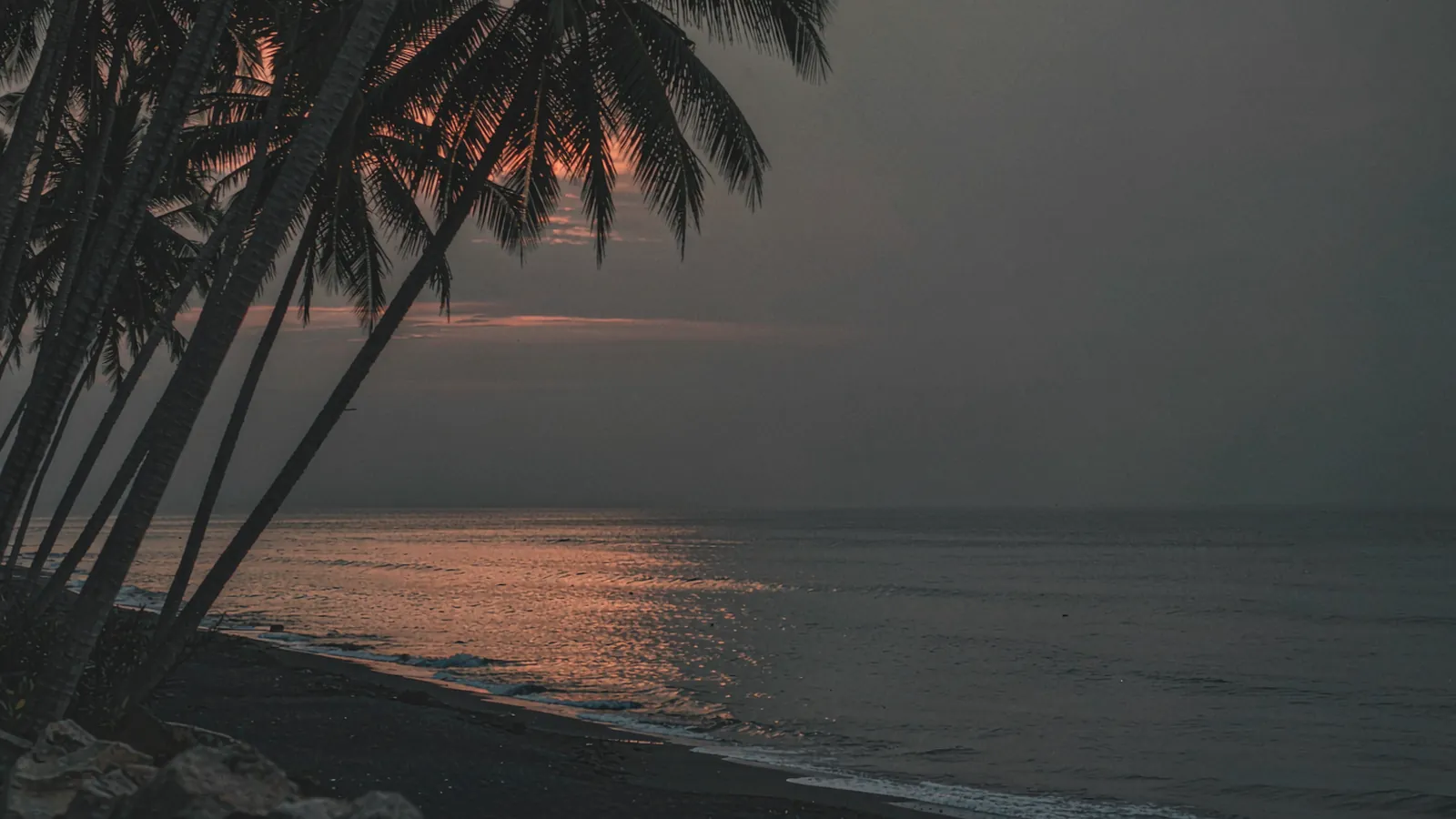
Hainan is the only tropical province in China and the only one where you can have a beach holiday without leaving the country. It lies in the South China Sea, separated from the mainland by the Qiongzhou strait, and is roughly the size of Belgium. Hainan, the tropical island of China, is what it gets called when it needs distinguishing from the rest: there are no walls and no skyscrapers defending anything here, just palms, rice paddies, coconut plantations and a coast of successive bays facing south.
It is also, and perhaps above all, the natural ending to a mainland itinerary. Ten days between Beijing, Xi’an and Shanghai leaves anyone tired; four days listening to the sea in Sanya is the most sensible way to finish, without doubling back and without racing for the international flight.
What Hainan really is
The island has two cities that matter and a coastline you can drive.
Haikou, the capital, is in the north. It is not a beach city: it is a service city, with the Qilou quarter, streets of colonial arcades with shops below and balconies above, where eating is good and cheap. Worth one night and one market. It also has the volcanic geological park, with craters and lava tunnels a few kilometres from the centre.
Sanya, at the southern tip, is why almost everyone comes. It is the only Chinese city with a genuine tropical beach, at the latitude of Hawaii, and it is organised into chained bays: Sanya Bay, next to the airport; Dadonghai, more urban and livelier; Yalong Bay, the best stretch of sand, with resorts; and Haitang Bay, newer and quieter, with the country’s largest duty-free shopping complex. Offshore there are islands — Wuzhizhou, with organised snorkelling and diving — and the Nanshan cultural zone, with the statue of Guanyin out at sea.
The east coast is what most visitors do not do and should: Wanning, with surf beaches at Riyue Bay, coconut plantations, and the rhythm of a province that does not live on tourism alone.
The interior nobody visits
Hainan is not only coastline. The centre of the island is mountainous, with humid rainforest, and it is where the Li and Miao minorities live. Mount Wuzhi, close to 1,900 metres, is the highest point; around it there are several reserves with boardwalks and waterfalls, and villages where you still see Li brocade, hand-woven in patterns that identify the village it comes from.
It is done over two days sleeping outside Sanya, and it is the part that most changes how you see the island: Hainan stops being a resort and becomes a province with agriculture, forest and a population that does not speak Mandarin as a first language.
Haitang Bay also holds the largest duty-free shopping centre in the country, and it is a stop many people make without meaning to: you go in out of curiosity and come out with a suitcase. Anyone coming for that purpose should know there are rules on collecting and carrying the goods bought — we confirm the conditions in force before the trip, because they change and because they apply differently to residents and to foreign visitors.
Where to stay
In Sanya, the choice is between bays rather than between hotels. Yalong Bay has the best beach and the largest resorts, but it is some thirty minutes from the centre and means driving out for dinner. Dadonghai is urban, with restaurants on foot and the beach right there, and it is the best option for anyone not wanting to be shut inside a complex. Haitang Bay is the newest and quietest, suited to people coming specifically to rest.
In Haikou, a single night is enough, and it is worth choosing the centre so you can walk the Qilou quarter late in the afternoon.
In the interior, the few lodging options are small and family run. It is one of the regions where we book furthest ahead, because supply is short and has not grown at the pace of coastal tourism.
What you eat
Hainan cooking is light, fresh and very different from the north. The four classic dishes are Wenchang chicken, poached and served with rice cooked in the bird’s broth; Jiaji duck; Dongshan goat; and Hele crab. Then there is coconut in every form, grilled seafood at the night markets, and tropical fruit — mango, jackfruit, lychee, dragon fruit — at prices you do not find on the mainland.
For anyone coming for the food, the island fits naturally into Gastronomic China, which brings the south of the country and Macau onto one route. It is the logical extension of a food trip that has already been to Guangzhou.
When to go
November to April. Dry season, 20 to 28 °C, calm sea, clear skies. It is high season, and the only time we recommend without qualification.
May to June. Transition: hotter, humidity climbing, frequent rain in the afternoon. Still workable, with flexibility.
July to October. Typhoon season in the South China Sea. Warnings arrive with some notice, but there are days when the island stops: beaches closed, boats ashore, flights cancelled. Prices fall sharply, and it is a gamble.
February is the busiest month, coinciding with Chinese New Year and the European winter holidays. It is booked months in advance.
How many days
Four days cover Sanya with two bays, one boat trip and a seafood dinner. It is the most common end to ten days on the mainland.
A week allows Haikou, the climb into the interior, two nights at Yalong Bay and a stop on the east coast. It is the right pace for anyone wanting to do nothing.
More than ten days only makes sense for people coming exclusively for the beach, and in that case it is worth comparing against Southeast Asian destinations.
How to combine it with the mainland
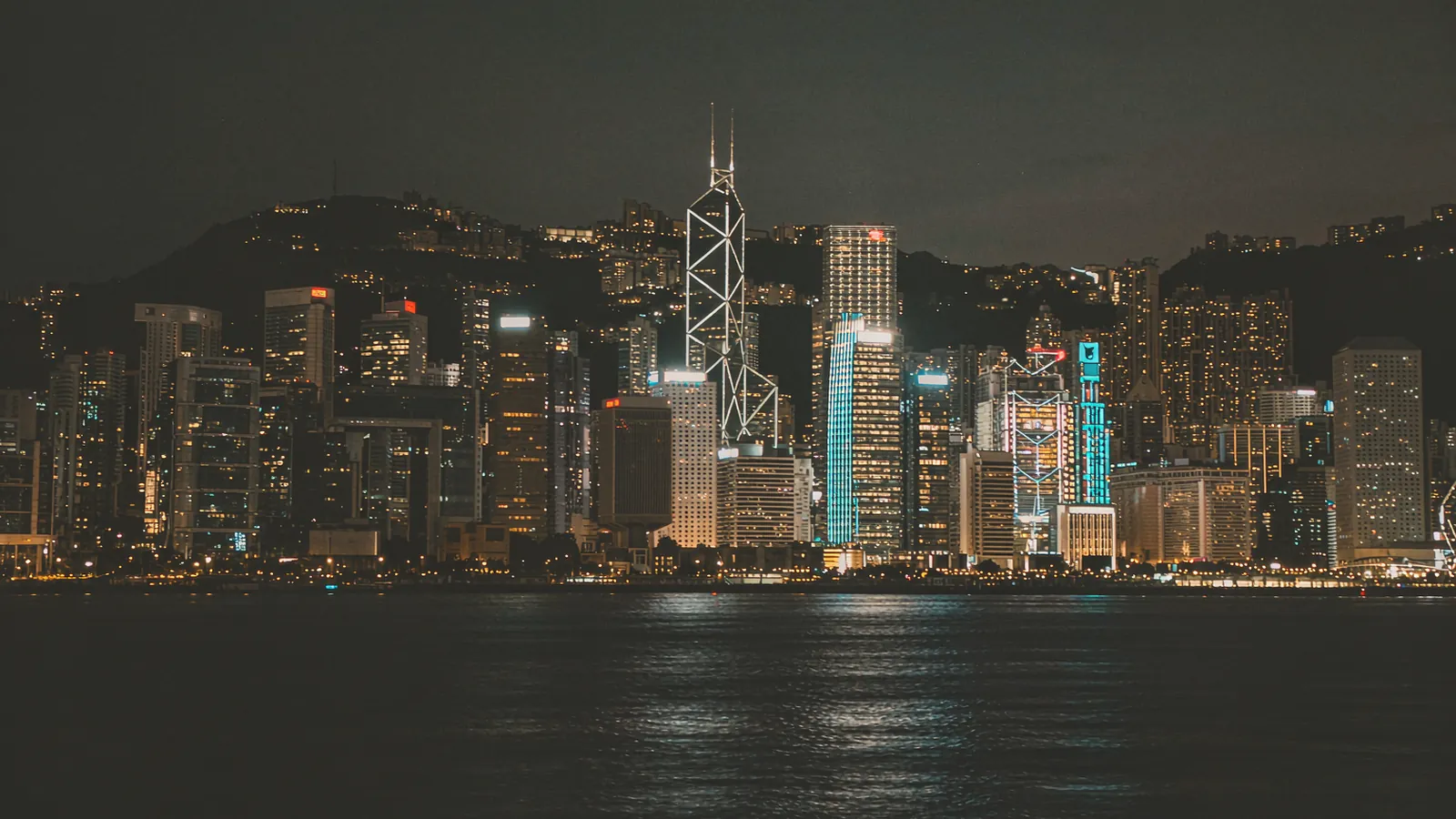
Hainan works badly as a standalone destination and very well as the closing of a trip. The most efficient sequence: enter through Hong Kong and Macau, go up into the mainland via Shanghai or Guilin, do the main route, and come down to Sanya in the last days, flying out internationally from the island itself or from Hong Kong the following day.
The air link between Macau or Hong Kong and Sanya is short, with several flights a day; timetables should be confirmed at the time of booking, because they change by season. Within the island, the high-speed railway runs the coastal loop and links Haikou to Sanya in under two hours, which makes hiring a car unnecessary.
For honeymoons it is the most requested addition: the trip ends on the beach, which is exactly what Hidden China Honeymoon does, coming down as far as Macau before everyone goes home.
Health and practical care
Hainan does not have the tropical diseases of other latitudes: there is no malaria on the island, and the tap water is not drunk, as everywhere else in the country. What actually affects the traveller is the sun and the humidity. Between 11am and 3pm the radiation is enough to ruin the first beach day for anyone not using protection and a hat. Mosquitoes appear mainly at dusk and inland, by the forest; repellent deals with them.
In typhoon season, warnings are issued early enough to reorganise the day. We follow the meteorological calendar whenever there is a booking on the island between July and September, and we warn before the trip starts if there is a risk.
What not to expect
Hainan is a Chinese island: signage is in Mandarin, menus do not always carry English, and the beach has music and loudspeakers in high season. It is not Southeast Asia and it is not the Caribbean. The water is warm and clean enough to swim in year-round, but the coral around Sanya is not at Philippine levels.
One practical note on payments: the same mobile payment systems used in Beijing or Shanghai work here, but in inland villages and small beach businesses cash remains the quickest. We always carry some small notes before coming down to the island.
What the island gives, and gives well, is 26 °C in January, fresh fruit, cheap seafood and four days in which you visit nothing at all. After twelve days climbing walls and going into museums, that counts for a lot.
We organise Hainan privately at all times, with a private guide on the mainland and local support on the island, with no shop stops and no routes shortened because of commissions.
Cities to combine
Frequently asked questions
Do I need a visa for Hainan?
Hainan has its own entry rules, with visa-free stays for some nationalities under some entry conditions. The conditions change, and every nationality has its own framework: we always confirm the specific case through official channels before booking.
How many days are worth it in Hainan?
Four to five days cover Sanya and one trip inland. Seven allow Haikou, the east coast and two unhurried days of beach. It is the most comfortable beach addition to a trip through China, not a two-week destination on its own.
What is the best time to go to Hainan?
November to April. It is the dry season, with 20 to 28 °C and calm sea. From May to October it is typhoon season with heavy rain, especially between July and September: prices drop, but whole days get lost.
Does Hainan combine with a mainland trip?
Yes, and that is the smartest use of the island. You enter through Hong Kong or Guangzhou, see the mainland, and finish with four or five days of beach in Sanya before the flight home. It avoids going back to cities you have already visited just to catch a plane.
Can you dive in Hainan?
There is diving and snorkelling organised around Sanya, mostly on the offshore islands, in warm water year-round. Visibility and coral are not at Southeast Asian levels, and the rainy season cuts the number of sailings sharply. Worth it as a day activity, not as a reason to travel.
Talk to the people who run it
Want Hainan in 7 days, or a different way round?
Tell us how many you are, when you want to go, and what cannot be left out. We shape the itinerary from there.
Chat on WhatsAppReplies in English · no obligation