Destinations
Yunnan
Twenty-five ethnic groups, one mountain road, and snow on the horizon of a subtropical valley.
At a glance
- Best time to visit
- Mar–May · Oct–Dec
- Suggested nights
- 5 to 7 nights
- Region
- Sudoeste
- Booking required
- No booking required
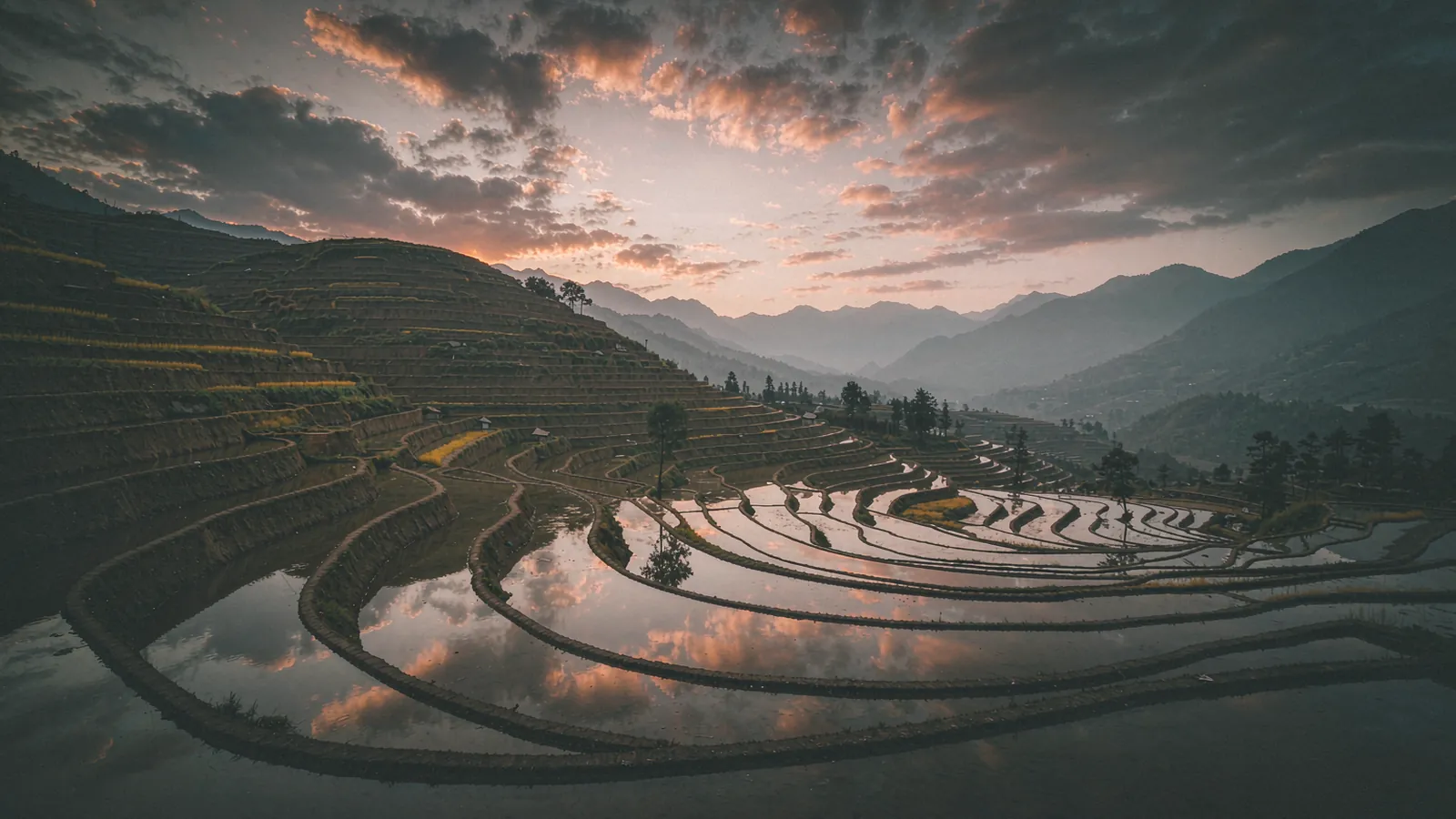
Yunnan is the most diverse province in China: twenty-five recognised ethnic minorities, from the Naxi, whose pictographic script is still alive, to the Tibetans of the plateau in the north, by way of the Bai and the Yi. Over short distances you move from subtropical valleys with rice terraces to glaciers at 6,000 metres.
Why go
Because it shows the China that does not appear on the postcards. Not one place in Yunnan is an imperial monument; they are old stone towns with water running through channels, thousand-year-old terraced fields, villages speaking a language unrelated to Mandarin, and a kitchen built on wild mushrooms, goat’s cheese and ham cured at altitude.
It is also the region that rewards travelling slowly: five to seven days at ease, two nights in each place, at a pace no group tour allows. It is the natural extension of a second trip to China, and the best place in the country to understand that “China” is not one single thing.
What to see and do
Kunming and the Stone Forest. The capital is the “city of eternal spring”, with an annual average of 15 °C. It works as the arrival point and is worth it for the Flower Market and the mushroom cooking. Two hours away lies the Stone Forest, a field of limestone towers 270 million years old that people get lost behind — we book a local guide and do it in three hours, skipping the buggy circuit.
Dali and Erhai Lake. The walled old town of the Bai, with a water channel running alongside the streets, and the third largest freshwater lake in China, looking across at a 4,000-metre range. The loop around the lake can be cycled in a day, stopping at the fishing villages and at the Shazhou market, which opens at dawn and closes around 11am.
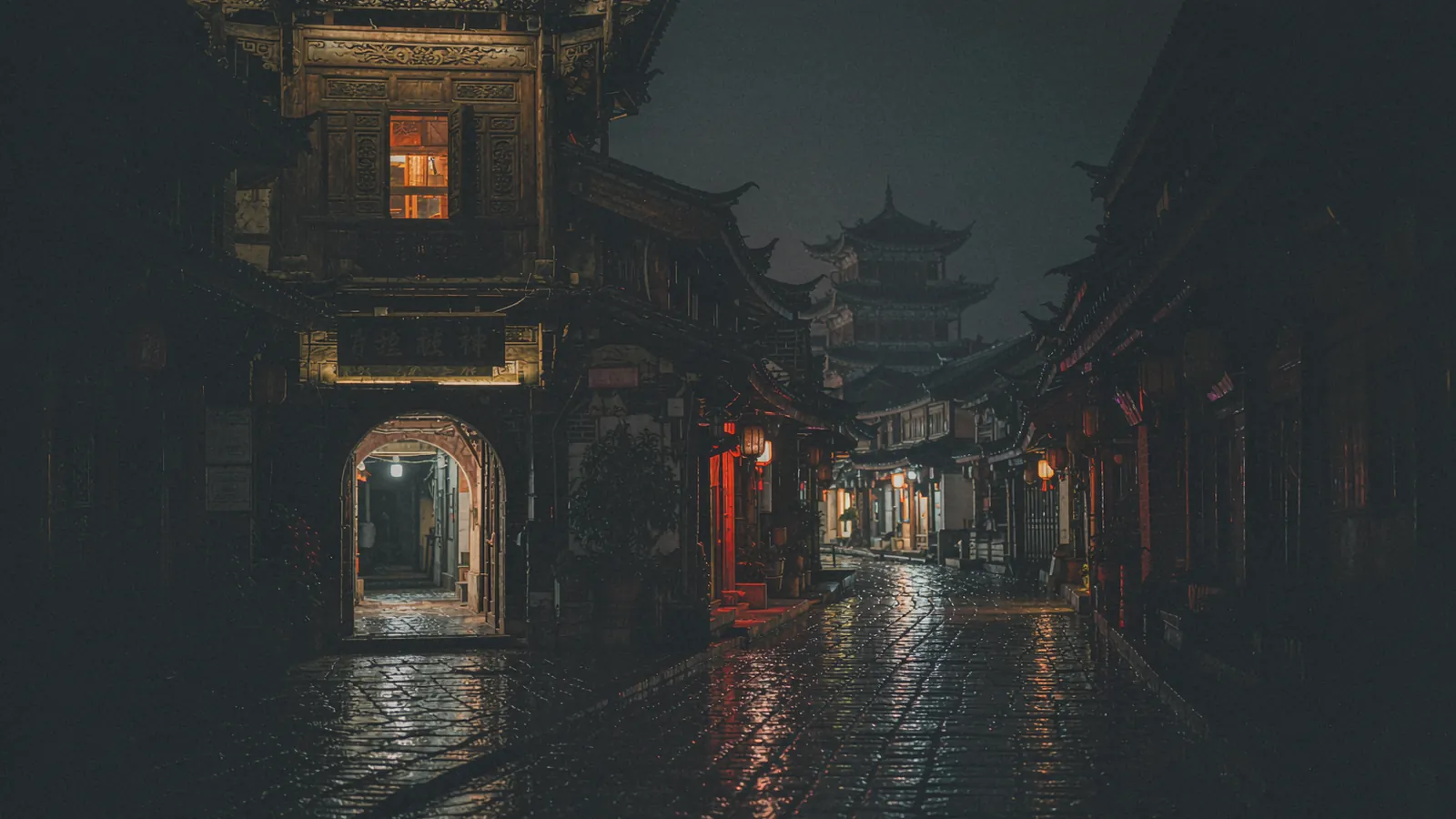
Lijiang and the Jade Dragon Snow Mountain. A Naxi town listed by UNESCO, where the channels once served as a fire-warning system. We take the cable car up to 4,506 metres, then walk down on foot through Blue Moon Valley. The reservation has to be made at least two days ahead: cable car tickets sell out.
Tiger Leaping Gorge. One of the deepest gorges in the world: the Yangtze runs squeezed between two walls of 3,000 metres. The high trail takes two days with village accommodation, or eight hours in a single day for anyone who only wants the Two Bridges viewpoint. It is the most beautiful walk in China at this level of difficulty.
Shangri-La and the plateau. Tibetan villages, monasteries with prayer flags, and pastures at 3,200 metres. Here you see real yaks and eat tsampa. From Shangri-La you continue to Songzanlin, the largest monastery in Yunnan.
How we run it
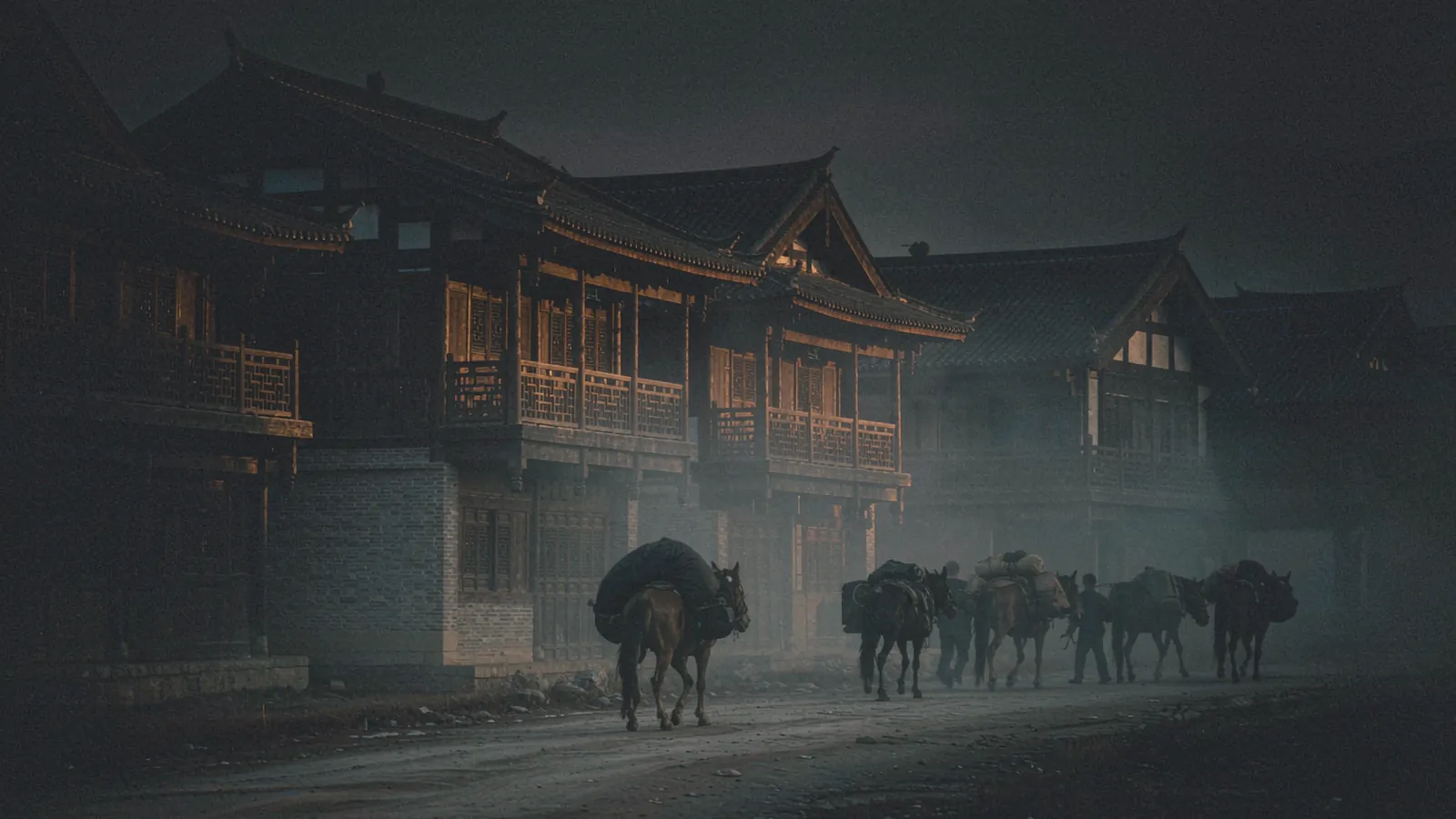
We do Yunnan always by private car with a local driver, and never on public transport, because of the roads: they are good, but they are mountain roads, with switchbacks and sudden fog even in July. We contract drivers who know the stretches because they run the route every week.
We split it into two blocks separated by a free day in Lijiang, because that gap is what allows two nights of sleep before Shangri-La. It is what keeps altitude headaches off our clients.
We book the Snow Mountain cable car at least two days in advance. In July and August, when tickets sell out, we propose the Baishui valley without the cable car instead.
We never include stops at “cultural” tea shops or silver shops. It is standard practice in group tourism in Yunnan, and it is time stolen from the day.
How long to stay
Five nights is the minimum: one in Kunming or none at all, two in Dali, two in Lijiang. It does the essentials and leaves out Shangri-La, which is acceptable for anyone who has already seen Tibet.
Seven nights is our recommended programme. It allows two days in Dali with the loop round Erhai Lake by bicycle, two in Lijiang with the Snow Mountain, one night going up to Shangri-La and two nights on the plateau for Songzanlin monastery and a trip out to the pastures.
Nine to ten nights suit anyone adding Tiger Leaping Gorge over two days of walking with a night in a village, or Lugu Lake and the matriarchal Mosuo society, six hours by road from Lijiang.
Fewer than five nights we do not recommend: more time goes on transfers than on places, and the region loses exactly the thing that makes it different, which is the slow pace.
When to go
March to May. 8 to 24 °C depending on altitude, dry, green fields and flowers on the slopes. The best time for walking and for Dali.
June to September. The southwest monsoon: rain almost daily in the afternoon, slippery roads, and fog that hides the Snow Mountain. There is one compensation: it is wild mushroom season, and anyone interested in Chinese food will want to come in exactly these months.
October and November. 6 to 22 °C, dry air, clear skies and golden light on the terraces after the harvest. Our preference for photography.
December to February. 2 to 16 °C in Kunming and Dali, but below freezing with snow in Shangri-La. It is when you see the black-necked cranes on the plateau lakes. Few tourists.
We avoid the first week of October, when Lijiang receives domestic crowds.
Where to stay
In the old town of Dali, inside the walls or in the guesthouses on the shore of Erhai Lake, preferably facing east so the sun rises over the water.
In Lijiang, in the old town, in converted Naxi courtyards, taking care to choose houses away from the main streets, because the central area has loud music until late. For silence we prefer Shuhe, the village alongside, smaller and calmer.
In Shangri-La, hotels with heating and supplementary oxygen, because a night at 3,200 metres is always harder than expected. This is not where you economise.
What to eat
Yunnan cooking starts with guoqiao mixian, the noodles crossed over the bridge: boiling broth in a stone bowl into which you drop the raw ingredients one after another, to cook at the table. It has been served in Kunming since the nineteenth century.
Then there is Dali goat’s cheese (rubing), fried or grilled with sugar, sold from stalls in the old town; wild mushrooms sautéed with garlic — dozens of species appear in July, some of them hallucinogenic and known only to locals; and Xuanwei ham, cured at altitude.
In Shangri-La everything changes: tsampa, Tibetan dough, yak butter tea, and stewed dried meat. For dessert, and everywhere, rose cake, puff pastry made with petals, typical of Kunming.
Getting there
Kunming Changshui international airport is among the five largest in China and has frequent direct links with Beijing, Shanghai, Chengdu and Guangzhou.
By high-speed rail: Kunming–Dali in 2h, Dali–Lijiang in 1h20, Lijiang–Shangri-La in 1h10, and Kunming–Chengdu in 7h. It is one of the regions where the new network changed everything — journeys that once took a full day by coach now take two hours.
Our recommendation is to fly into Kunming and fly out of Shangri-La or Lijiang, or the reverse, so you do not lose a day coming back on yourself. Coming from the rest of the country, Kunming is also the gateway that shortens everything: Chengdu is seven hours away by fast train and Dali two.
Where most agencies get it wrong here
Sleeping a single night in Shangri-La straight after Lijiang. At 3,200 metres the first night is almost always bad: headache, broken sleep. We climb in stages, sleep two nights in Lijiang beforehand and avoid exertion on the day you arrive on the plateau.
Waiting for the Lijiang cable car tickets on the day. Tickets for the Snow Mountain sell out days ahead in July and August. We book at the moment the tour is confirmed and always have a plan B, which is the Baishui valley without the cable car.
Doing Yunnan on scheduled coaches. The mountain roads are good but they demand practice, and July fog arrives without warning. We use a private car with a driver who runs the route every week.
Slotting silver shops and teahouses into the route. It is standard practice in group tourism in the southwest, and it steals two hours a day. It appears on none of our programmes.
Treating the food as a detail. From June to September dozens of species of wild mushroom appear in the markets, and Kunming has restaurants devoted entirely to them. People who come at the height of the monsoon for the rain are often here for this.
We organise Yunnan privately at all times: two to six travellers, a private guide and a car with a local driver.
Keep reading
How we organize it
01
We arrive early
We get into the monuments before the tour buses. The Wall at 7am, the Forbidden City at 8:30am.
02
A Portuguese-speaking guide
One guide from the first day to the last, in Portuguese. No handing you over to someone new in each city.
03
We handle the bookings
We take care of the named reservations that need a passport, including the ones that sell out in high season.
Frequently asked questions
What is the best route through Yunnan?
Kunming, Dali, Lijiang and Shangri-La, linked by train and by road. Five nights cover the essentials; seven allow stops in the villages, a climb up to Lugu Lake and a day of trekking in Tiger Leaping Gorge.
Do you need to acclimatise to the altitude?
Shangri-La sits at 3,200 metres and it is not harmless, especially for anyone arriving straight from sea level. We always sleep two nights in Lijiang, at 2,400 metres, before going up, and no effort is made on the day you reach the plateau.
How many days do you need for Yunnan?
Fewer than five is not worth it: you get only Dali and Lijiang. Seven days allow Kunming, the Stone Forest, Dali, Lijiang, Shangri-La and the gorge, with time to stop. That is our recommended programme.
Is it safe to travel in Yunnan?
It is one of the safest provinces in China. The mountain roads are the real risk, not the people. That is why every Yunnan route we run uses a local driver and a private car, never public mountain transport.
Has the train replaced domestic flights?
Between Kunming, Dali and Lijiang it has, all three now connected by high-speed rail. For Shangri-La there has also been a direct line from Lijiang since 2023, taking a little over an hour, which saved six hours on the road.
Tours that include Yunnan
Talk to the people who run it
Want Yunnan in 5 to 7 nights, or a different way round?
Tell us how many you are, when you want to go, and what cannot be left out. We shape the itinerary from there.
Chat on WhatsAppReplies in English · no obligation