Destinations
Hong Kong and Macau
Macau has carried the Portuguese language for four centuries. A hundred kilometres away, Hong Kong changes the language of the trip.
At a glance
- Best time to visit
- Oct–Dec · Mar–Apr
- Suggested nights
- 3 nights
- Region
- Sul
- Booking required
- No booking required
Macau was a territory under Portuguese administration from 1557 to 1999. Today it is a special administrative region of China, with casinos, a UNESCO-listed historic centre, and a Macanese community that cooks with chouriço, saffron and coconut milk. An hour away by ferry sits Hong Kong, which is everything else: dense, vertical, fast.
Why go
Because Macau is where China arrived and stayed without either side having to translate everything first. There are Portuguese street names, baroque churches built by Jesuits, custard tarts, and a municipal chamber faced with azulejo tiles — and across the border, ten minutes on foot, is Zhuhai, in mainland China.
And because the contrast with Hong Kong, on the same trip, is the sharpest portrait there is of the two ways China met the West. It is the starting point of our From the Tagus to the Delta tour, and it is the one place in southern China where four hundred years of Portuguese presence can still be read off the street. One practical note: these are two territories with their own border, their own currency and their own plug sockets. Every crossing counts as leaving the mainland.
What to see and do
The Ruins of St Paul’s. The facade of the church built by Jesuits in 1602 and destroyed by fire in 1835. What is left is the carved stone screen, with saints, angels and Chinese characters. Go early, before 9am, because the street in front becomes a single queue after that.
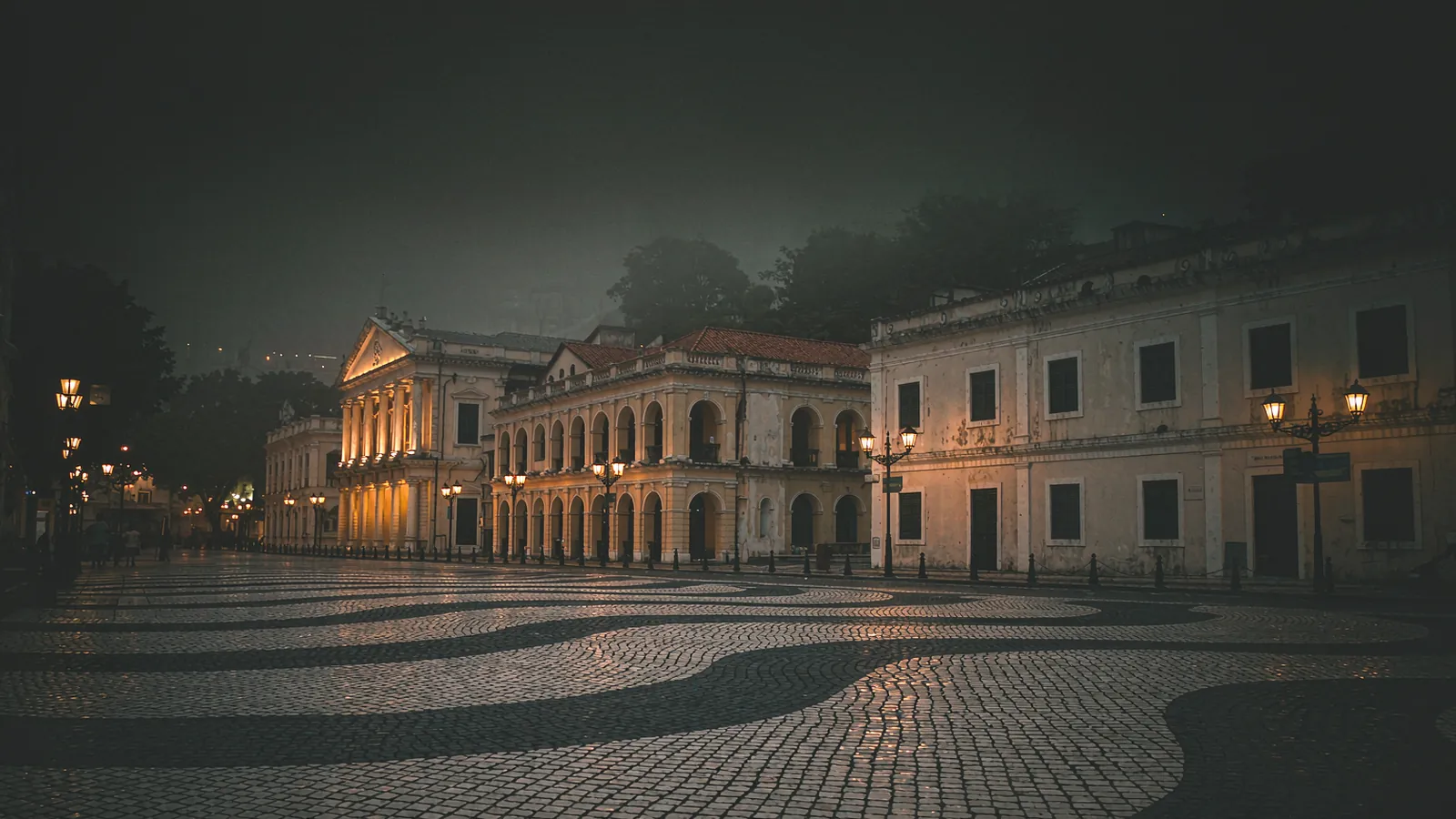
Largo do Senado and Rua da Felicidade. A Portuguese square of rippling cobblestone, ochre buildings, and the Leal Senado with its library. Rua da Felicidade, with its green doors and balconies, was the brothel district a hundred years ago.
Taipa and Coloane. Across the bridges, the former fishing villages: twentieth-century houses, small temples, bakeries. In Coloane the fishing village has become a row of open-air restaurants facing the channel that separates Macau from Zhuhai.
The Monte Fort and the lighthouse. A lift takes you up and gives you the whole peninsula, squeezed between the Pearl River delta and the South China Sea.
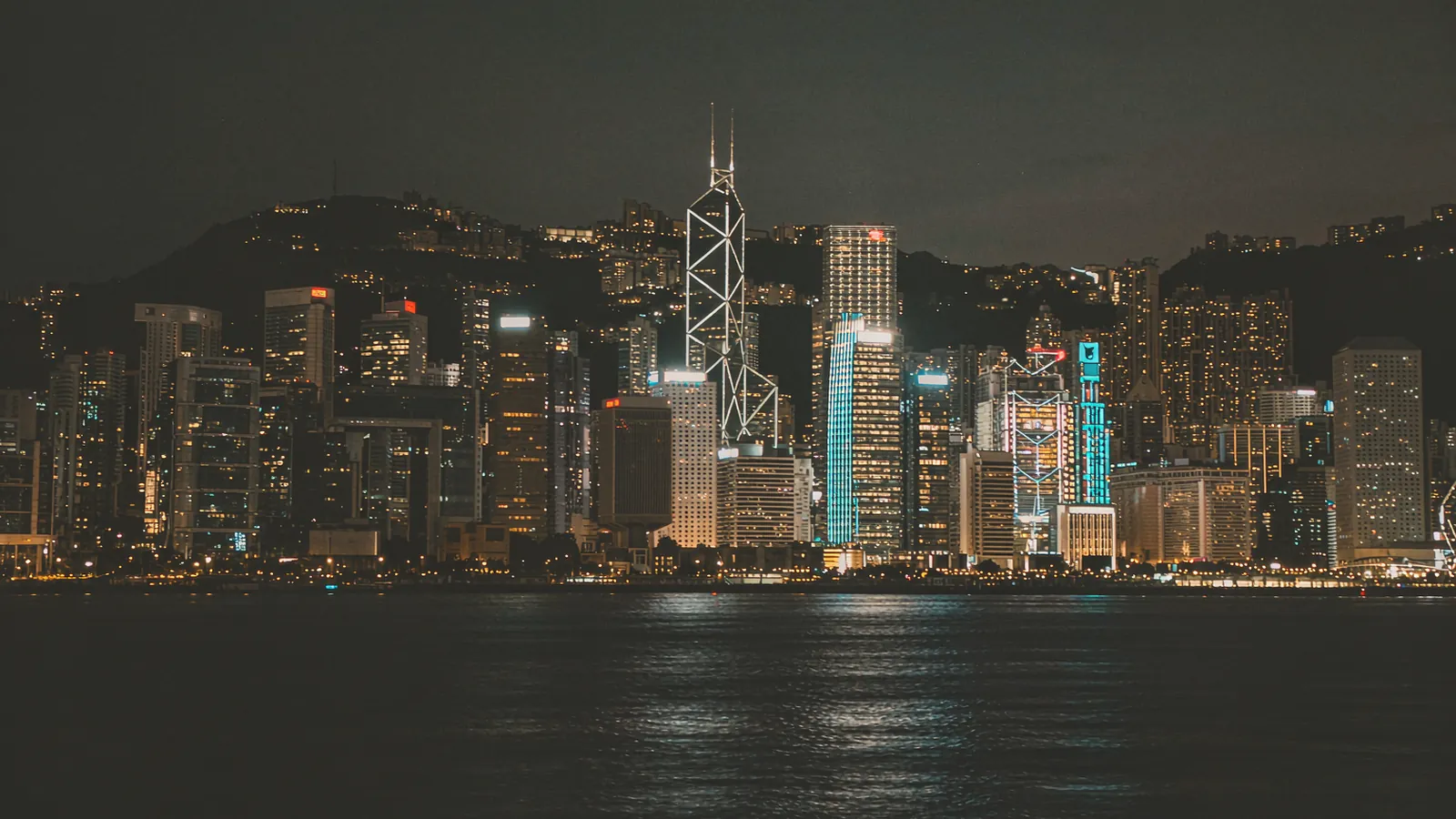
Hong Kong, the island and Kowloon. The Star Ferry between Central and Tsim Sha Tsui is still the best view in the world for the price of a three-dollar ticket: ten minutes of water with Hong Kong island rising on either side. Then the ascent to Victoria Peak on the 1888 funicular. One note: the funicular queue easily passes 45 minutes late in the afternoon; when it is like that, we go up by taxi via Victoria Gap Road and come down on the funicular once the queue has gone.
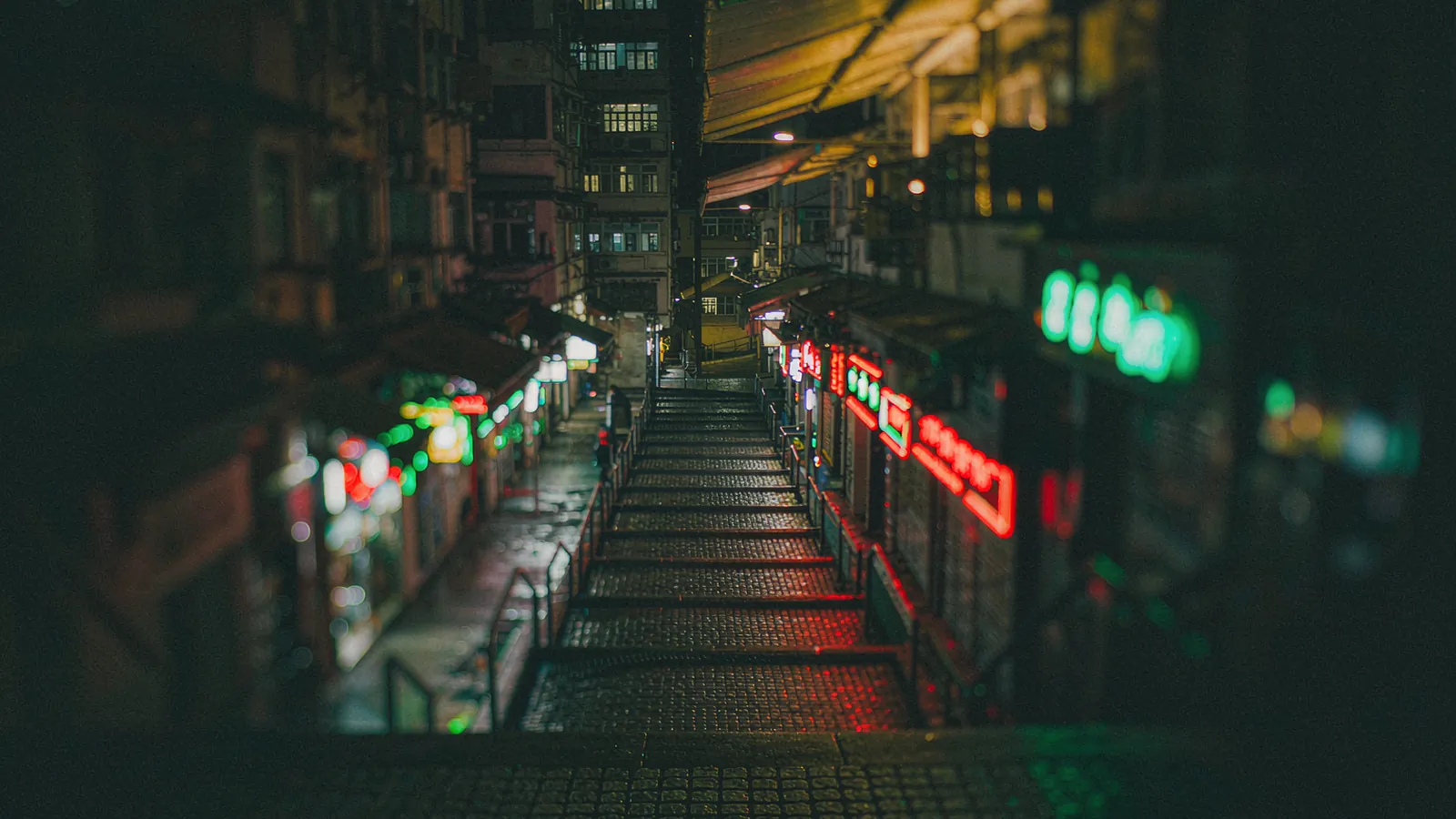
The temples and the markets. Wong Tai Sin temple in Kowloon, the night market on Temple Street, and the street restaurants of Mong Kok, where dim sum is eaten late and the city never stops.
How we run it
In Macau we start at the historic centre at 8:30am and finish at the Macanese restaurants of Taipa in the late afternoon. We keep the casinos off the programme — not because they are not worth a visit, but because they easily take the whole day to win our time back. Anyone who wants them goes to Cotai one evening.
We always book at least one unhurried meal: minchi, bacalhau à minhota or galinha à africana are eaten slowly and ask for conversation. Whenever possible we pair the visit with members of the Macanese community, who tell you what it is like to grow up here with three languages.
Between Macau and Hong Kong we prefer the ferry from the Taipa terminal, and we book hotels near the Central or Jordan metro stations. For the return to mainland China we arrange the transfer over the bridge or by ferry from Zhuhai, depending on flight times.
How long to stay
Two nights in Macau cover the peninsula, Taipa, Coloane and two unhurried Macanese meals. It is the standard fit for anyone arriving through the mainland and continuing to Hong Kong.
Three nights is our programme: two in Macau and one in Hong Kong, or one in Macau and two in Hong Kong, depending on what interests you. It allows Hong Kong without running: the island in the morning, Kowloon in the afternoon, the Peak at the end of the day.
Four to five nights suit anyone wanting to add Shenzhen or Guangzhou on the high-speed line, or anyone coming to eat seriously: for dim sum alone there are a dozen houses that justify getting up early.
Anyone with fewer than two days should choose Macau: it is small, Portuguese is around you, and it gives itself up on foot. Hong Kong in a single day always feels short.
When to go
October to December. 18 to 26 °C, dry, clear skies. The best time: both cities become breathable, and Macau loses the heat that makes its climbs heavy.
March and April. 17 to 25 °C, humid, some haze over the delta. A good time, with low-season rates in the Hong Kong hotels.
May to September. 26 to 34 °C, heavy rain, typhoons. It is when ferries stop because of the sea, which on a short programme can cost a whole day. Only for unavoidable dates.
January and February. 12 to 18 °C, the best walking weather of the year, with Lunar New Year making everything dearer and busier for a few days.
We avoid the first week of October, when both territories receive mainland visitors in huge numbers.
Where to stay
Macau, on the peninsula, near Largo do Senado, so the monuments and churches are within walking distance. It is also where the historic Macanese restaurants are.
Macau, in Taipa, near the ferry terminal and quieter. Our recommendation for two nights, with the historic centre twenty minutes away by taxi.
Hong Kong, in Central or Sheung Wan, on the island: a mix of high-rise offices and streets where fish is still dried outside the door. The best base for anyone staying three nights.
Hong Kong, in Jordan or Tsim Sha Tsui, in Kowloon: better hotels for the same money, close to the street markets and the Star Ferry. Our choice for a first visit. In Macau, booking on Cotai gets you bigger rooms for the same money, but you pay for it in trips across to the peninsula.
What to eat
In Macau, Macanese cooking is unlike anything else: Portugal, China, Malacca and Goa on one plate. Minchi, minced meat with potato, onion and a fried egg on top; galinha à africana, roast chicken with piri-piri; bacalhau at the restaurants of the Portuguese quarter; and pastéis de nata with cinnamon, eaten hot from the bakeries of Taipa.
In Hong Kong the point is dim sum: steamer baskets of prawn dumplings, siu mai, chicken feet in black bean sauce and rice noodle rolls. It is eaten in the morning in large rooms with white tablecloths, sometimes still with trolleys pushed between the tables.
Then there is milk tea from the street tea houses, sugared just right; roast pork hanging in the doorway; and the fish ball and noodle soup shops. None of it costs much: for 150 Hong Kong dollars you eat better here than in most of Europe.
Getting there
Macau has its own international airport, with flights from across Asia, and is connected directly by the Hong Kong–Zhuhai–Macau bridge, 55 km long.
Hong Kong is one of the largest air hubs in the world, with direct flights from Lisbon depending on season and frequent connections through Europe and the Gulf. It is our recommended gateway for this route, with Macau then reached by ferry.
By high-speed rail, Kowloon West station links Hong Kong to Guangzhou in 48 minutes and to Shanghai in 8 hours. It is the fastest way back onto the mainland. We also handle the border logistics here: entering Macau and Hong Kong counts as leaving mainland territory, and coming back starts a new entry — which requires a double-entry visa for anyone travelling on a visa rather than a visa waiver.
Where most agencies get it wrong here
Treating Macau as a one-day bonus. You come over from Hong Kong in the morning, see St Paul’s, have lunch and go back. What gets lost is Taipa, Macanese food, and the part with no price on it: talking to the local community in Portuguese. We book two nights on the peninsula.
Putting casinos on the programme. Nothing against them, but they absorb the entire evening and it is always “one more hour”. They stay off the itinerary; anyone who wants them goes to Cotai on their own.
Going up Victoria Peak at 5pm on a Saturday. A 45-minute to one-hour queue for the funicular. We reverse it: car up, funicular down at nightfall, once the queue has turned.
Ignoring the ferry. The Star Ferry costs three Hong Kong dollars and is the best view of the harbour; some programmes sell expensive cruises over the same water. We use the ferry every day of the programme.
Forgetting that these are borders. Hong Kong and Macau have their own currency, their own sockets, and count as leaving the mainland. We have seen travellers on a single-entry visa stranded on the way back — we always check your documents before selling the tour.
We work Hong Kong and Macau with a private guide and private transfers; in Macau we add, whenever possible, someone from the Macanese community to speak with.
Keep reading
How we organize it
01
We arrive early
We get into the monuments before the tour buses. The Wall at 7am, the Forbidden City at 8:30am.
02
A Portuguese-speaking guide
One guide from the first day to the last, in Portuguese. No handing you over to someone new in each city.
03
We handle the bookings
We take care of the named reservations that need a passport, including the ones that sell out in high season.
Frequently asked questions
Do you need a visa for Hong Kong and Macau?
Portuguese citizens travelling on a Portuguese passport enter Hong Kong visa-free for 90 days and Macau for 30 days, provided the passport is valid for more than six months. Entry into mainland China requires a separate visa. We always confirm against your nationality before booking.
How do you get from Macau to Hong Kong?
Fast ferry, about an hour, or coach across the Hong Kong–Zhuhai–Macau bridge. We prefer the ferry from the Taipa ferry terminal when the bridge is queuing, and the coach when the sea is rough.
How much time should you give Macau?
Two nights cover the peninsula and the islands of Taipa and Coloane. One night only allows the historic centre, and it feels thin — especially for anyone interested in the Portuguese history.
Is Portuguese spoken in Macau?
It is, but less than people imagine. It is an official language alongside Chinese, taught in schools and used in public services and by the Macanese community — around 2% of the population. It is one of the things we arrange: conversations booked with members of the local community.
Is Hong Kong very expensive?
It has the most expensive hotels in China. A street meal costs 40 to 70 Hong Kong dollars and the metro is cheap, but a decent hotel room rarely drops below 1,000 Hong Kong dollars a night. We always book well ahead.
Tours that include Hong Kong and Macau
Talk to the people who run it
Want Hong Kong and Macau in 3 nights, or a different way round?
Tell us how many you are, when you want to go, and what cannot be left out. We shape the itinerary from there.
Chat on WhatsAppReplies in English · no obligation