Best time to visit · Chengdu
best time to visit Chengdu
Month by month: the Sichuan basin and its cotton-wool sky, the sticky heat of August, the spring of flowers and the autumn weeks when the pandas move outdoors again.
At a glance
- Best time to visit
- Mar–Jun · Sep–Nov
- Suggested nights
- 2 to 3 nights
- Region
- Sudoeste
- Booking required
- Chengdu Research Base of Giant Panda Breeding
The best time to visit Chengdu is decided between two short seasons and one question about the sky. The city sits at the bottom of the Sichuan basin, ringed by mountains that close the humidity inside: the result is a humid climate with a white, low sky for much of the year, mild winters and sticky summers. There is a local saying that the region’s dogs bark at the sun because it appears so rarely. None of this prevents a visit — Chengdu is lived from the inside, in teahouses, markets and restaurants — but the choice of month changes the comfort and, above all, changes the mood of the pandas. This page answers “when to go to Chengdu” and complements the Chengdu page.
Chengdu’s climate, month by month
Winter, December to February. Mild on the thermometer and unpleasant in everything else: high humidity, constant white sky, short days and a sensation of cold that comes from the damp rather than from the cold itself. It does not snow in the city and it rarely freezes. What you gain is obvious: museums, teahouses and temples empty, and low prices.
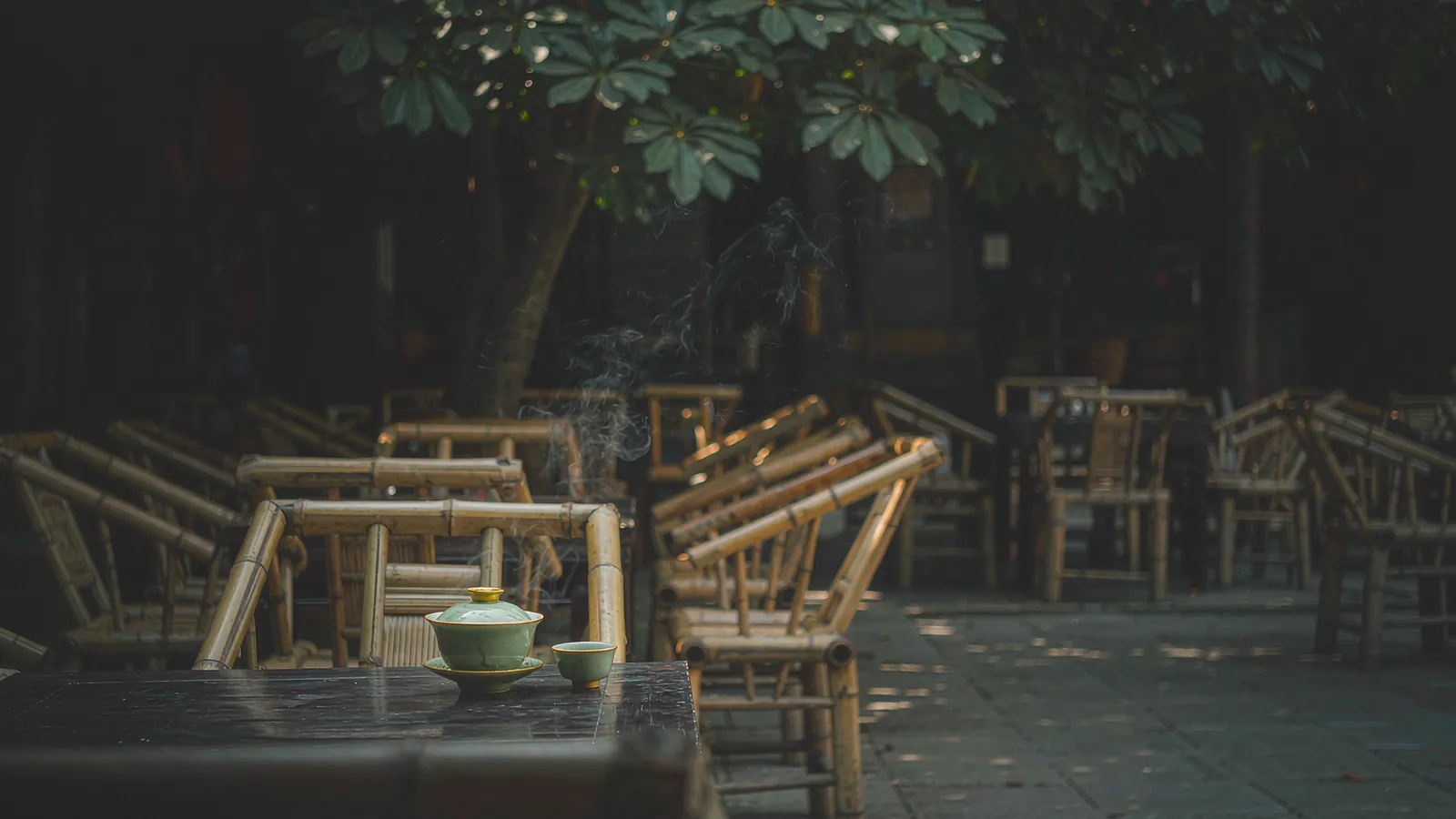
Spring, March to May. The best season. Temperatures climb quickly, the parks and the orchards on the outskirts fill with flowers and the city becomes pleasant to walk all day. March still asks for a coat in the morning; April and May are the months when Chengdu looks like the image people have of it: awnings, tables on the street, tea in the jug and conversation. It is also a good time for the pandas, which still have cool mornings.
Summer, June to August. The rainy season occupies June and runs into July, with very high humidity and afternoons of sticky heat that do not lift at night. The rain here is not short, clean thunderstorms: it is consecutive days of heavy air and white sky. The city keeps working and the spicy food keeps making sense — sweating is part of the treatment — but this is the moment when it makes most sense to use Chengdu as a base for the cool mountains nearby, where the difference in altitude gives the air back.
Autumn, September to November. The second good window and, for many people, the best. September and October bring drier air and a higher frequency of clear days, with low sun on the rooftops and the trees turning yellow. November cools and closes in again, but keeps the streets pleasant. It is also the time when the pandas recover their activity in the outdoor enclosures.
The best moment for each experience
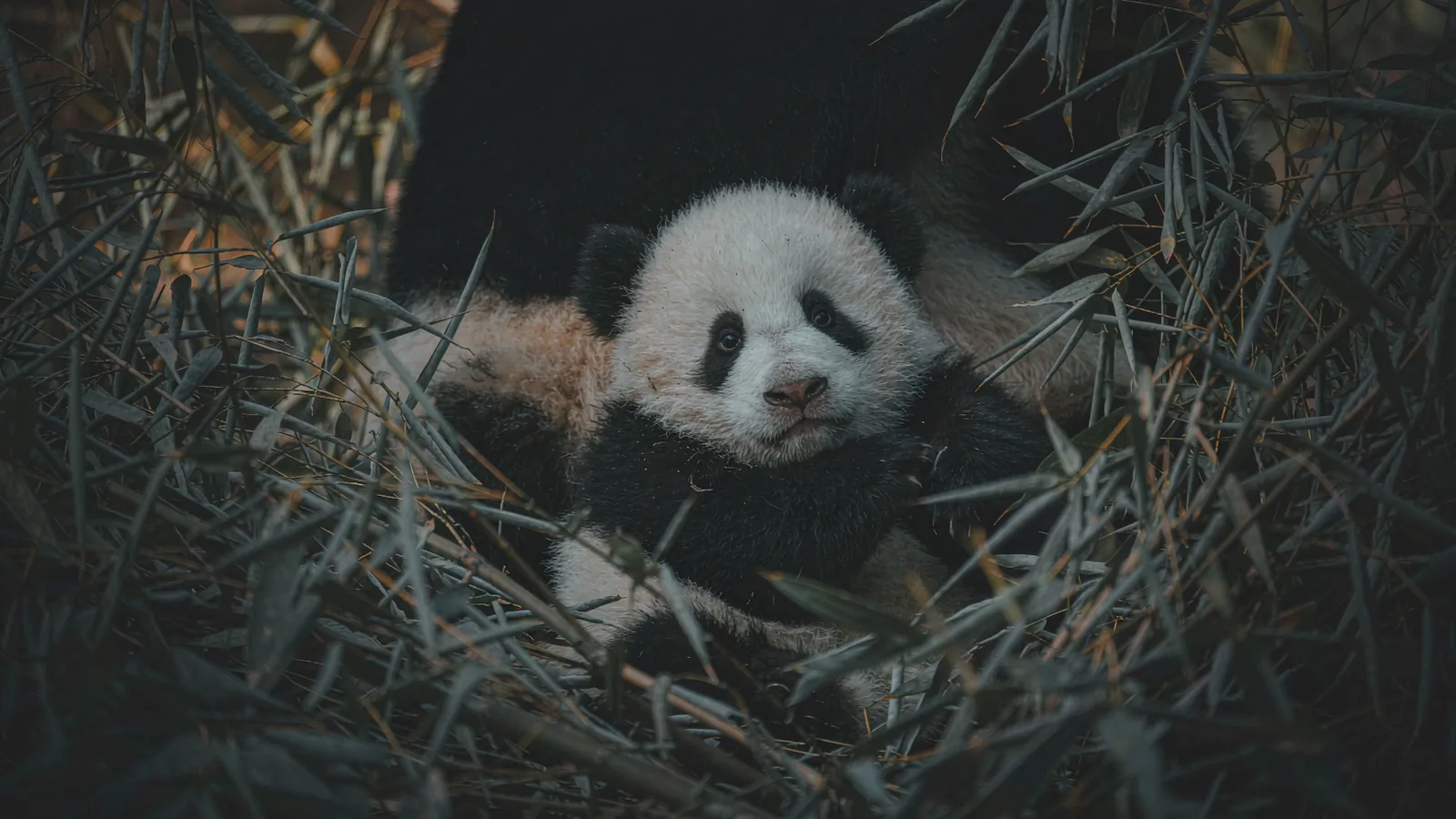
The giant panda base is done early in the morning in any month, but the month changes the result: in spring and autumn, the 08:00 bamboo distribution finds the animals eating; in summer, with heat, they are less active and withdraw to the indoor areas. The teahouses are the answer to any season, and particularly to rainy and hot days: it is a seated activity, in the shade, that does not depend on the weather. The shopping streets and the markets gain from dry weather and work well in April, May, October and November. The mountains of the region, from Emeishan westwards, are the summer escape and the reason this city is not crossed off the calendar in July.
Holidays and peak periods
Chengdu is a weekend destination for the Chinese themselves, which means the panda base fills on Saturdays and Sundays in any season; the early morning visit remains the answer. The national holiday week from 1 October adds itself to the fact that October is one of the best months: the result is the combination of best weather with worst crowds. The way out is to enter the base at opening and spend the rest of the day in teahouses and neighbourhoods. Lunar New Year, between late January and mid-February, temporarily empties part of the neighbourhood retail.
When not to go to Chengdu
With free dates, avoid the national holiday week and the July and August weekends. June and July are the least recommendable months for anyone who wants to do everything on foot, because of the rain and the humidity. December and January we do not advise against for anyone, but they require accepting the white sky: anyone coming in the hope of blue-sky photographs will leave disappointed. Summer, by contrast, is not a season to avoid if the plan includes mountains.
What to pack, season by season
In spring and autumn, light layered clothing, a thin coat and comfortable shoes for wet paving; fine rain appears in any month. In summer, cool clothing, sandals and a very light windbreaker; the heat of the basin is humid and cotton dries slowly, so count on two changes of clothes a day. In winter, a waterproof coat and layers, because the cold comes from the humidity. In any season, a hat and sunscreen for the days when the sun does appear — and the will to make the most of them. For seeing the pandas, the only indispensable thing is arriving at opening, whatever the weather.
How the season changes the daily plan
In spring and autumn the whole day is available: the panda base at 08:00, the market and the lanes mid-morning, a long lunch, the temple in the afternoon and the teahouses in the late afternoon, when the light goes low. In winter the shortening days and the white sky pull the plan indoors: fewer hours outdoors, more teahouses, more covered markets and more museums, with walks done by day to make use of the few hours of light. In summer the order inverts out of necessity: the panda base at opening, the central hours in the shade with tea and food, and the street again after sunset, when the city fills once more and the air eases a little. In any month, the city is not visited in a hurry: Chengdu is a seated city, and that is an advantage in every season.
The humidity and the food
Sichuan cooking was not made for this climate by accident. The humidity of the basin explains much of what is eaten in the region: the heat and the numbing effect of Sichuan pepper make you sweat, and sweating is the local answer to the sticky heat of summer. That is why summer, despite being uncomfortable, is a legitimate season to eat in Chengdu, and winter too, with the stews and soup pots making sense. What changes with the season is the type of meal: in the heat you eat more street skewers, more cold dishes and more steamed bread sandwiches; in the cold, hotpot and soup. And in any month, a teahouse with a jug and a wicker chair is the place where you wait for the day to improve, without hurry.
The calendar in four lines
The best moment is April and May, and then September and October: mild temperatures, flowers in spring, drier air in autumn and pandas active in the morning. The second choice is March and November, transition months with fewer good hours but with calm streets. The weeks that ask for thought are those from June to August, with rain, humidity and sticky heat, and those from December to February, with white sky and damp cold. The dates to avoid are the national holiday week, above all at the panda base.
Fitting the right season into a trip
Chengdu is the city that combines best with spring and autumn, and one of the few where a date decided in January still pays off in November. On the Panda Route it is the centre of the itinerary, and April or October give the best encounters with the animals. On Gastronomic China the city opens the chapter on Sichuan cooking, which in autumn has the street fair and the markets at their best. For the full destination listing, go back to the Chengdu page.
Frequently asked questions
What is the best time to visit Chengdu?
Spring, from March to May, and autumn, from September to November. In spring the basin fills with flowers and temperatures allow hours spent in the teahouses; in autumn the air turns drier, sunny days appear and the pandas move about in the outdoor enclosures again. June already falls in the rainy season and December in the season of grey days.
Does Chengdu get sun?
Little, and that is why clear days are cause for celebration. The city sits at the bottom of the Sichuan basin, ringed by mountains that hold the humidity in: the sky is white, low and constant for much of the year, and there is a local saying about the region's dogs barking at the sun because it is so rare. Expect milky sky on most days and treat each clear morning as a bonus.
When is the best time to see the giant pandas?
On the cool mornings of spring and autumn. Pandas are less active in heat and retreat to the indoor enclosures during the hot hours of summer. In April, May, October and November, the 08:00 bamboo distribution catches the animals eating, which is the moment that matters. In any season the visit is done early in the morning: after 10:30 most of them are asleep.
Is it worth going to Chengdu in July and August?
For the city itself, it is one of the worst times: sticky heat, high humidity and heavy afternoons, in a climate that does not cool off at night. The region compensates in another way, because it is the season for going up into the cool mountains nearby. Anyone coming in these months should do visits in the morning and use the afternoons for teahouses, shade and spicy food.
Is Chengdu's winter cold?
Temperatures are mild, but the damp cold of the basin and the absence of sun make it more uncomfortable than the thermometer suggests. There is no snow in the city and it rarely freezes. It is an acceptable season to visit, with the museums and teahouses empty, and the advantage of cheaper flights and hotels; bring a waterproof coat and make peace with the white sky.