Things to do · Chengdu
what to do in Chengdu in 3 days
Pandas to the north, teahouses in the centre, lanes to the south and Leshan at the end: the city's zones and how long each one needs.
At a glance
- Best time to visit
- Mar–Jun · Sep–Nov
- Suggested nights
- 2 to 3 nights
- Region
- Sudoeste
- Booking required
- Chengdu Research Base of Giant Panda Breeding
What to do in Chengdu in 3 days has one condition that orders everything else: the pandas eat bamboo in the morning and sleep the whole afternoon. That puts the base to the north in the first half of the day and frees the afternoons for the city. This page is the practical version of our Chengdu page: it splits the destination by zone, says what to do in each, how long it takes and what hours it pays to be there.
The zones of Chengdu and what to do in each
The north, with the panda base. It sits outside the urban ring and opens at 07:30. We go in at that hour, with the car at the gate, and cover the adult panda enclosures first — that is when they eat bamboo sitting down, in silence, three metres away. The panda cub nursery is visited after 09:30, when the keepers bring them out of the maternity rooms. There are electric buggies between enclosures to save legs. Allow two to three hours, and the visit is lost if you arrive after 10:30.
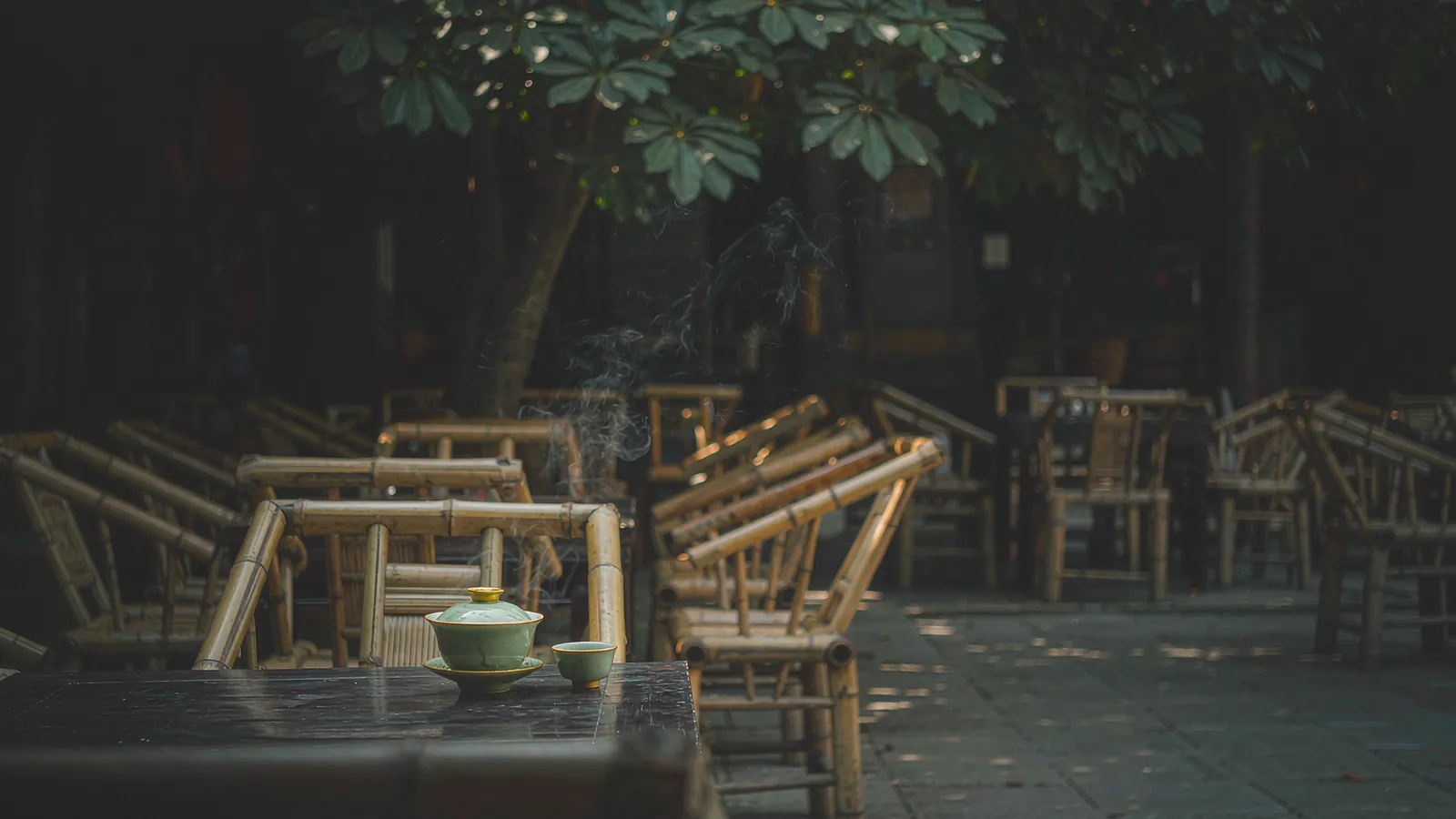
The centre, with the People’s Park and the teahouses. Bamboo, wicker chairs, tea by the cup, no hurry. The Heming Teahouse is the best known and is still used by locals; around it, the park has the matchmakers’ corner, where parents with their children’s résumés hung on card negotiate meetings, as they have for thirty years. You are served a jug with boiling water and refill it as many times as you want. It is the most accurate portrait of the city and it costs very little. One hour is enough, two hours is better — nobody gets up before two in the afternoon.
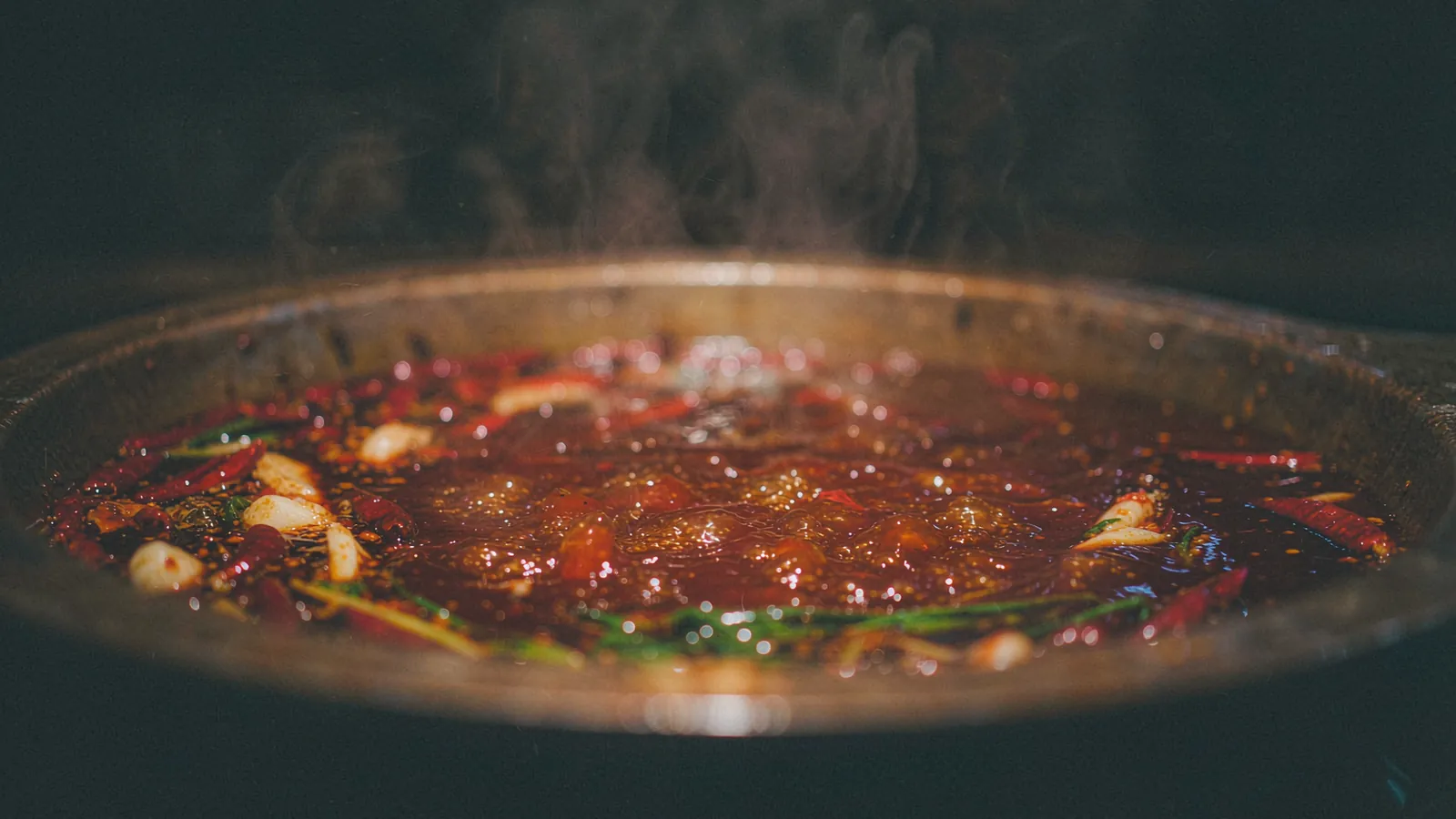
The shopping centre, between Chunxi Road and Taikoo Li. The retail complex built around Daci Temple, with the seventh-century courtyard pressed against glass and steel, is the most pleasant place in Chengdu to linger, eat and see the modern city. Next to it, Tianfu Square and Chunxi Road are pure retail. This is where you walk back from dinner, which with hotpot and beer has its value.
The south and west, with the lanes and the temples. The Wide and Narrow Lanes, Kuanzhai Xiangzi, are rebuilt courtyards of the old city with cafés, bookshops and restaurants, and are worth it above all in the morning, before the crowd. The Wuhou Temple, of the Three Kingdoms, has gardens and sits against Jinli street: a tourist reconstruction, yes, but with the lanterns lit at dusk and snack stalls it makes a good late afternoon. Twenty to forty minutes is enough for each.
Outside the city, to the south and to the north. Leshan, with the Giant Buddha, and Guanghan, with the Sanxingdui museum. These are handled separately, below.
How to split the day
In the morning. The pandas, always. It is the only time of day that justifies the twenty minutes of road from the centre and the only reason we recommend sleeping close by.
In the afternoon. The city: a teahouse, the lanes, a temple or the Chengdu Museum. On hot days the city is best swallowed slowly and in the shade, which is what the locals do anyway.
Late afternoon and evening. Jinli with the lanterns lit, a hotpot or a Sichuan cooking class, and Taikoo Li for the last drink. Chengdu eats early: neighbourhood kitchens start closing around 21:30, even with the dining room still open.
What lies outside the city
The Leshan Giant Buddha. About two hours by road to the south, 71 metres high, carved into the cliff 1,200 years ago. We recommend it by boat on the river rather than on foot: the climb up the side stairs can take two hours of queueing at weekends, and from the boat you see it whole, which never happens from above. It takes most of a day between going, crossing and returning.
The Sanxingdui museum, in Guanghan. 40 km away, around twenty minutes by high-speed train. It is the most important archaeological discovery of the Chinese twentieth century: bronze masks 3,000 years old and a four-metre bronze tree, from a civilisation that left no written records. Half a day, entirely indoors, and worth the trip.
Emeishan. One of the four sacred mountains of Buddhism, around two hours away. For anyone who wants more wildlife and less city: a night at the foot, the climb early in the morning before the coach groups, monkeys and water under the temples. It asks for an extra night.
How long to give each place
- Panda base — two to three hours, in the morning, at opening.
- Teahouse in the People’s Park — one to two hours, mid-afternoon.
- Wide and Narrow Lanes — one hour, preferably in the morning.
- Wuhou Temple and Jinli street — an hour and a half, late afternoon.
- Taikoo Li and Daci Temple — an hour passing through, or an evening of dinner.
- Sanxingdui museum — half a day, including transfers.
- Leshan Giant Buddha — a full day.
- Emeishan — a day and an extra night.
How to move between zones
Inside the city the metro reaches the lanes, Taikoo Li and Tianfu Square without difficulty, and taxis are cheap for short distances. For the panda base the car makes a difference: leaving the hotel at 07:00 on public transport is possible but unpredictable, and the base does not wait for you to open. For Guanghan the high-speed train always wins; for Leshan, the road with a local driver is what allows the boat to be fitted in at the right hour.
What order to follow
First day: pandas in the morning, lanes and centre in the afternoon, hotpot at night. Second day: Leshan by boat, back in time for dinner. Third day: Sanxingdui in the morning, teahouse in the afternoon, cooking class or farewell dinner at night. Anyone swapping Leshan for Emeishan should put it on the second day and sleep at the foot of the mountain.
If you have less time, if it rains, or if you have children
With two days. Pandas in the morning, the city in the afternoon, and a full day for either Leshan or Sanxingdui — you choose one.
With rain. Sanxingdui, which is entirely indoors, the Chengdu Museum and a teahouse. The pandas still come out in light rain, but they keep more to shelter and the visit shortens.
With children. The panda base is the best place in China for children, and the cub nursery is the high point. Instead of the hotpot dinner we swap in a Sichuan cooking class, where everyone makes their own wok dish and then eats it.
Mistakes that cost half a day
- Arriving at the panda base after 10:00. This is mistake number one and there is no remedy: the pandas are asleep belly up and the visit turns into a row of turned backs.
- Climbing the Leshan Buddha on foot at the weekend. The queue on the side stairs can take two hours. From the boat you see it whole, without waiting and better.
- Ordering hotpot without spreading the dishes. Four spicy plates and nobody eats anything. We always choose one signature spicy dish, one mild, a vegetable and rice.
- Sleeping outside the central ring to save on the hotel. Chengdu has grown a great deal and the distance does not look large on a map; afterwards it is forty minutes in each direction.
- Going to Sanxingdui without confirming the return time. The museum is in another city and the trains run at intervals; we always check both before leaving.
How we organise this on the ground
We leave the hotel in time to be at the gate of the base at opening, with the car waiting and the ticket already handled. For the city, the car stays available but is used little: the centre is done on foot and that is how it should be done. For dinners we book small rooms in local restaurants and choose the menu with the owner in front of us, which avoids the classic foreigner’s mistake of ordering four spicy dishes. When there are children, we swap the hotpot for a Sichuan cooking class, where everyone makes their own wok dish and then eats it. And for Guanghan and Leshan, the train and boat tickets are handled in advance, which is what lets you arrive and walk in instead of arriving and waiting.
How this fits into a trip
Chengdu is the city that slows the trip down and the one that stays in the memory of anyone who repeats China. On our Panda Route it is the centre of the itinerary, with the pandas and Leshan fitted in; on the food tours it comes in through Sichuan cooking, with a wok class and dinners chosen at the table. For the full destination listing — where to stay, what to eat — go back to the Chengdu page.
Frequently asked questions
How many days do you need for what there is to do in Chengdu?
Two nights cover the pandas, one teahouse, the centre and a decent dinner. Three nights allow room for the Leshan Giant Buddha by boat, which takes most of a day, or for the Sanxingdui museum, twenty minutes away by fast train. That is what we recommend.
What time should you go to the panda base?
Between 07:30 and 10:00, which is when they are eating bamboo, because that is when food is distributed. After that they sleep belly up and the visit loses almost all interest. We leave the hotel in time to be at the gate at opening.
Are the teahouses for tourists?
The ones in the People's Park are not. That is where locals spend the afternoon playing cards and talking, with a pot on the table for two hours, for a sum that does not reach the price of a beer. You pay by the cup and refill the jug with boiling water as often as you like.
What is there to do in Chengdu on a rainy day?
The Sanxingdui museum in Guanghan, which is entirely indoors and worth the train ride; the Chengdu Museum; and a teahouse, which is where you hear the rain without it bothering you. The pandas still come out in light rain, but they keep more to shelter.
Is it worth sleeping in Chengdu or in Leshan?
In Chengdu. Leshan is a full-day destination done from the capital, and changing hotel to save an hour of road costs two nights of logistics. We only propose sleeping out when the group wants to go on to Emeishan straight afterwards.