Best time to visit · Shanghai
best time to visit Shanghai
Month by month: the June plum rain, the late-summer typhoons, the damp cold of January and the autumn weeks when the Bund reads clear from across the river.
At a glance
- Best time to visit
- Mar–May · Oct–Dec
- Suggested nights
- 2 to 3 nights
- Region
- Leste
- Booking required
- Shanghai Tower (observation deck) · Shanghai Museum
The best time to visit Shanghai is autumn, and the reason is meteorological before it is touristic. The city sits on the Yangtze delta, in a humid subtropical climate with four distinct seasons, all of them marked by water: the fine rain of June, the sticky heat of July, the typhoons of August and the damp cold of January. Between those extremes there are two excellent windows, one in October and November and another in April and May, and it is in those that the city looks like what it promises. This page answers “when to go to Shanghai” and complements the Shanghai page, where what to do, where to sleep and how to get around live.
Shanghai’s climate, month by month
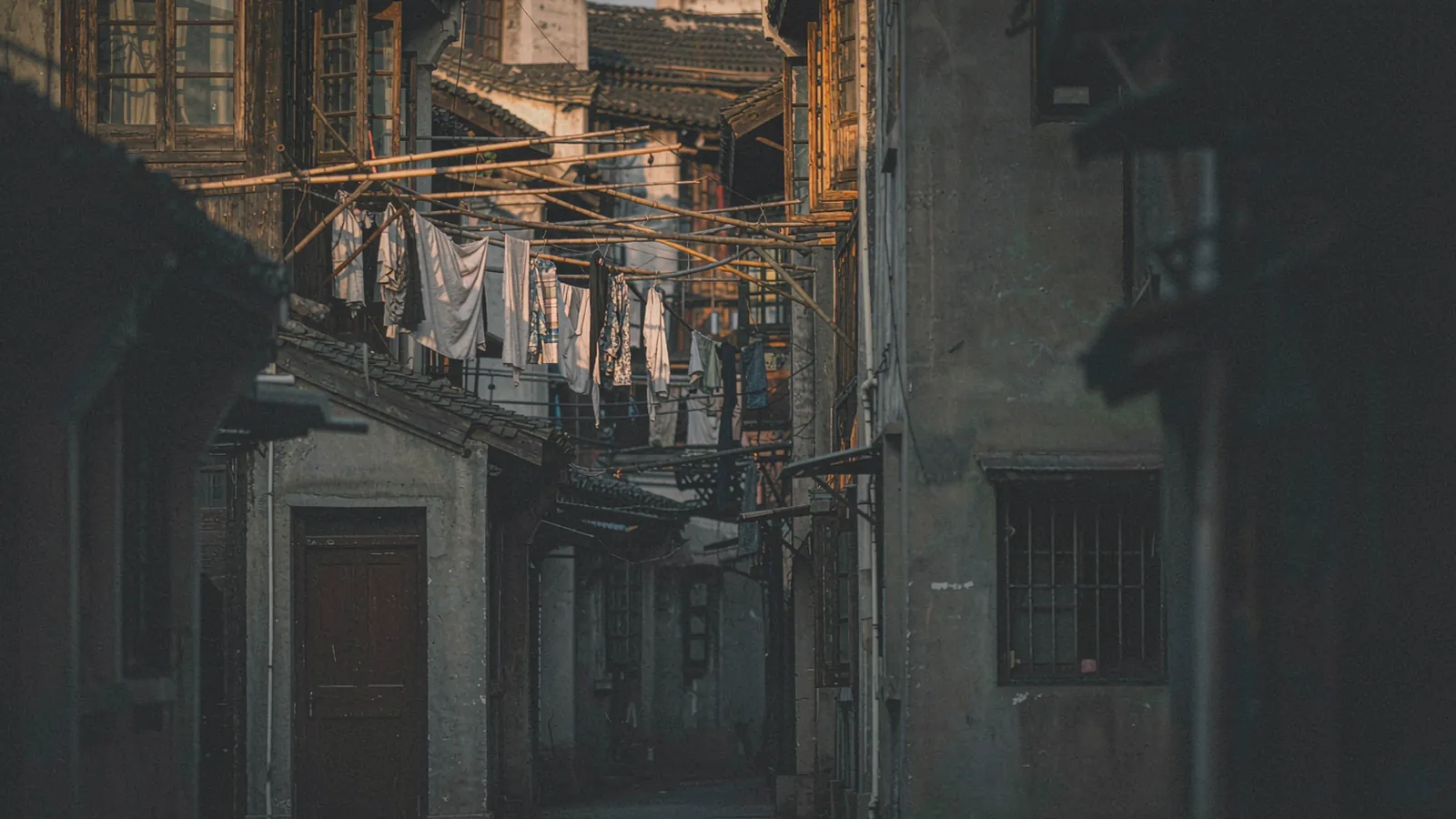
Winter, December to February. Temperatures are not extreme, but the humidity of the delta stays high and the cold gets in. Many buildings have no central heating, which means that indoors you feel the same damp cold as on the street; hotels solve that, apartments do not always. There are clear, cold days, especially in December, with blue sky and low light over the river, and there are grey weeks of fine rain. The city keeps running perfectly, the museums are empty and prices are the lowest of the year.
Spring, March to May. The prettiest season and the least reliable. March is still cold and windy; April and May bring mild temperatures, the plane trees of the old concessions bursting into leaf and the streets washed clean. This is the season for walking for hours at a stretch with pleasure. The trade-off is rain: Shanghai’s spring alternates days of clean sun with days of downpour, and the switch happens without warning. Anyone coming at this time always carries an indoor plan for the afternoon.
Summer, June to August. It splits in two. In June and the first half of July comes the plum rain, the early-summer rainy season: consecutive days of persistent fine rain, very high humidity, clothes that will not dry and a milky sky that drains contrast from skyline photographs. It is not rain that forces anything to close; it is rain that wears you down. After it comes the sticky heat of July and August, with heavy afternoons and quick late-afternoon thunderstorms. It is also the typhoon season.
Autumn, September to November. The best window of the year, and the reason we recommend it without hesitation. September can still catch the tail of a typhoon, but from the second half of the month it stabilises: drier air, clear sky, long days and soft late-afternoon light over the Huangpu. October and November are the ideal months, with the Bund facades lighting up earlier and earlier and the promenade pleasant in the late afternoon. December extends the window with more cold and less light.
The best moment for each experience
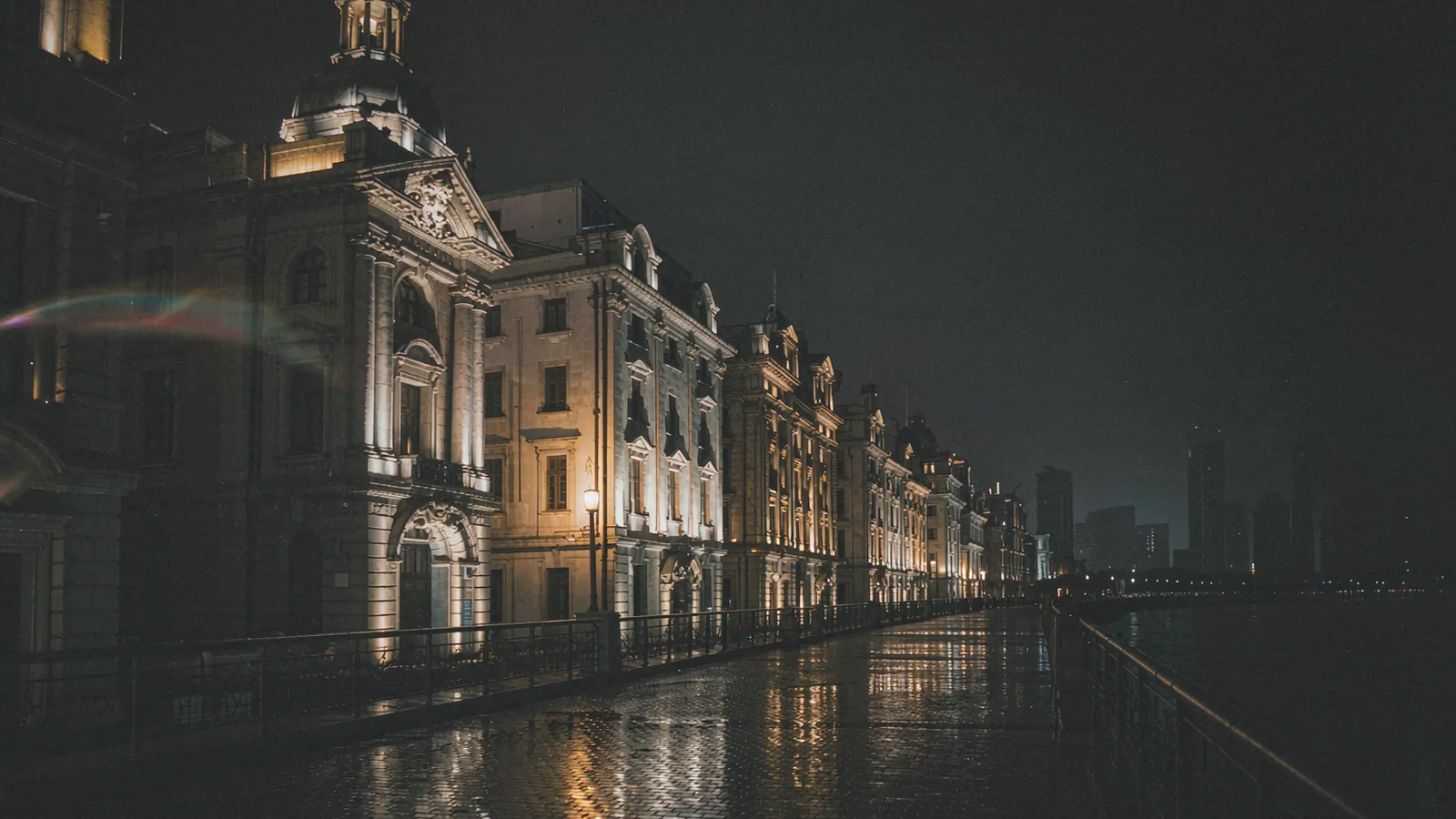
The Bund promenade at dusk gains from clean air and from light from 18:30 onwards: in October and November that happens at 18:00, in July only after 19:30. The observation decks of the Pudong towers are worth it for the visibility, and it is the dry months that guarantee it. The Yuyuan garden and the lanes of the old concessions are walking visits and work well in spring and autumn; in June, with the plum rain, the garden floor turns slippery and the visit loses half its charm. The street life of the city, from teahouses to night markets, gains from heat and is best from May to September, even with humidity. River cruises and ferries are suspended on strong wind warnings, which in August and September is a concrete possibility.
Holidays and peak periods
Shanghai takes business travel almost all year, which means hotels are rarely cheap for lack of domestic demand; price variation comes mostly from the season. The national holiday week from 1 October fills the observation decks, the Bund and the gardens, and is best avoided. July and August bring the school holidays and the groups. The most curious case is Lunar New Year: unlike Beijing, Shanghai empties out on those days, because much of the population returns to their home town; the streets go quiet, but part of the neighbourhood restaurants and small shops close.
When not to go to Shanghai
The two weeks to avoid entirely are those of the October national holiday, which coincide with the best month of the year and therefore require booking well ahead. Then come June and the first half of July, for the plum rain, and August and September, for the combination of heat, humidity and typhoon risk. For anyone travelling with children or with little tolerance for humidity, July and August are the hardest months in the city. Winter we do not advise against: it asks for a coat and acceptance of a grey sky, and gives back empty museums and calm streets.
What to pack, season by season
In winter, a windproof coat and layers, because buildings may have no heating; hat and gloves for windy days by the river. In spring, light layers, a thin coat and, above all, a folding umbrella: it will be used. In summer, light, cool clothing, sandals that can take water and patience for the humidity; on plum rain days, closed shoes. In autumn, layers and a medium coat for evenings on the promenade. In any month, sunscreen in summer and lip balm in winter, because the delta air is humid but air-conditioned interiors are very dry.
What happens when a typhoon warning is issued
The warning is not a formality. In Shanghai, when the observatory issues a strong wind warning, the ferries and the Huangpu river cruises stop operating, the parks and the tower observation decks close, construction sites shut down and flights pile up delays and cancellations for a day or two. The city does not stop entirely — the museums, galleries and teahouses stay open — but everything that depends on being outdoors or on catching a plane is compromised. For that reason, anyone booking between July and September should do three things: not schedule a connecting flight on the same day as an international one, have an indoor plan for every afternoon, and check the forecast the day before. Outside that window, the only rain risk left is the plum rain, which closes nothing.
How the season changes the daily plan
In winter, with light ending early, the day starts at 09:00 and runs on museums, gardens and lanes, with the Bund promenade kept for the hour when the facades light up. In spring, the day is the longest and the most unstable: an afternoon indoors is always planned, and the Yuyuan garden is saved for dawn. In summer, the visit splits into two short halves, early morning and late afternoon, with the central hours spent in air-conditioned museums. In autumn, the best season, the whole day is available: start in the morning at the garden, do the market and the museum in the middle of the day, and be on the promenade in the late afternoon, which is when Shanghai looks most like itself.
The calendar in four lines
The best moment is October and November: dry air, clear sky, early light and no typhoon risk. The second choice is April and May, with mild temperatures and the city in leaf, at the cost of frequent rain. The weeks that ask for thought are those of June and early July, with the plum rain, and those of January and February, with damp cold and short days. The dates to avoid are the October national holiday week and August and September, for the typhoon risk on top of the heat.
Fitting the right season into a trip
Shanghai closes almost all our routes through the east and is the city that gains most from an autumn date. On the Essential Tours it comes at the end of the trip, and October is the month when the skyline and the gardens show themselves. On From the Tagus to the Delta it is precisely the destination in the title, and spring and autumn are the two seasons in which the parallel makes sense. For the full destination listing, go back to the Shanghai page.
Frequently asked questions
What is the best time to visit Shanghai?
October and November. The summer heat and humidity are over, the plum rain has passed, the typhoon risk has gone and the autumn sky gives clear days with low light over the Huangpu. It is also when the Bund facades light up earlier and you can stand on the promenade without heat or a queue. December is still acceptable; January and February already ask for a coat.
What is the plum rain and when does it happen?
It is the early-summer rainy season, which in Shanghai occupies mainly June and the first half of July. These are not quick thunderstorms: it is fine, persistent rain for days on end, with high humidity, clothes that will not dry and wet streets. Nothing closes because of it, but skyline photographs come out milky and long walks lose their appeal.
Are typhoons a real problem for travellers?
Between July and September, yes. When a warning is issued, the ferries and river cruises stop, the parks and observation decks close, and flights suffer delays and cancellations. There is not a typhoon every week, and most pass by; but anyone booking August should count on the possibility and plan nothing that depends on a connecting flight on the same day.
Is Shanghai cold in winter?
The city does not get northern China's temperatures, but the winter is damp and gets into your bones: humidity in the Yangtze delta stays high and many buildings have no central heating. In January and February the streets have a cold wind and grey days follow one after another. It is still worth coming, with the right clothing, because it is the season with the fewest tourists and the cheapest hotels.
Is it worth going to Shanghai in spring?
It is, with caveats. March, April and May have mild temperatures and the plane trees of the old concessions leaf out again, which changes the colour of the streets. The trade-off is rain: the city's spring is wet and alternates clear days with downpours. It is worth having an indoor plan for every day.