Things to do · Shanghai
what to do in Shanghai in 2 days
From the Bund to the concessions and Pudong: the city's zones, how long each one needs and the hours when it pays to be there.
At a glance
- Best time to visit
- Mar–May · Oct–Dec
- Suggested nights
- 2 to 3 nights
- Region
- Leste
- Booking required
- Shanghai Tower (observation deck) · Shanghai Museum
What to do in Shanghai in 2 days comes down to two cities occupying the same spot: the one of stone buildings on the Bund and the one of glass towers in Pudong, separated by a river and fifteen minutes on foot. The city divides more cleanly than it looks, and knowing the zones is what stops you crossing the river three times a day. This page is the practical version of our Shanghai page: it says what to do in each zone, how long it takes and what hours it pays to be there.
The zones of Shanghai and what to do in each
The Bund and the Huangpu river. A kilometre and a half of waterfront and more than two dozen historic buildings, lit every night. The best view of the Pudong skyline is taken from here, not from inside a tower. Two short visits are worth more than one long one: one early in the morning, when the promenade belongs to the people who live there and practise tai chi, another after 19:00 with the facades lit. The lights usually go off around 22:00 in summer. Half an hour on each pass is enough, but it is a half hour you remember.
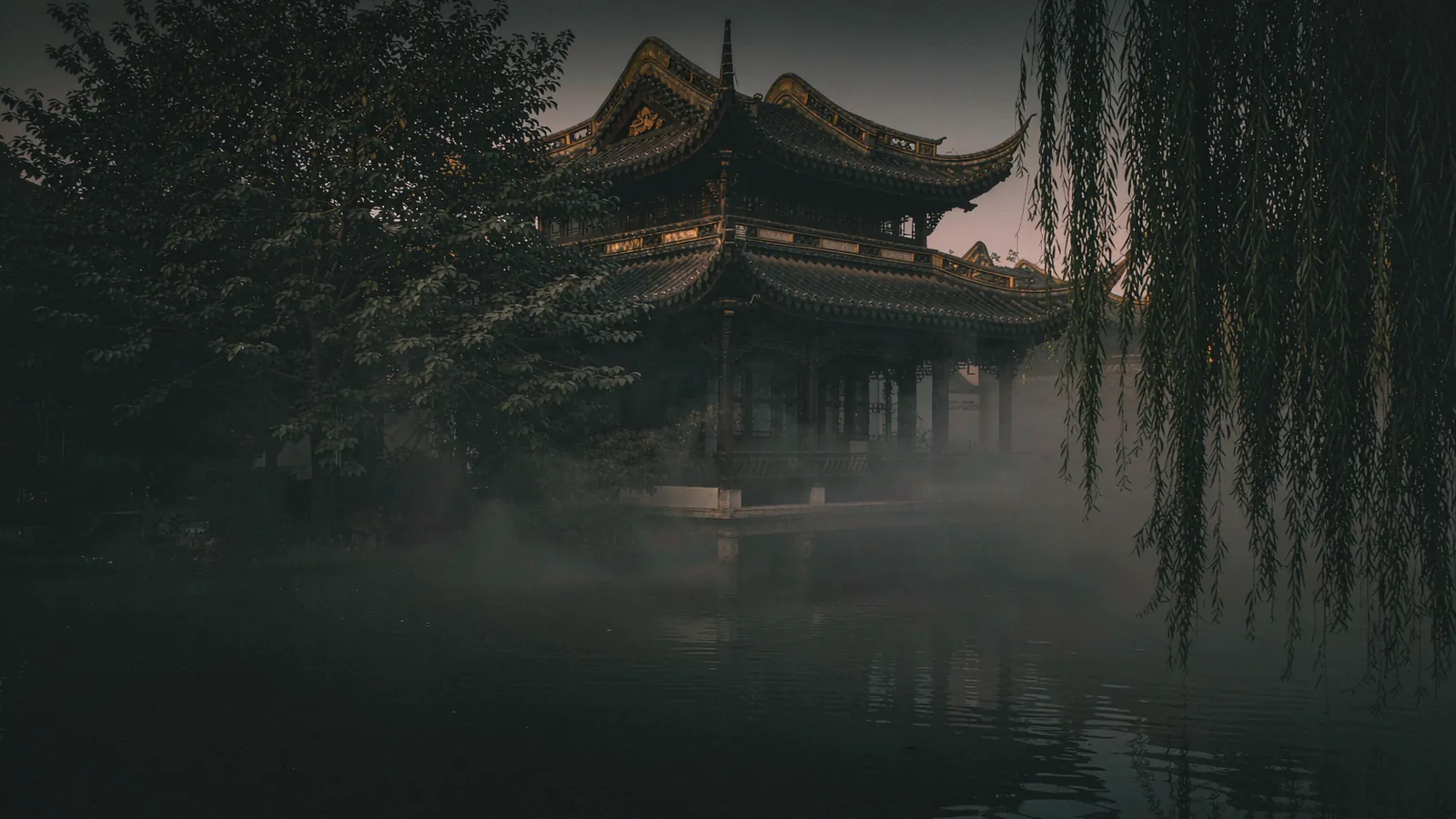
The old city and the Yuyuan garden. Four hundred years away from the Bund in everything except metres. The garden has carp ponds, tea pavilions over the water and an artificial rockery from the sixteenth century. It opens early — being at the gate twenty minutes before makes all the difference, because it is two hectares and after 10:00 you enter in single file. The bazaar around it is a trap of shops and you walk through without stopping, with one exception: the neighbourhood market just to the north, where xiaolongbao are eaten standing up, at breakfast.
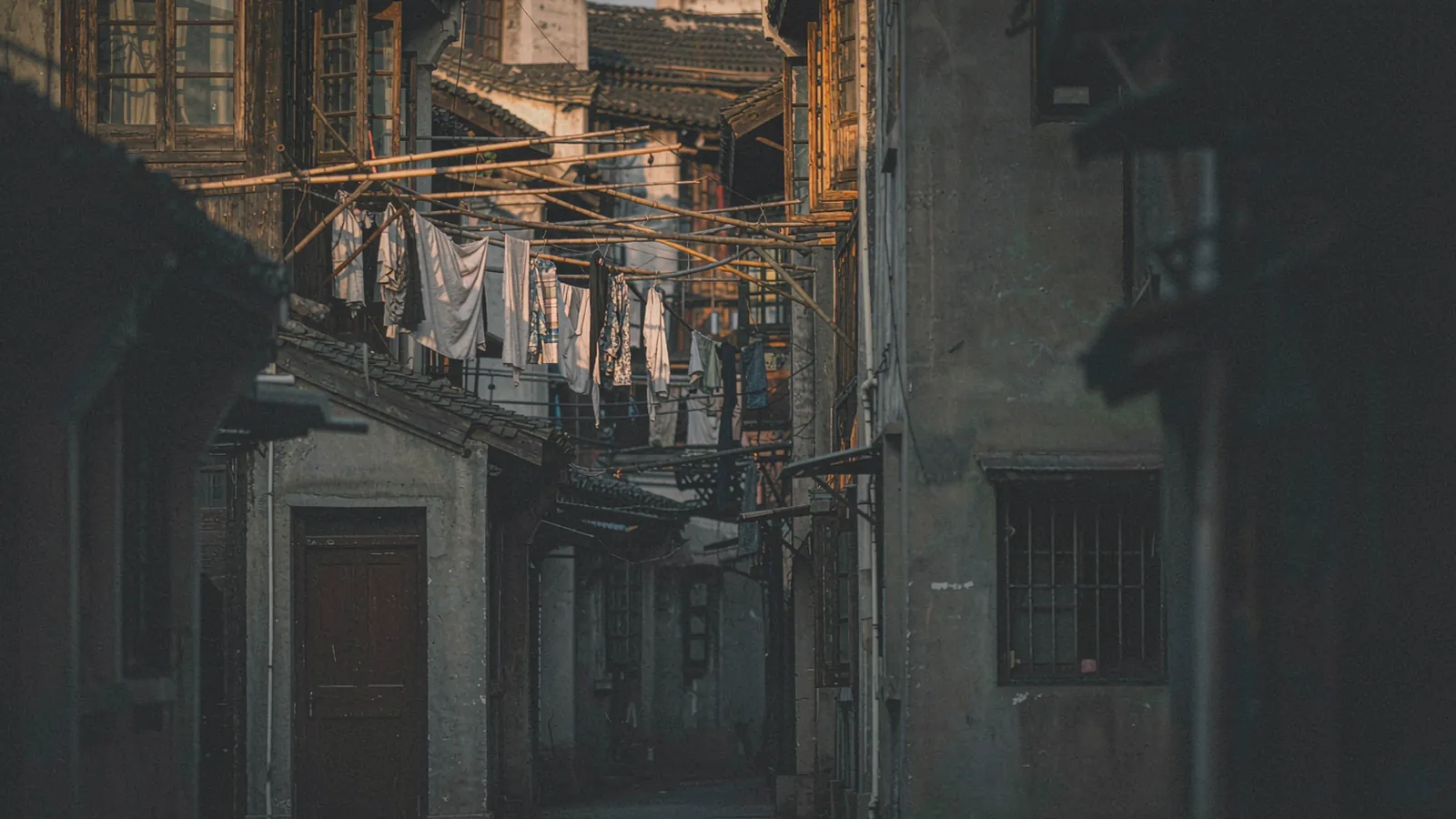
The concessions, in Xuhui and Jing’an. Plane-tree streets, cafés, bookshops and independent shops: Wukang Road, Anfu Road, Ferguson Lane and the Wukang Building, its ship-shape prow pushed into a crossroads. This is the Shanghai you walk through without a single ticket, and for many people it is the best part of the city. We recommend early morning for the facades — after 10:00 queues form to photograph the ship building — and late afternoon for the shops. Two to three hours, unhurried.
Pudong, across the river. Three observation decks to choose from: the Shanghai Tower on floor 118, the highest; the World Financial Center on 100; and Jin Mao on 88, with the best glass floor over the atrium. You do not go up two: you pick one according to visibility and that day’s queue. Add to this the riverside walk on the Pudong side, from which you see the whole Bund head-on — the reverse photograph, and worth the walk.
Tianzifang and Xintiandi. The first is a maze of lanes of single-storey houses converted into studios, and is best before 10:00; the second is the polished equivalent, rebuilt around brick blocks, for a drink in the late afternoon. Neither is “authentic” and that is not what anyone asks of them: they are two good places to sit and watch the city go by.
How to split the day
In the morning. The Yuyuan garden at opening, the Bund right after and the concessions after those two. The Shanghai Museum, which is free but booked by us and closes on Mondays, goes in the morning on a weekday.
In the afternoon. The concessions at leisure, Tianzifang or a café on Anfu Road, and the crossing to Pudong as the sun begins to drop.
Late afternoon and evening. Back to the Bund for the lights, up a tower if visibility allows, and dinner. Shanghai dines later than Beijing and has more choice late; it is the city in China where dinner at 22:00 is not a problem.
What lies outside the city
Suzhou. Around half an hour by high-speed train. Classical scholars’ gardens, canals and districts of white houses with grey tiles. It takes a full day and is the most recommendable extension for anyone who only has Shanghai.
Hangzhou. Around an hour away, with West Lake, the Longjing tea plantations and the temples in the hills. Also a day, and combined with Suzhou for anyone with two extra nights.
How long to give each place
- Bund — half an hour per pass, two passes a day.
- Yuyuan garden — one hour, at opening.
- Concessions — two to three hours on foot, with no destination.
- Shanghai Museum — two hours, with a booking.
- One Pudong tower — one hour between queue, ascent and descent.
- Tianzifang or Xintiandi — one hour each.
- Suzhou — a full day.
- Hangzhou — a full day.
How to move between zones
The Shanghai metro is the easiest network to use in mainland China: bilingual signage, direct lines between the Bund, Pudong, People’s Square and the concessions, and short journeys. For Suzhou and Hangzhou you take the high-speed train, with frequent departures through the day. A taxi only pays off at peak hours with a destination off the central axis, and even then the metro usually wins.
What order to follow
First day: Yuyuan early, the Bund next, the concessions in the afternoon and the Bund again at night. Second day: museum in the morning on a weekday, Pudong in the late afternoon with the tower if the sky is clear, dinner in Xintiandi. With this order you cross the river once a day, which is what genuinely saves time.
If you have less time, if it rains, or if you have children
With one day. Yuyuan in the morning, concessions in the middle of the day, the Bund in the late afternoon and at night. You skip Pudong, and it is no loss: you see it from the other side.
With rain. Shanghai Museum, the Xuhui galleries and the tower atriums, which are indoors. The Bund in heavy rain is uncomfortable and has no shelter.
With children. The public ferry between the two banks instead of the metro, the boats on the Yuyuan lake, and the plane-tree streets, where there is room to walk without tripping over anyone.
Mistakes that cost half a day
- Entering the Yuyuan garden after 10:00. It is two hectares and a lot of people come in per hour; from that point the garden is a corridor.
- Going to the Bund only at 21:00. That is the hour of the crowd against the railing. Early morning or after 19:00, never at 21:00.
- Going up a Pudong tower without checking visibility. In fog you see nothing and the ticket is not refunded. We check on the morning of the day itself.
- Trying the concessions in the late afternoon to photograph facades. Queues form for the ship building; the photographs are taken early in the morning.
- Closing the suitcase without time for Suzhou. It is the one-day extension that best completes Shanghai and the one most people leave behind for not having planned it.
How we organise this on the ground
The metro solves almost everything and is the easiest network to use in mainland China, but what really saves time is not crossing the river more than once a day: we group everything on the Bund side into one half of the day and everything in Pudong into the other. For the tower, we decide on the morning of the day itself according to visibility, never the day before. For Suzhou and Hangzhou, high-speed train tickets are handled in advance, with a fixed time in both directions, and the Portuguese-speaking guide travels on the train — which avoids the classic question faced by anyone arriving alone at a station with half a million square metres.
How this fits into a trip
Shanghai almost always closes the trip, and it is the city where the contrast with Beijing and with the interior is felt most clearly. On our Yangtze Delta tours it is the main destination, with Suzhou and Hangzhou fitted in; on the Essential Tours it comes in to close the classic route. For the full destination listing — where to stay, what to eat — go back to the Shanghai page.
Frequently asked questions
Are two days enough for what there is to do in Shanghai?
They are enough for the Bund, the old city, the concessions, one museum and one tower. What drops out is Suzhou and Hangzhou, each worth a day, and the time to walk the plane-tree streets with no destination — which for many people is the best of Shanghai.
Is the Bund better in the morning or at night?
Both, for different reasons. In the morning, between 06:00 and 07:00, the promenade has more people practising tai chi than tourists, and the low light strikes the stone side-on. After 19:00 the historic buildings light up all at once. We avoid 21:00, when there is a crowd pressed against the railing.
Is it worth going up one of the Pudong towers?
Only on a clear day. There are three observation decks to choose from and none of them is worth it in fog. We check visibility on the morning of the day itself and only buy then; when the sky is clear, we time the ascent to the hour when the sun starts to drop, to get day and night on the same ticket.
What is there to do in Shanghai on a rainy day?
The Shanghai Museum, on People's Square, which holds the best bronze collection in China, and the galleries of the Bund and Xuhui. The Yuyuan gardens in light rain have their appeal, but the stone walkways get slippery and the pavilions fill up.
Should the concessions be visited by day or at night?
Early morning, to photograph the facades without queues, and again in the late afternoon for the cafés and shops. At night the Xintiandi area is more pleasant than Tianzifang, which closes earlier and empties out.