Journal
Paying by card in China: does it work?
The short answer: only in top-end hotels and large chains. The useful answer is what you do in the other 90% of places.
October 18, 2026 · ChinaTravel.pt Team · payments · money · tips
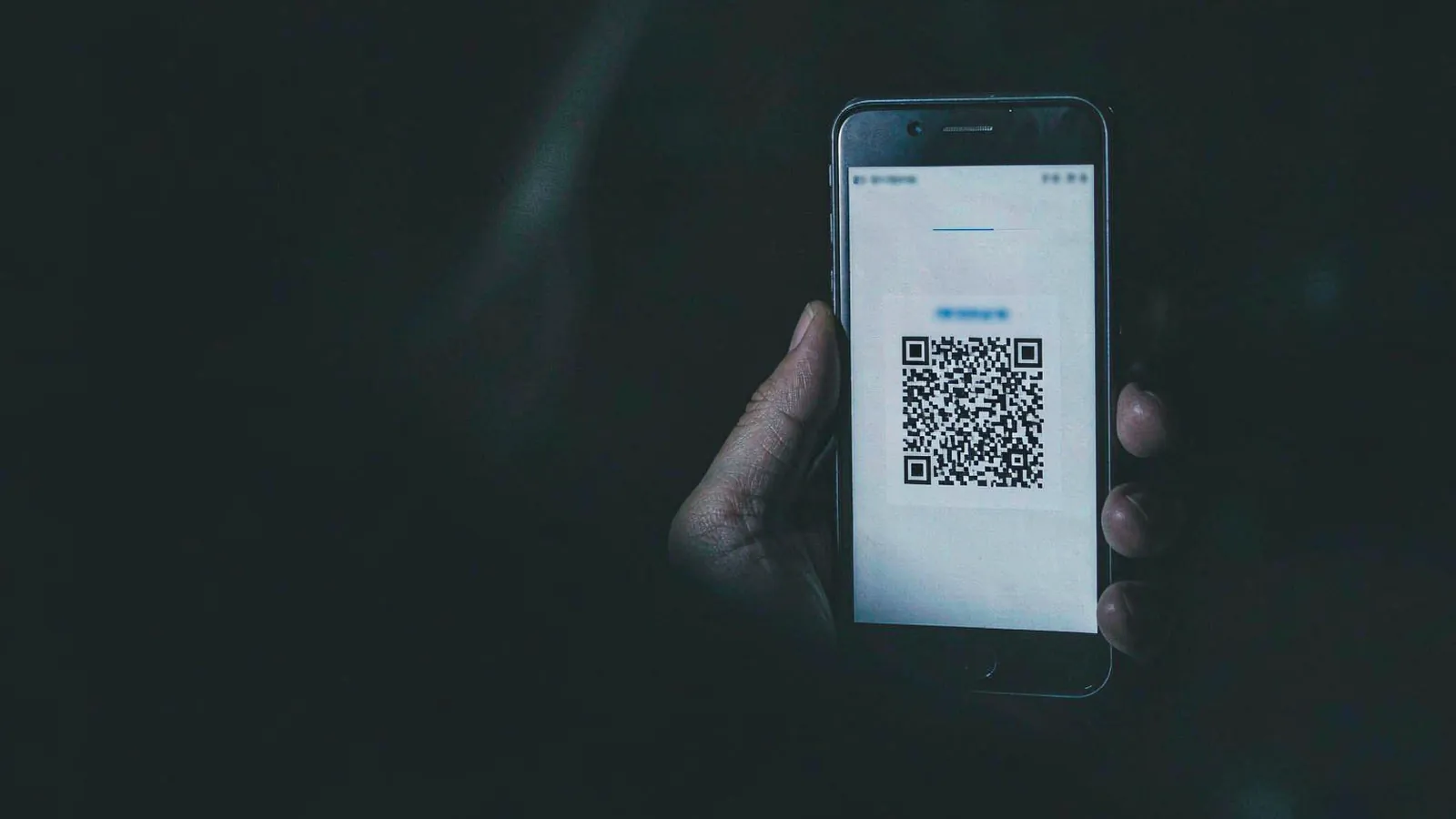
Paying by card in China works in four- and five-star hotels, large chain stores and airports — and almost nowhere else. The reason is not technical or banking: the country moved to payment by QR code, and the question you hear in a restaurant in Xi’an today is not “do you take card?” but “do you take cash?”.
The practical consequence is simple and worth knowing before you fly: anyone who arrives in China counting on their card spends the trip asking someone else to pay for them.
Where a physical card still works
It is worth being precise, because the answer “it doesn’t work” is also too strong:
Hotels. Every four-star and above, and all the international chains. This is where a card is perfectly normal.
Large retail. Chain supermarkets, branded shopping centres, electronics shops.
Airports. Duty free shops and most restaurants in the international zones.
Hotel restaurants. The ones inside international hotels.
Outside this list, the likelihood of a Visa or Mastercard from home being accepted falls off a cliff. In markets, taxis, monument ticket offices, teahouses, neighbourhood shops and street food stalls: no.

The solution that actually works
Since 2023, Alipay and WeChat Pay accept foreign cards — Visa and Mastercard issued outside China. It is the change that made China visitable again without cash.
This is how it works:
- Install Alipay before the flight.
- Register your card inside the app.
- Pay by pointing the phone at the QR, or by showing your own QR to whoever is charging you.
The commission is 3% on transactions above 200 yuan. Below that there is no fee, which in practice covers almost every meal and ticket. There are limits per transaction and an annual ceiling, but on a two-week trip you do not get near them.
One important detail: WeChat Pay is the app Chinese people use for everything, but Alipay is easier to set up from home. If you have to pick one, pick that one.
The step-by-step details are in our payments guide, including what to do when verification fails.
Cash: when, and how much
Chinese law requires cash to be accepted, and everyone accepts it. The practical problem is change: paying for a 45 yuan meal with a 100 note at many street stalls produces a shrug.
Carry 500 to 1,000 yuan per person for ten days, and withdraw it in small notes: 10, 20 and 50. The 100s are the ones that cause problems.
Where cash is still king:
- Street food stalls in night markets.
- Temples, and offerings.
- Villages and rural areas, where the QR arrived later.
- Street markets, where the business runs on cash on the spot.
ATMs
Withdrawing at an ATM in China is perfectly viable and, for many people, the simplest way to get cash.
Look for Bank of China or ICBC ATMs: those are the ones with an English option that accept the international networks. Insert the card, choose “foreign card”, and withdraw.
Three practical tips: prefer ATMs attached to bank branches during opening hours, because those are the ones that rarely run out of notes; withdraw in two-thousand-yuan amounts to spread the fixed commission; and avoid isolated ATMs in stations, which are the ones that most often keep cards.
The mistakes that repeat
Counting on the card in a taxi. No. Order the car through Didi — which takes the linked foreign card — and the payment is handled before you set off.
Assuming the phone sorts everything out. The battery dies. Carry a reserve of 500 yuan and bring a power bank: in China, a flat phone means not being able to pay.
Changing money at the airport. The exchange rates at airport counters are the worst on the market. Change the minimum for the transfer and withdraw the rest at an ATM in the city.
Forgetting to warn the bank. Some cards from home block for security when they see Asian transactions. A travel notice in the bank’s app beforehand sorts it out.
The limits nobody expects
There are four things that catch people even after they have Alipay working:
The hotel pre-authorisation. Chinese hotels frequently block 500 to 1,000 yuan on the card as a deposit, and the release takes days to appear on the statement. It is not a charge: it is a hold on the value.
ATMs with a per-withdrawal limit. Many cap each operation at 2,000 or 3,000 yuan. If you need 6,000, make three withdrawals and count three commissions — or withdraw in two-thousand amounts, as suggested above.
UnionPay-only machines. There are terminals in large shops that, even with a card reader, only accept UnionPay. If your card fails twice, do not insist: ask to pay by QR.
The bank blocking the purchase. When Alipay refuses a transaction, the fault is almost always the issuing bank and not the app. A travel notice set up in the bank’s app before departure resolves ninety per cent of cases.
And in Hong Kong and Macau?
One note that avoids confusion: Hong Kong and Macau are separate administrative zones, with their own currency and a different card infrastructure. Cards from home work there far more than on the mainland, and the Hong Kong dollar does not circulate in China.
This means anyone combining the three destinations needs two wallets. The details for each are on our Hong Kong and Macau page.
What we do with this
Before every trip to China we send our clients a short list: install Alipay, link the card, set up an eSIM, and carry 500 yuan in small notes. It is not a financial service: it is simply the observation that fifteen minutes in Lisbon saves arguments in Beijing.
On our tours, and to be clear about what is not included: the included meals, the entrances, the transport and the hotels are paid for. What the client pays out of pocket are the free meals, the drinks and the shopping — and that is where the QR comes in.
For anyone who wants to go further, our shopping guide covers haggling, VAT refunds and what you should not pay for; and the payments one has the complete step-by-step.
In short: bring the card, install Alipay and carry 500 yuan in small notes. With those three, China is one of the easiest countries in the world to pay in. With only one of them, it becomes one of the hardest.
Frequently asked questions
Do cards from home work in China?
In four- and five-star hotels, the large retail chains, airports and some hotel restaurants, yes. In neighbourhood restaurants, taxis, markets, ticket offices and street food, almost never. This is not a fault of the cards: the country moved to payment by QR code.
So how do you pay?
Through Alipay or WeChat Pay, with your card linked to the app. Since 2023 both have accepted Visa and Mastercard issued abroad, with a 3% fee on transactions above 200 yuan. Below that amount there is no commission.
How much cash should I bring?
Between 500 and 1,000 yuan per person for a ten-day trip, in small notes. It works as a backup for the places where the phone fails or the QR does not exist — and above all it gives you change. Withdraw the rest at an ATM on arrival.
Can I withdraw cash from an ATM?
Yes. Bank of China and ICBC ATMs accept foreign cards on the Visa, Mastercard, Cirrus and Plus networks, and have an English option. The fee charged is your bank's plus a local commission. Prefer ATMs attached to branches during opening hours, because those are the ones that rarely run empty.
Keep reading
Talk to the people who run it
Want to know how this applies to your trip?
Message us on WhatsApp. We reply in English within one business hour (UTC+8).
Chat on WhatsAppReplies in English · no obligation