Money
How to pay in China
WeChat Pay and Alipay dominate, and since 2023 they accept foreign cards. Cash still works too — especially outside the big cities.
Set up Alipay and WeChat Pay with your card before you fly. And always carry 1,000 yuans in notes.
Updated October 18, 2026 · checked October 18, 2026
Set up Alipay and WeChat Pay with your card before you fly. And always carry 1,000 yuans in notes — that is what saves the afternoon in a village where the QR reader is broken.
How China pays today
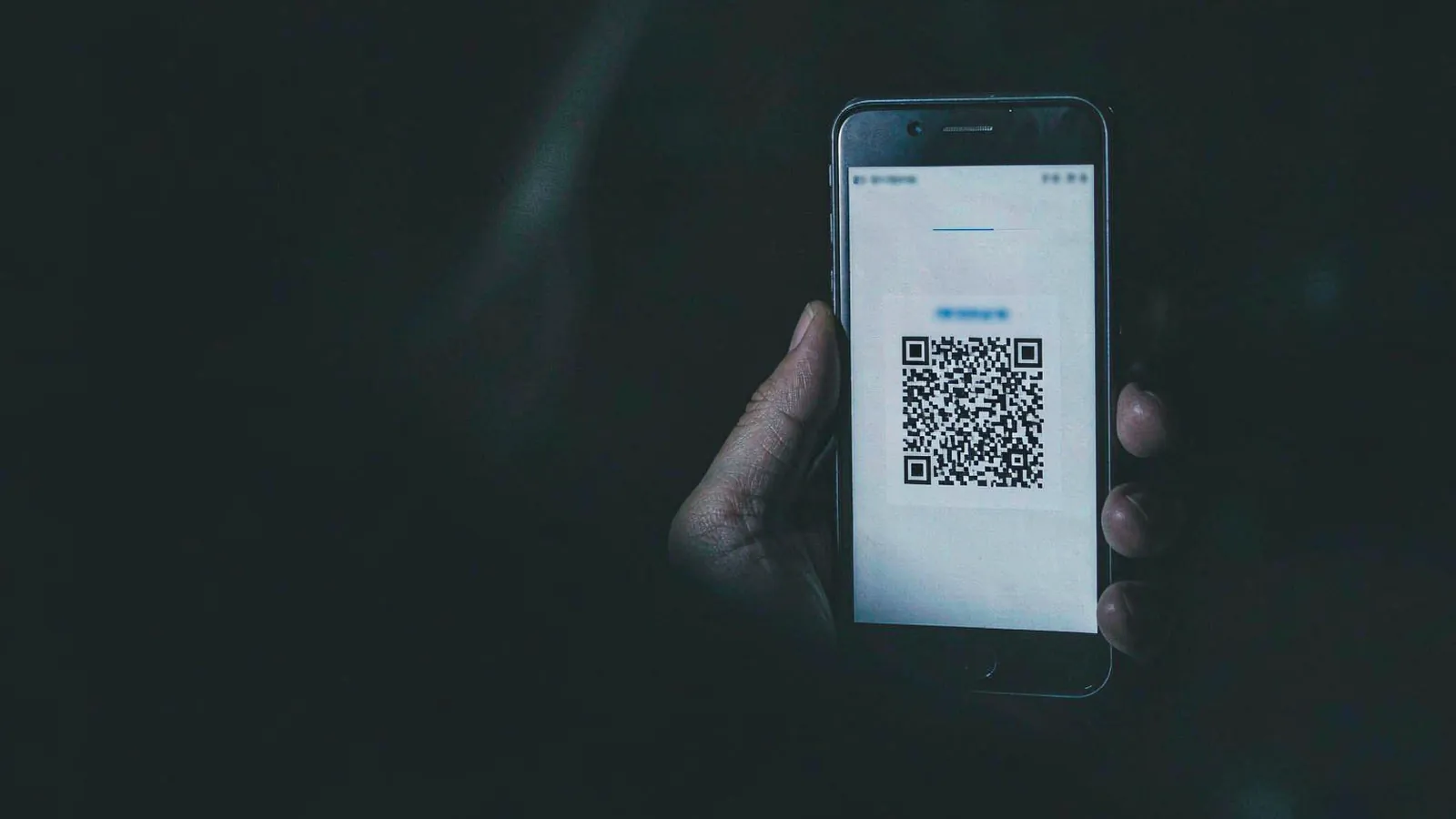
China jumped straight from cash to paying by phone, skipping plastic. Today almost everything is paid by QR code: restaurants, metro tickets, taxis, monument tickets, street markets, even donations at temples.
Two apps split the market:
- WeChat Pay, inside the WeChat app, which also handles messaging.
- Alipay, from Alibaba, more service-oriented and the easier of the two to set up with a foreign card.
Since 2023 both accept Visa and Mastercard cards issued outside China, subject to passport verification, and since 2024 the per-transaction limits for foreigners have been widened. In practice, this means a visitor today can pay by phone almost everywhere without needing a Chinese bank account.
What to do before you fly
Do this at home, calmly, on good wi-fi:
- Install WeChat and Alipay from your home country’s app store.
- Register with your home mobile number, not a Chinese one.
- Add your card: menu “Me” → “Bank Cards” → photograph the front and back of the card.
- Verify your identity when they ask for your passport — this raises the limits.
- Make a small test payment — a euro or so — at any online shop, to confirm the payment goes through.
Also bring a second card, preferably from a different network, because issuers block suspicious international payments and sorting that out from inside China is difficult.
Where cash is needed
For all the phone payments, cash still solves problems. We always ask our clients to bring 800 to 1,200 yuans in notes, split between two people, plus an equivalent reserve in dollars or euros.
Situations where notes come in handy:
- Rural markets, bamboo rafts in Yangshuo and villages in Yunnan.
- Small street restaurants and family teahouses.
- Public toilets at monuments (1 to 2 yuans).
- When the network or your phone battery fails.
Do not count on changing money just anywhere: it is done at Bank of China counters, at airports (worse rate) or in higher-category hotels. Foreign visitors can exchange on presentation of a passport, and at all of these places the document is required — without it the transaction is refused.
ATMs and cash withdrawals
ATMs are everywhere in large and medium-sized cities, and most accept Visa, Mastercard and UnionPay. Look for machines from the Bank of China, ICBC and the Agricultural Bank — these are the ones that most often work with foreign cards.
Two notes: withdraw in multiples of 100 yuans, since larger notes than that are rarely a problem (100 is the largest), but 50s and 20s come in handy; and watch your bank’s fee, which is usually more expensive than paying directly through Alipay.
How much to spend per day
On a private tour, where hotels, guide, entrance fees and transfers are paid for up front, pocket money covers meals not included, drinks, gifts and optional activities. For reference:
- Street meal: 25 to 50 yuans
- Meal in a mid-range restaurant: 80 to 200 yuans per person
- Fine dining: 300 to 600 yuans per person
- Metro ticket: 3 to 9 yuans
- Small souvenirs: 20 to 100 yuans
Our tour prices are quoted per person, in dollars, with everything on the ground included except international flights. What is left out are meals not specified, drinks, gratuities and personal shopping. In practice, for a couple on a private tour of ten to twelve days, we allow 200 to 400 yuans a day in pocket money for free meals and small extras, excluding shopping.
Fees, exchange rates and what to avoid
The currency is the renminbi, whose unit is the yuan (popularly “kuai”). Notes run from 1 to 100 yuans and there are coins of 1 yuan and of 1 and 5 jiao. The rate is around 7 to 8 yuans to the euro, but it varies; check it on the day, because our quotes are presented in US dollars and both conversions weigh on the wallet.
Three mistakes cost money avoidably. The first is exchanging at the airport on arrival: the rate is always worse than in the city and the commission is fixed. The second is paying with a credit card that charges a foreign currency conversion fee on an unfamiliar currency — prefer paying through Alipay, where the rate is shown before you confirm. The third is withdrawing small amounts several times at ATMs, multiplying the fixed commission on each transaction: withdraw once, withdraw enough.
Deposits, refunds and how our payments work
The private tours we organise are paid by bank transfer to the company account, in euros or dollars, with a 30% deposit on booking and the balance up to 30 days before departure. We always issue an invoice and receipt in the traveller’s name, and we keep the proof in the border dossier, because it is sometimes asked for.
For last-minute bookings — trains released 15 days ahead, named-entry tickets that sell out overnight — we pay up front and settle later, rather than asking a client to work their way through a Chinese platform at eleven at night.
On deposits and refunds: hotels and monuments charge refundable deposits on peak-season bookings, returned in full if cancelled within the stated deadline. The deadlines are short and vary by establishment, which is why we always confirm each property’s policy before booking.
A word on tipping, the question we are asked most: you do not leave money on the table in restaurants, and you do not tip monument guides. You do give a gratuity to the guide and driver at the end of the tour, as a sign of appreciation — as a rule between 6 and 10 dollars per day per person, handed over in cash on the last day, and always at the client’s own discretion.
The plan B when nothing works
One day, somewhere, something will not go through: the card is declined, Alipay asks for extra verification, or the QR reader is broken. It is worth having the plan written down before you need it.
The order we recommend is this: a second card from a different network, enough cash for the day, and finally call the guide or the office, who will pay up front and settle later. This is what we do on last-minute bookings — trains released fifteen days ahead, named-entry tickets that sell out overnight — precisely so that nobody has to work through a Chinese platform at an inconvenient hour.
Payment scams to avoid
- Fake QR readers stuck over the real ones at street stalls: always check the merchant’s name on screen before confirming.
- “The reader is broken, pay me in cash” — happens mostly in tourist areas; insist, or go elsewhere.
- Taxi drivers without a meter who propose a fixed price; use Didi or ask the hotel to call one.
- Street money changers, which is illegal and always unfavourable or counterfeit.
Frequently asked questions
Do I need cash in China?
Yes, especially away from the centres of the big cities. In villages, markets, small restaurants, bamboo rafts and teahouses, payment is frequently cash only or QR only with a Chinese account. We recommend carrying 800 to 1,200 yuans.
Will my card from home work in China?
It works in hotels, large hotels and restaurants in the big cities — Visa and Mastercard have reasonable acceptance in first-tier cities, UnionPay very wide acceptance. Do not count on it in neighbourhood cafés, taxis or small shops.
How do I set up Alipay?
Download the app before your flight, register with your home mobile number, choose "Bank Card", photograph your card and confirm. Since 2023 the process accepts Visa and Mastercard issued outside China. Make your first payment at home, to confirm it is active.
Is there a limit on how much I can pay by phone?
There are per-transaction and daily limits for newly registered users, which rise as the account builds history and completes identity verification with a passport. On a normal tourist trip you rarely hit them.
Do you tip in China?
It is not customary and in many places it is refused. The exceptions are tour guides and drivers, where a gratuity at the end is appreciated. In restaurants you leave nothing on the table.
Where this applies
Talk to the people who run it
Still got a question about how to pay in china?
Message us on WhatsApp. We reply in English within one business hour (UTC+8).
Chat on WhatsAppReplies in English · no obligation