On the ground
China for older travellers and those with reduced mobility
There is a Chinese itinerary that is done slowly, by lift and cable car, without staircases. And there is one you should not do at all.
It is possible to make a great trip to China without climbing a single significant staircase. You just have to choose the right cable cars and avoid two destinations.
Updated October 18, 2026
It is possible to make a great trip to China without climbing a single significant staircase. You just have to choose the right cable cars, avoid two destinations and accept that a day of morning and afternoon — not morning, afternoon and evening — is the right pace.
Where China is friendly
China’s investment in recent infrastructure has helped anyone who has difficulty walking, a great deal.
High-speed trains. Level entry with the platform, wide corridors, modern toilets and first-class seats with legroom. Assistance can be requested at the station on presentation of a passport.
Metro. The overwhelming majority of stations built in the last decade have a lift, tactile flooring, wide ticket gates and accessible toilets. The exceptions are the old lines in central Beijing and some Shanghai stations.
Museums and shopping centres. Accessible, with good benches — which is not irrelevant, because resting ten minutes every hour changes the day.
Monuments with mechanical access. This is the list we use:
- Mutianyu (Great Wall): cable car up to tower 14, no access staircase.
- Tianmen Shan (Zhangjiajie): cable car of seven and a half kilometres up to the summit.
- Leshan Giant Buddha: seen in full from a boat, from the water.
- Emeishan: cable car up near the golden summit.
- Huangshan and Huashan: cable cars that avoid 90% of the climb.
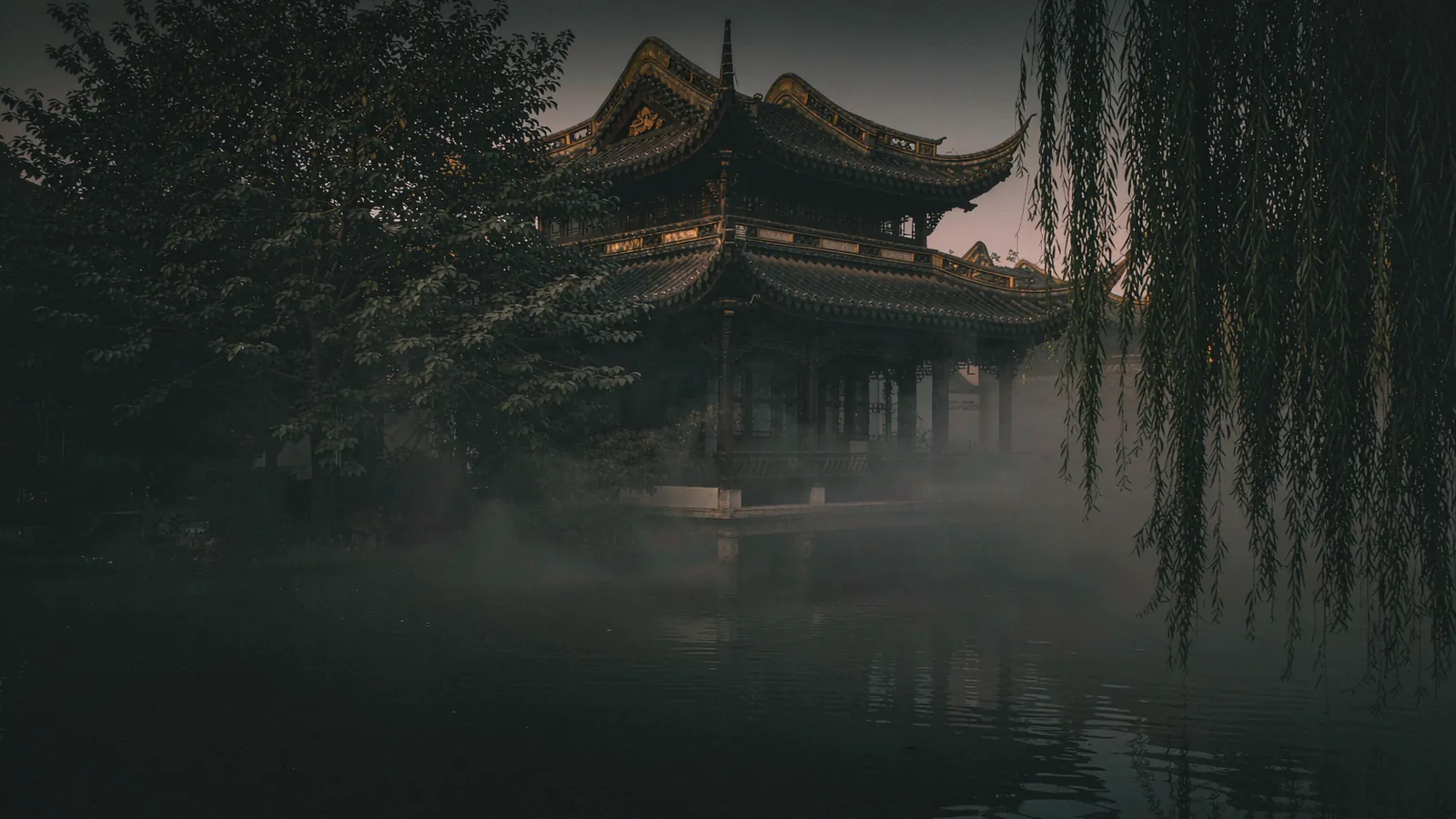
- Suzhou gardens: flat, with boardwalks.
Where it hurts
Three places tire even someone in good spirits, and they have to be decided on with eyes open:
Tibet and Shangri-La. Altitude is the only factor that cannot be worked around with logistics. At 3,650 metres the effort of climbing stairs is multiplied, and any pre-existing heart condition is aggravated. We recommend a medical consultation beforehand and, in case of doubt, staying below 2,500 metres — which still allows you to do 90% of China.
The old stone towns. Lijiang, Dali and Pingyao have irregular paving and steps everywhere; enchanting, and bad for knees.
Mountains without cable cars. The climb to the Yuanyang viewpoints, the descent of old Chengdu, the wooden staircase of Mount Hua: these are not realistic options.
Toilets. The subject we are asked about most often. Public ones have improved a great deal, but paper and soap are still missing at monuments and roadside stops, and there are squat toilets that genuinely require squatting. We always carry tissues and gel in the car, and we plan stops at shopping centres and hotels, where there are Western-style toilets.
The principles we apply with senior travellers:
- One big visit a day, at most two short ones. A dense morning and a light afternoon.
- The car always at the door. No time lost in stations, no walking to the monument.
- Hotels with a lift and no access stairs, which rules out courtyard houses without ground-floor rooms, however beautiful they are.
- Stops planned every 60 to 90 minutes, almost always somewhere with seating.
- Flat destinations preferred: Shanghai, Suzhou, Hangzhou, Xi’an (the wall is flat but long), Chengdu and Yangshuo by boat.
- Mid-season is compulsory. Neither July and August in the east (35 degrees with humidity), nor December to February in Harbin (minus 20).
Medication and health
The checklist we send our senior travellers before departure:
- Medication for twice the number of days planned, split between two suitcases, in the original packaging.
- Prescription in English, with the generic names of the active ingredients.
- Medical identification watch or bracelet with allergies and relevant chronic conditions, and blood type.
- Travel insurance with high cover and a direct line to the insurer — we check the policy before closing the booking.
- Medical consultation six weeks ahead, to review vaccines and, above all, to assess fitness for altitude if the itinerary includes it.
In every big city there is at least one international hospital or a clinic with English-speaking doctors; we indicate which one and how far it is from the hotel, in each city, in the travel dossier.
A typical senior day, in practice
To give an idea of what an adapted pace looks like, here is a real day in Beijing taken from our itineraries:
8.30am — pickup at the hotel door, in a car that parks at the entrance to the Forbidden City. 9am — entry from the north, route along the central axis with a stop in each courtyard that has a bench. 10.30am — exit through the north gate, without doubling back. 10.45am — up to Jingshan by a gentle path, view over the rooftops from the lookout. 11.30am — back to the car. 12pm — lunch booked, with a reserved room and no steps at the entrance. 2.30pm — rest at the hotel. 4.30pm — short drive through the hutongs of Gulou, with a stop for tea. 6pm — early dinner. 7.30pm — end of the day.
Note what is left out: no second big visit in the afternoon, no metro at rush hour, no dinner at 9pm. This is what makes it possible to do twelve days in a row without reaching the ninth exhausted.
Three physical adaptations that also help: a walking stick or support cane for the uneven pavements of the old towns, thick-soled footwear (the flagstones of the walls are hard) and a small rucksack with water and medication, because there is not always somewhere to sit in the shade.
And a note on company: many of our senior clients travel with children or grandchildren. In those cases we suggest two parallel programmes over two afternoons — the younger ones go climbing or cycling, the older ones stay in a teahouse — and we bring them back together at dinner. It works better than forcing everyone to the same pace.
Supporting documents
Passport valid for six months beyond the departure date, printed travel insurance, and — our recommendation — a medical statement translated into English with chronic conditions and medication. It serves for everything: for the insurer, for the hospital, for the airline that asks about medical equipment. We also include the contact for a relative at home, on paper, because that is what is asked for in an emergency.
Age is not the limit
Our most loyal group of clients today are couples between 60 and 75, on their second or third trip to the country, travelling with the calm of people who have time. For this profile we recommend Essential China at an adapted pace, From the Tagus to the Delta, and the Grand Crossing with domestic flights replacing the long road stages. Twenty-day trips are no problem when you sleep two nights in each city.
Just tell us how many stairs can be climbed in a day and we build the itinerary from there.
That question — how many stairs, how many kilometres on foot, how many consecutive hours away from the hotel — is the first thing we ask on the initial call. It is answered in two sentences and lets us choose the access points immediately: cable car instead of staircase, boat instead of trail, ground-floor room instead of a courtyard with steps. There is no form; there is a conversation.
Frequently asked questions
Is China accessible for someone with reduced mobility?
In the big cities, increasingly so: new trains with wheelchair spaces, metro with lifts at most recent stations, museums with ramps and adapted toilets. Outside those modern circuits there are steps, uneven pavements and squat toilets.
Which destinations should be avoided?
Tibet for the altitude, any mountain trekking, the staircases of the Great Wall on unrestored sections, the plank walk of Mount Hua and climbs such as Emeishan without the cable car. Of these, only Tibet is definitively out; the others can be adapted.
Is altitude a real problem?
Yes, above 2,500 metres. Shangri-La sits at 3,200 and Lhasa at 3,650. We recommend intermediate acclimatisation nights and a medical consultation beforehand from age 70 or in cases of heart or respiratory disease. At around 1,500 metres — Beijing is at 44, Shanghai at sea level — there is no problem at all.
Do monuments have lifts and cable cars?
The main ones do: Mutianyu has a cable car and toboggan, Tianmen Shan in Zhangjiajie has the longest non-stop cable car in the world, the Leshan Giant Buddha can be seen in full from a boat without climbing a step, and Emeishan has a cable car up near the summit. It is around these access points that we build our senior itineraries.
Is there assistance at airports and stations?
Yes, requested in advance through the airline or our team: wheelchair to the aircraft door, priority queue and accompaniment to the exit. It works well in the big cities, less so at small stations.
Where this applies
Talk to the people who run it
Still got a question about china for older travellers and those with reduced mobility?
Message us on WhatsApp. We reply in English within one business hour (UTC+8).
Chat on WhatsAppReplies in English · no obligation