Safety and health
Is it safe to travel in China?
Yes — it is one of the safest countries in the world for visitors. The real risk is not crime, it is scams and traffic.
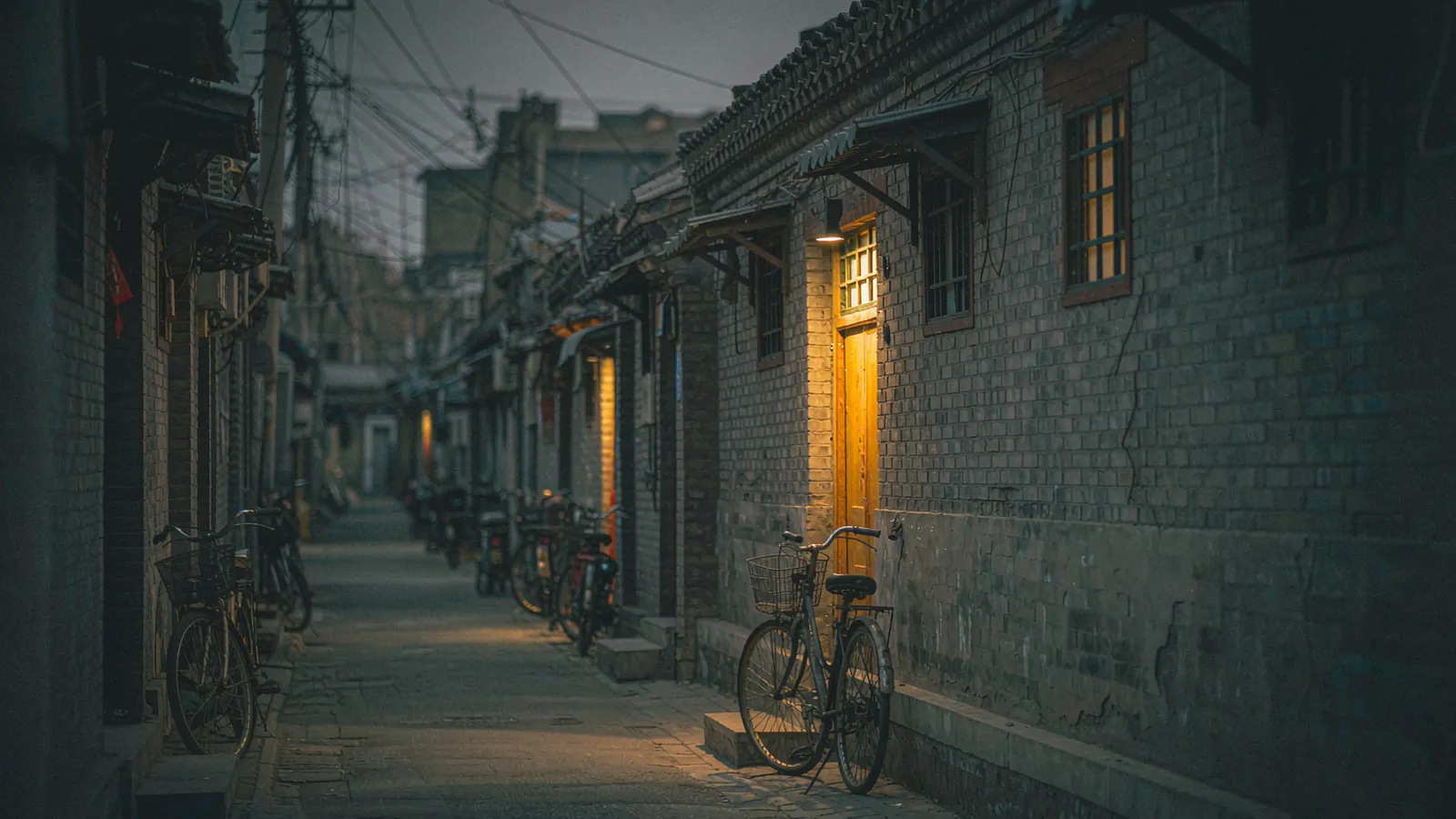
You are safer walking through Beijing in the small hours than in most Western capitals. What does need attention are tourist scams and traffic.
Updated October 18, 2026
You are safer walking through Beijing in the small hours than in most Western capitals. What does need attention are tourist scams — which target the wallet, not the person — and traffic, which kills more people than crime does.
The real picture
China’s violent crime rates are among the lowest in the world for a large country, and crimes against foreigners are rare. The reasons are structural: widespread video surveillance in cities, visible police presence at stations and airports, heavy penalties for theft, and a culture of reporting that means anyone trying something is surrounded by witnesses within seconds.
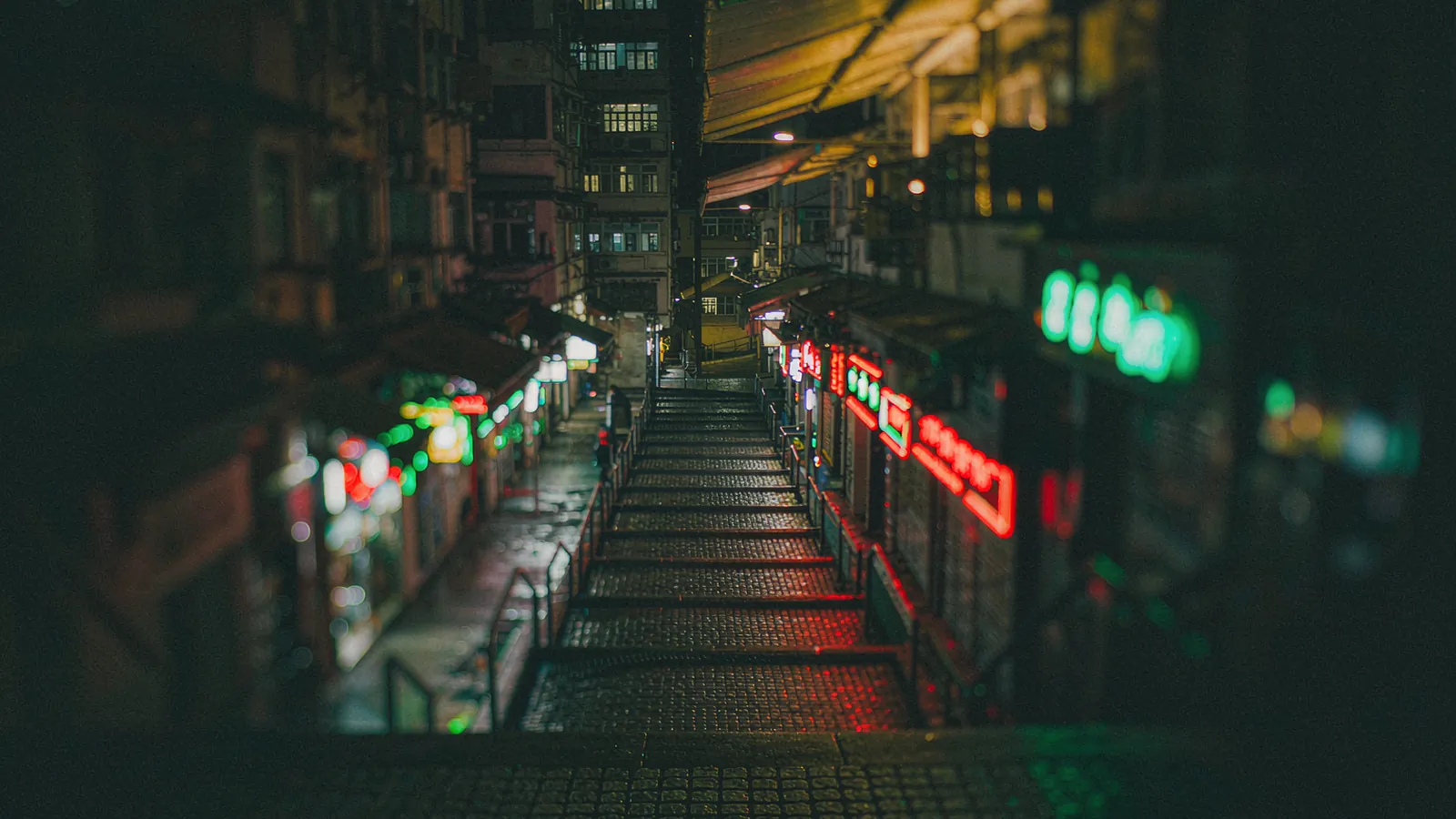
The practical feeling of the traveller confirms the numbers: you can walk at night in any large city, go out to dinner alone, take the metro at two in the morning. This is not brochure rhetoric — it is the experience of people who live here.
The risk that does exist: scams and petty theft
Where there are tourists, there are people taking advantage. Chinese scams follow known scripts and have been repeating for decades:
The teahouse and the “art gallery”. A friendly, well-dressed young person approaches you on the street near Wangfujing or the Bund, says they are practising their English, and invites you to a tea ceremony or a gallery. It ends with a bill for 400 to 2,000 yuans and pressure to pay. The answer is no, said without stopping, walking on.
The rickshaw and the taxi without a meter. Only accept vehicles with a meter or booked through Didi. Never negotiate at the airport exit with someone who approaches you.
Street money changing. Illegal and counterfeit, invariably. Change money at bank counters or, with care, at hotels.
Theft on crowded transport. The metro at rush hour and the high-speed train are where wallets go missing. Keep your passport in the hotel safe and carry a photocopy — that is enough to get around.
Fake help at ticket offices. People who “help” you buy tickets in exchange for a hidden commission. Use the machines or let us buy them for you.
Traffic: the real danger
Crossing the road is the most dangerous thing a visitor does in China. The rules appear to be suspended: silent electric motorbikes ride on pavements and against the flow, pedestrian lights are not always respected by vehicles turning right, and de facto priority belongs to whoever is in front.
Three practical rules: always cross with the local crowd, never alone in a hurry; look left and right twice, even on a green signal; and never cross looking at your phone.
On rural roads and mountain routes the risk is wet surfaces and overtaking. That is why our itineraries never include night journeys between cities and always use drivers who know the stretches.
Documents and policing
Always carry your passport: it is required at hotels, stations, airports and monument entrances, and checks are made against the name. Keep a printed copy somewhere separate and a photograph on your phone.
If you are approached by the police, stay calm, show your passport and contact us. There is no reason for fear — officers in tourist areas are used to foreigners and extortion is not a practice.
Travelling alone and travelling as a woman
China is one of the most comfortable large destinations for solo travellers. Women travelling alone consistently report fewer approaches than in Southern Europe, and the local attitude towards a foreigner on their own is discreet curiosity and helpfulness. Even so, the usual rules apply: avoid walking back alone in the small hours through empty areas, do not accept lifts from strangers, and share your location with someone.
The vehicles and hotels we use are vetted by us, and our guides, male or female, always carry the office number. If something does not feel right, call: there is telephone support in English running around the clock for the duration of the itinerary.
Natural and everyday risks
Three things deserve more attention than crime. The first is traffic, covered above. The second is natural phenomena: typhoons in the south between July and September, which cancel ferries and flights; sandstorms in Inner Mongolia and Beijing in spring; and earthquakes in parts of Sichuan and Yunnan. Hotels have protocols posted; if there is an earthquake, the procedure is to stay where you are and follow the staff’s instructions.
The third is altitude, in Lhasa and Shangri-La, which is resolved with time and without heroics. There is a fourth that almost nobody anticipates: electric motorbikes on cycle lanes and pavements. They are silent, travel at 30 km/h and come up behind you. Looking both ways before stepping off the pavement is the most useful gesture of the trip.
Safety in outdoor activities
Most of the accidents we know of do not happen in the city: they happen on a wet boardwalk, on a stone step of the Great Wall, or on a bicycle hired on the spot. Four rules of ours:
- Stone stairs and wet boardwalks. In Zhangjiajie, on the Great Wall and on the Yunnan terraces, stone becomes slippery after rain. We use footwear with grippy soles and never run downhill.
- Cycling between rice fields. Flat road, but shared with motorbikes and carts. A helmet when one is offered, and never at night, because there is no lighting.
- Rafts and boats. Life jackets handed to you are meant to be worn, even on still water in the heat. We insist on this on our river outings.
- Tap water. Do not drink it, and do not brush your teeth with it in doubtful places. It is the most repeated rule in our dossier and the most often forgotten.
In remote areas — the Tibetan plateau, the Yunnan terraces, northern Sichuan — the difference in medical response times matters. That is why our routes in those regions always use a car with a driver and never mountain public transport.
What we do for you
- Airport and station pickup with your name on a board, avoiding the touts at the exit.
- Our own car and driver, no improvised taxis.
- Permanent telephone support in English, with the office number provided before departure.
- A card with the hotel addresses in Chinese to show any taxi driver.
- Advance information on the scams currently active in each city, updated to the date of travel.
One concrete example from the past year: the approach has moved. Instead of the street conversation, young people now appear at the ticket offices of the most sought-after monuments, offering “help” to buy named-entry tickets that sell out overnight. Do not accept; we reserve the entries ourselves, in the client’s name, days in advance.
Frequently asked questions
Is it safe to walk the streets at night in China?
Yes. Violent crime against foreigners is rare, and large Chinese cities have a discreet but constant police presence. Walking in the small hours in Beijing, Shanghai or Chengdu does not carry the risk it does in most European capitals.
What are the most common scams?
The teahouse (they invite you to a ceremony and present a bill for hundreds of euros), the taxi without a meter at airports, the "art student" who invites you to a gallery, and the note-switching trick in markets. All are avoided the same way: do not accept invitations from strangers in the street and use booked services.
Are my data and payments secure?
Yes, using Alipay or WeChat Pay, because payment is tokenised and the merchant never sees your card number. Avoid inserting your card into unfamiliar readers and never let anyone photograph your documents.
Should I be careful about photographs?
In sensitive places — military installations, critical infrastructure, airports in certain areas and during police operations — do not photograph. Inside monuments, look for the prohibition signs. To photograph people, ask permission: in markets and villages the answer is usually positive if you ask first.
What emergency numbers are there?
110 for police, 119 for fire and 120 for ambulance. For consular assistance, your country's embassy in Beijing and the consulates in Shanghai and Macau. Our clients always receive a card with these numbers in English and Chinese.
Where this applies
Talk to the people who run it
Still got a question about is it safe to travel in china??
Message us on WhatsApp. We reply in English within one business hour (UTC+8).
Chat on WhatsAppReplies in English · no obligation