Best time to visit · Harbin
best time to visit Harbin
Month by month: when the ice is right, when the Songhua river is still a road, why April and October are dead months and what makes the city worth it in summer.
At a glance
- Best time to visit
- Dec–Feb
- Suggested nights
- 2 to 3 nights
- Region
- Nordeste
- Booking required
- Harbin International Ice and Snow Festival
The best time to visit Harbin is not up for discussion: the city exists as a destination because of winter. The cold of northeast China, the frozen Songhua river and the lit sculptures of the Ice and Snow Festival form a set that only happens between December and February, and it is in that interval that the trip is decided. What this calendar adds is the rest: there are weeks inside that winter that are worth far more than others, there are two dead seasons when it is not worth going, and there is a summer that makes Harbin a pleasant city for entirely different reasons. This page answers “when to go to Harbin” and complements the Harbin page.
Harbin’s climate, month by month
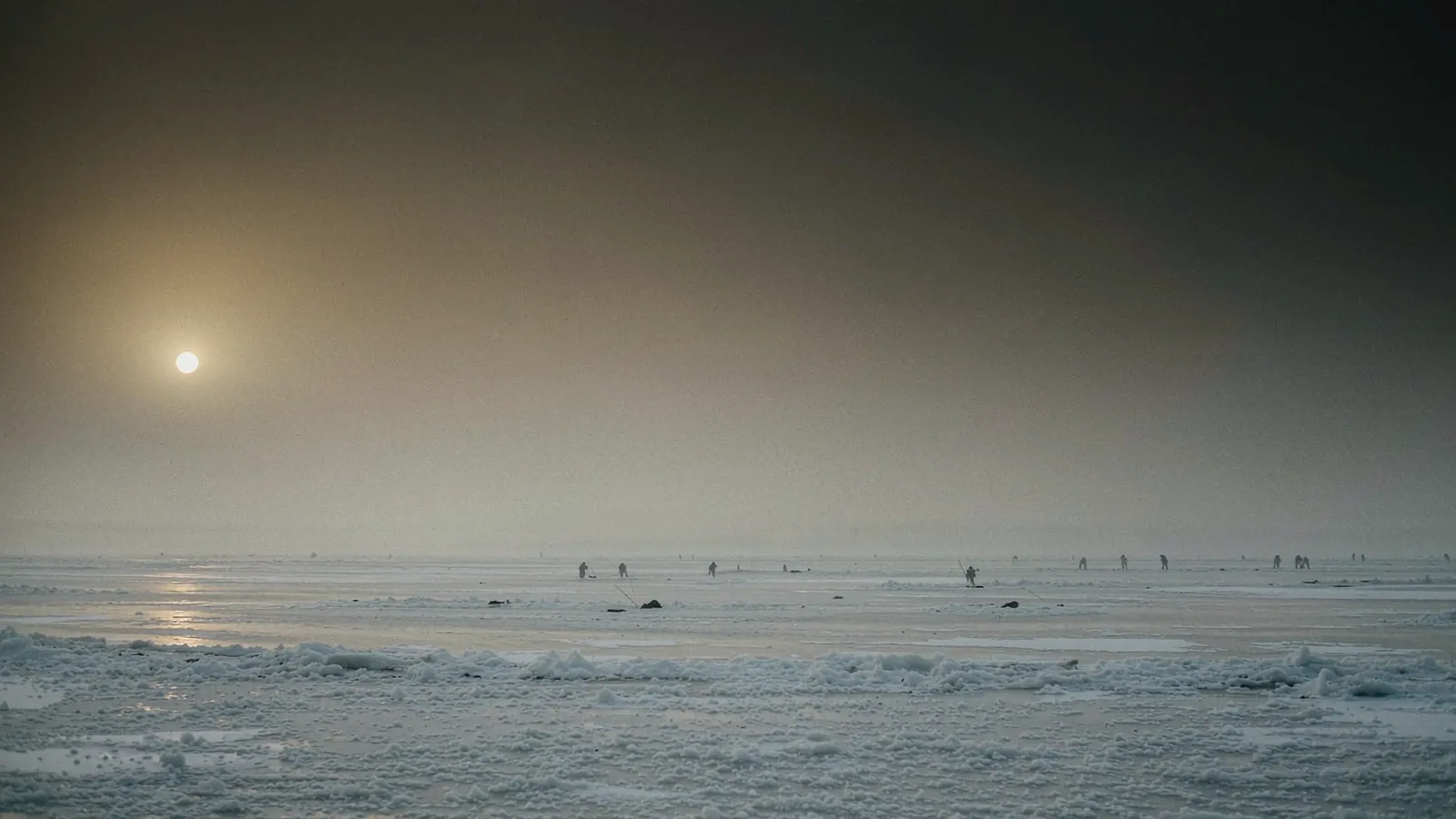
Winter, December to February. The season and the reason. Temperatures drop far below zero for weeks on end, with long dark nights: by around 16:00 the light is going, which is not a defect, because the sculptures only exist when lit. The Songhua freezes from bank to bank and is crossed on foot. Behind doors, heating is strong and the range between the street and the interior is enormous; that is why you dress in layers and not in one coat. Snow is always present, which changes the sound of the city: muffled footsteps, low engines, steam coming off everything.
Spring, March to May. March is the tail of the season: there are still sculptures standing in the first weeks, but they enter thaw and the venue closes. After that, April and May are the worst time of year for this city. The ice melts, dirty snow piles up on the verges, the river opens and the landscape turns drab for weeks. It is still cold in the mornings and evenings, but not enough for there to be a festival. It is the season of the thaw, and in Harbin the thaw has nothing beautiful about it.
Summer, June to August. The surprise. Harbin is, in summer, one of the coolest and most pleasant cities in northeast China, with long days, moderate heat and afternoons that are comfortable to be out in. Central Street, the river banks and the Russian architecture districts are walked without suffering. There is no ice at all, and that has to be accepted from the start.
Autumn, September to November. September is still mild and has beautiful days on the river banks. October and November are the run-up to winter: the leaves fall, it cools quickly, and the cold arrives before the snow does. It is the second dead season of the year, and of the two the more disappointing, because the city is already cold and still has nothing to show.
The best moment for each experience
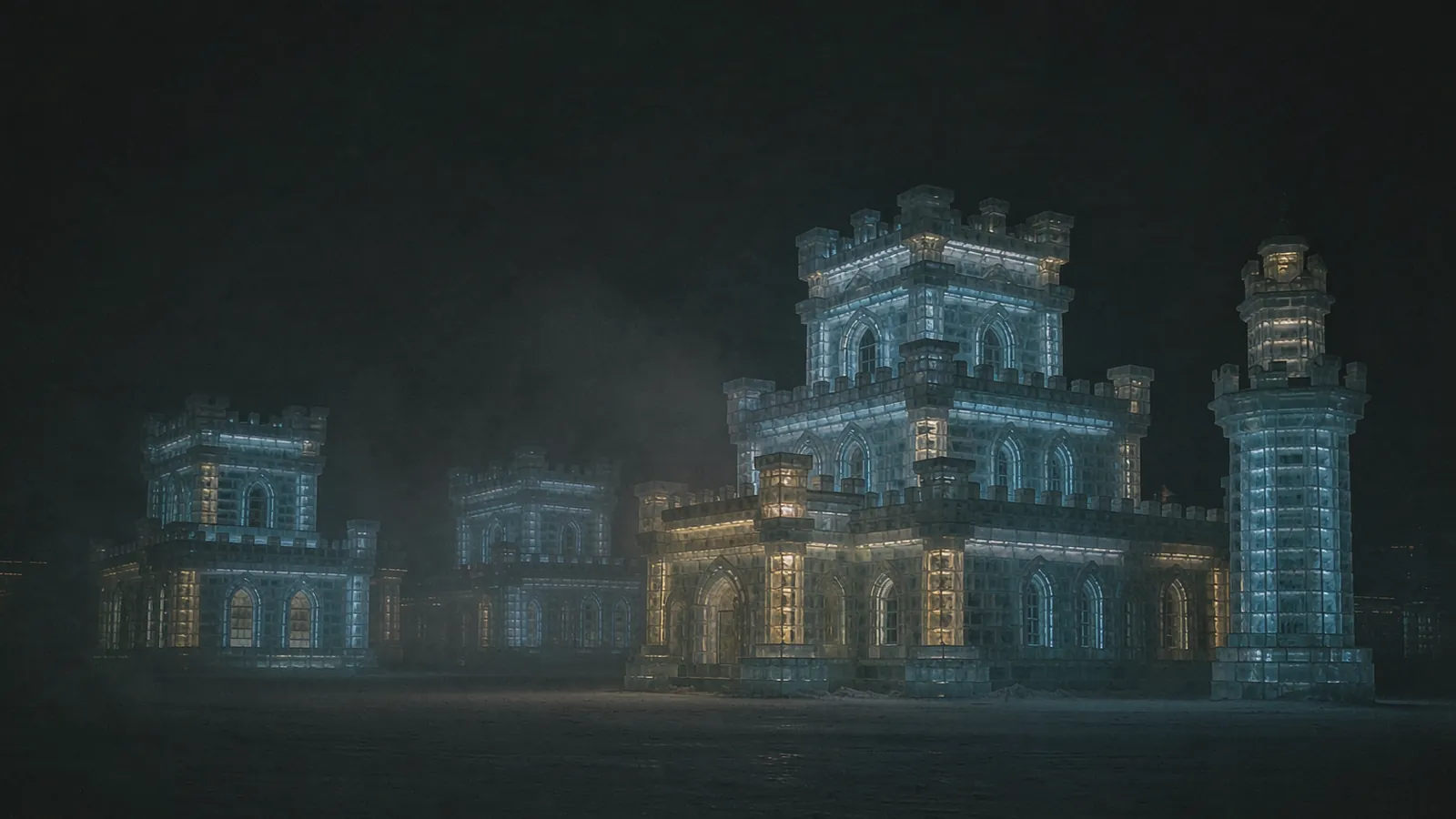
The Ice and Snow Festival has its own dates: the venue opens at the end of December, but the large sculptures take weeks to erect, so January and the beginning of February are the months when the whole is complete and when the structures read translucent with the lights on from the late afternoon. Sun Island, with the snow sculptures, and the Ice and Snow World are the two central visits, and both gain with full night. Central Street and Saint Sophia Cathedral work in any season, and gain from snow on the ground, which points once more to January. The hot springs and the skiing in the surroundings follow the same season. The night market and the food streets are the summer version of the same city.
Holidays and peak periods
Harbin’s peak is not a national holiday, it is the climax of the season. The Lunar New Year weeks often coincide with January or February, adding to the cold and the ice the highest volume of domestic visitors of the year, with hotels and flights at maximum price. The city receives domestic tourism in quantity, so the festival venues fill in the late afternoon and evening: the answer is to go in as soon as the lights come on and keep the night for the neighbourhoods. Outside that peak, December and March are the weeks of lowest attendance in the ice season.
When not to go to Harbin
April, May, October and November: these are the months when the city has no ice, no festival and no greenery, and when it is still cold. Nothing is happening and the discomfort is not compensated. The Lunar New Year weeks are the other ones to avoid, for the volume of people and for the prices, especially for anyone without bookings made in advance. Summer is not a season to avoid: it is a different season, which only disappoints anyone who did not know what they were coming for.
What to pack, season by season
For winter: thermal clothing in layers, a waterproof hooded coat, a hat that covers the ears, gloves — preferably two, a thin one for photographing and a thick one over it — a scarf or neck protection and shoes with a thick, treaded sole, because the stone setts of Central Street turn glass-smooth when they freeze. Also bring sunscreen and sunglasses, because the snow reflects, and a second battery for phone and camera, which in cold run down twice as fast. Count two stops in warm places per afternoon. In spring and autumn, a rain shell and layers, with the certainty that there is nothing to see. In summer, light clothing, as in any city with a mild climate.
What the cold does to equipment
Harbin’s cold does not spoil the trip, but it punishes carelessness. Phone and camera batteries run down much faster, which is why they are carried in an inside pocket close to the body and a second battery is always brought. The phone screen responds worse to thick gloves, so thin gloves are worn underneath and the outer one is only taken off at the moment of photographing. Lenses fog up when you come into a warm place: the camera is left closed in the bag, inside the coat, until it matches the temperature, which avoids half an hour of misted glass. Skin dries quickly, lips crack, and anyone wearing contact lenses suffers in the transitions between the street and heated interiors. Bring lip balm, cream and saline solution, and use sunscreen, because the snow reflects.
How the season changes the daily plan
In winter, the day in Harbin starts later than in other Chinese cities, for two reasons: the light goes around 16:00 and going out at dawn does not pay. You go out mid-morning for the city and the neighbourhoods, have lunch somewhere warm, and enter the festival venue when the lights come on, in the late afternoon. Count two stops in warm places per afternoon and plan the evenings instead of improvising them: it is after dark that the city is seen. In summer the day is that of any mild-climate city, with long walks on Central Street, along the river banks and on the terraces until late. In the dead seasons, there is no plan worth making.
The calendar in four lines
The best moment is the second half of January and the beginning of February: ice complete, the river crossed on foot, lights on in the late afternoon and the city in season. The second choice is December and the first weeks of March, with fewer people and lower prices, at the cost of a whole either not yet finished or already thawing. The weeks that ask for thought are those from June to August, pleasant but without ice, and the Lunar New Year weeks, with the peak of attendance. The seasons to avoid are April, May, October and November, the dead months with no festival, no snow and no reason for the cold.
Fitting the right season into a trip
Harbin only comes into a route when the trip is a winter one, and then it is the destination that justifies the whole thing. On China in Winter the city is the climax of the itinerary, with the northeast after it, and January is the month in which the set works: Beijing empty, the Wall with snow and the ice of Harbin at its point. On Photographic China it comes in as a record of light and architecture, and both winter and summer give good results for opposite reasons. For the full destination listing, go back to the Harbin page.
Frequently asked questions
What is the best time to visit Harbin?
The second half of January and the beginning of February. That is when the Ice and Snow Festival sculptures are complete, the Songhua river is frozen enough to walk on and the city is living its season. Temperatures are very low, and that is the price: without cold there is no such city.
Is it worth going in December?
It is, with one caveat. In December temperatures are already winter ones and the festival venue opens, but the large sculptures are still under construction and the whole does not look as it does in January. On the other hand there are fewer people and hotels are cheaper. It is a good choice for anyone who wants to see the start of the season without the peak crowds.
Does Harbin have any interest in summer?
It does, and it is one of the coolest cities in the country at that time. The Russian architecture, Central Street, the banks of the Songhua and the teahouses are enjoyed in July, when the rest of China is boiling. What there is not is ice: anyone coming in summer comes for the city and for the coolness, not for the reason that made it famous.
Are there months when it is not worth going?
There are. April, May and October are Harbin's dead months: the ice has melted or has not yet frozen, the landscape turns drab, there is no festival and no snow, and it is still cold. Between November and the beginning of December the same happens, with the extra nuisance of the city already being cold with nothing to show for it.
How do you cope with Harbin's cold?
With layers and with discipline. The city heats every enclosed space strongly, so the rule is to undress on entering and dress on leaving. Count two stops in warm places per afternoon — cafés, teahouses, hotel lobbies — and that is how you last four hours outside instead of two. Phone and camera batteries run down fast: carry them in an inside pocket and bring a second battery.