Things to do · Harbin
what to do in Harbin
The ice festival, the snow sculptures, the Russian centre and the winter extensions: the city's zones and how long each one needs.
At a glance
- Best time to visit
- Dec–Feb
- Suggested nights
- 2 to 3 nights
- Region
- Nordeste
- Booking required
- Harbin International Ice and Snow Festival
What to do in Harbin is a question whose answer changes with the month. Between the end of December and the end of February, the city builds a second city entirely of ice and snow; outside that period, what remains is an industrial capital with a remarkable Russian historic centre. This page is the practical version of our Harbin page: it splits the destination by zone, says how long each takes and what hours it pays to be there.
The zones of Harbin and what to do in each
The Songhua river island, with the Ice and Snow World. This is the main venue, equivalent to dozens of football pitches, with full-size replicas of temples and palaces made from blocks of ice cut from the river itself, lit from inside by neon tubes embedded in the ice. Go after 16:30, when the lights come on and the ice turns translucent; by day it is white and dull. Allow two to three hours, with breaks in heated rooms in between. It is the most expensive ticket in the city by Chinese standards and it is also the only thing like this in the world at this scale.
Sun Island, with the snow sculptures. Across the river, it is the second venue and the one many people skip by mistake. Compacted snow allows forms that ice does not, and daylight favours these sculptures, unlike the others: we recommend them in the morning or early afternoon, and the ice for the end of the day. Two hours.
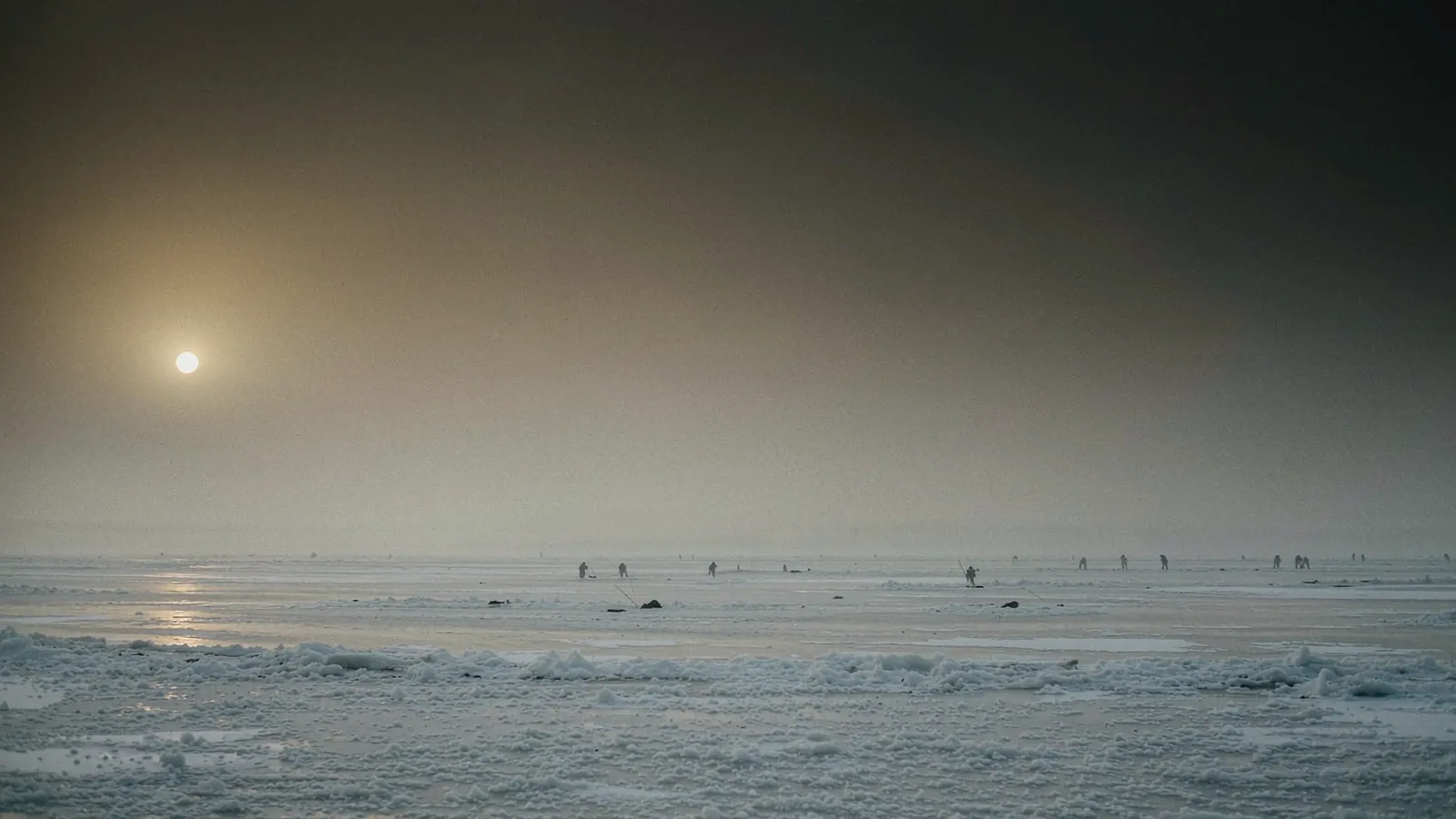
The frozen Songhua river. Along the banks and on top of the river itself there are ice slides, sleds pulled by huskies, pools cut into the ice for winter swimming and stalls of hot food. There is no entry ticket and it is where you see the local population enjoying itself, which is half the work of understanding the place. One hour, fitted between the two venues.
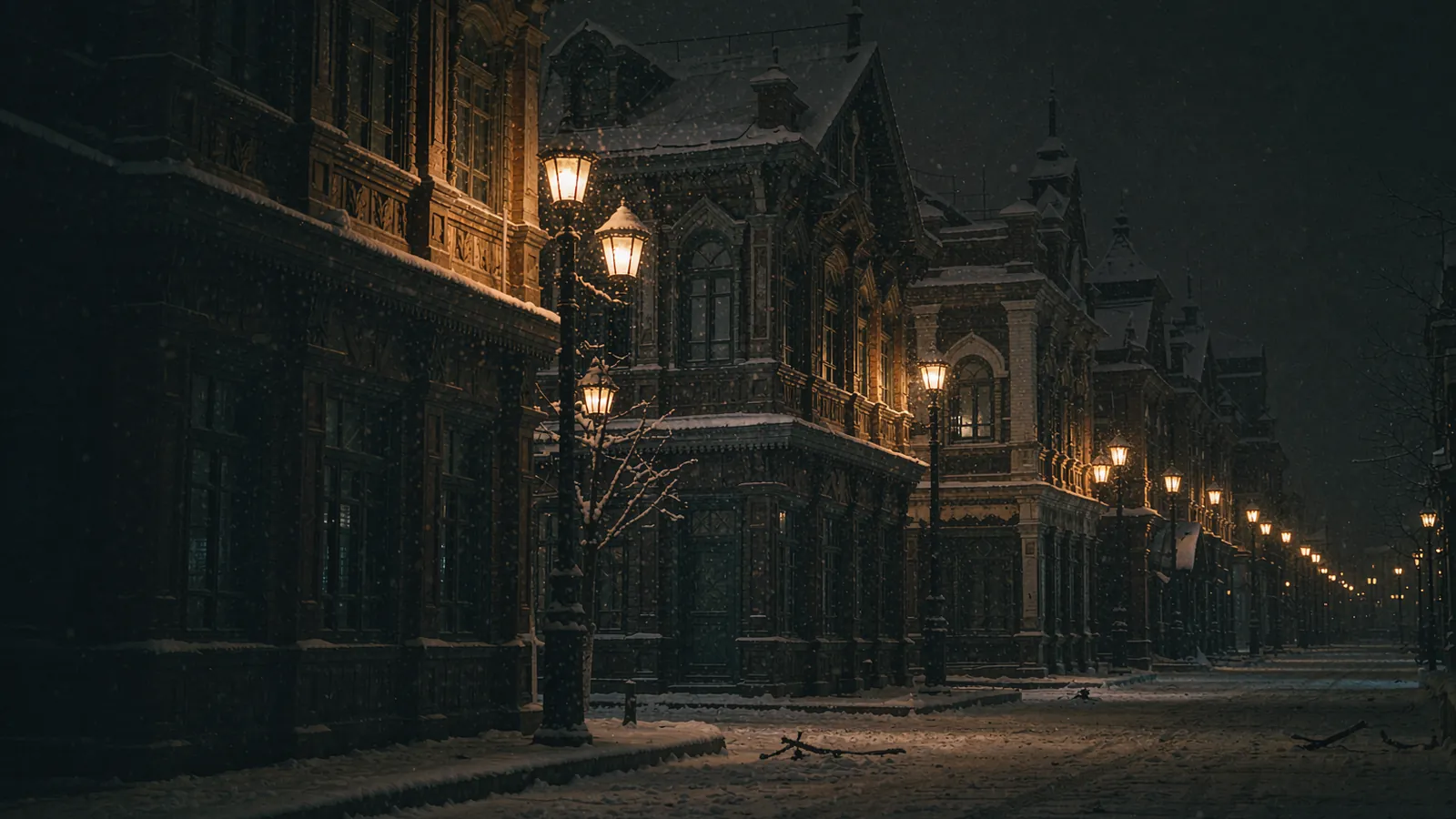
Central Street and the Russian centre. Zhongyang Dajie is an 1898 paving of stone setts lined with Russian buildings — banks, hotels, bread and ice cream shops. Ice cream is sold on the street at minus 25 degrees, and it sells well. In the late afternoon it is the most pleasant walk in the city. Right there is Saint Sophia Cathedral, brick with a green dome, built in 1907 for the Russian railway workers: it stands in the middle of a concrete block, which is part of the charm, and at night it has scenic lighting and music in the square, which turns a ten-minute visit into a late afternoon.
The Museum and Stalin Park. Little visited, they tell the story of the Japanese occupation and of the heavy industry that built the region. Half an hour, and a good choice for the morning after the festival, when the body asks for indoors.
How to split the day
In the morning. The snow sculptures of Sun Island, which gain from daylight, and the Russian centre on foot. This is also the time for the longer extensions, for anyone doing them.
In the afternoon. Preparation and indoors: museum, market, or simply a pause before the evening. The cold is not a question of courage, it is a question of management, and anyone who leaves the hotel at 15:00 to be outdoors until 22:00 ends up seeing nothing.
Late afternoon and evening. The Ice and Snow World, arriving before dusk to watch the lights come on. Two to three hours, with a break in the middle.
What lies outside the city
Xuexiang, the deep snow village. Around five hours by road, it has wooden houses with a metre of snow on the roofs and is the snow destination added on by anyone with more days. It asks for a night on the spot. It is not a day trip: the road is long and the village only makes sense at dawn and at night, with the roofs lit.
The ski resorts. About three hours away, with slopes for beginners and intermediates and a ski school. It is the extension most requested by anyone travelling with teenagers and by anyone who wants snow to do something with, not just to look at.
How long to give each place
- Ice and Snow World — two to three hours, after 16:30.
- Snow sculptures of Sun Island — two hours, by day.
- Frozen river and banks — one hour, fitted between the two.
- Central Street and Saint Sophia — one to two hours, late afternoon.
- Museum and Stalin Park — half an hour, indoors.
- Xuexiang — one night on the spot.
- Ski resort — a full day or a night.
How to move between zones
The two venues and the centre are close together and covered by car in a few minutes, which matters: the difference between leaving the venue and getting into a heated car in five minutes or in thirty is the difference between enjoying the night and spending it shivering. On our trips the car is always at the door, and that is why. For Xuexiang and the resorts, the road is long and is done with a driver used to snow.
What order to follow
First day: arrival, Russian centre in the late afternoon, Ice and Snow World at night. Second day: Sun Island in the morning, the frozen river in the middle of the day, rest, and the Ice and Snow World again in the late afternoon to see what was left. Third day: extension or return. With this order you never spend more than three hours at a stretch outdoors on any day, which is the rule that makes the trip run well.
If you have less time, if it is extremely cold, or if you have children
With two days. The Ice and Snow World on one night and Sun Island on one morning, with the Russian centre in between. The extensions drop out.
With extreme temperatures. Below minus 25 degrees we shorten the outdoor blocks to one hour and intersperse indoors. It is not dramatics: it is what allows you to go back out at night and enjoy it.
With children. Ice slides, husky sleds and beginner ski slopes. We provide an equipment list and help with renting thermal coat, gloves and boots on the spot, which avoids bringing half a suitcase of clothing that is worn for three days.
Mistakes that cost half a day
- Going to the Ice and Snow World by day. The sculptures are white and lose almost all their effect; the venue was designed to be seen at night, with the light inside the ice.
- Doing the main venue and Sun Island in the same block. They are two venues with different tickets and different light logics. One by day, the other at night.
- Counting on the phone for photographs. Batteries die in minutes at minus 20 degrees. Spare batteries are carried close to the body and hand warmers in the pockets.
- Arriving without equipment and counting on the hotel. It is possible to rent on the spot and we help with it, but the first night is lost to shopping.
- Booking the trip outside the festival. Without the sculptures, Harbin is a large industrial city. We always confirm the dates before selling the trip.
How we organise this on the ground
We provide an equipment list before departure and help with renting thermal coat, gloves and boots on the spot, which avoids bringing half a suitcase of clothing that is worn for three days. The car stays at the door of the venues: between leaving a sculpture and getting into a heated car in five minutes or in thirty lies the difference between enjoying the night and spending it shivering. We intersperse indoors — museum, market, a café — through the middle of every afternoon, and never plan more than three hours at a stretch outdoors. For Xuexiang and the resorts, the driver is used to snow and the departure is in the morning, so that arrival is not in full darkness on a mountain road.
How this fits into a trip
Harbin is the destination that justifies a trip to China in winter, and it works better as a final chapter than as an entry point. On our winter tours it is the high point of the route, with two nights and the lights of the main venue; on the photography tours it comes in for the low January light. For the full destination listing — where to stay, what to eat — go back to the Harbin page.
Frequently asked questions
How many days do you need for what there is to do in Harbin?
Two nights cover the ice festival, the snow sculptures of Sun Island and the Russian centre of the city. Three allow room for an extension: Xuexiang, five hours by road, or a ski resort. That is what we recommend to anyone who has already made the trip to the northeast.
What time should you go to the ice festival?
After 16:30, when the lights come on and the ice turns translucent. By day the sculptures are white and lose almost all their effect; this is a venue designed to be seen at night. Arrive before dusk to watch the change and stay two to three hours.
How long can you last outdoors?
Two to three hours at a stretch with full equipment. Then you go into a café or a heated room. The festival is done in two-hour blocks, with breaks in between, and that is how we organise it: it is not a question of endurance, it is a question of managing to enjoy it.
Is it worth going to Harbin outside the festival season?
For the snow landscape and the Russian heritage of the city, yes. For the ice sculptures, no: without them Harbin is a large industrial city, and in that case we recommend another destination. The festival usually opens at the end of December and closes at the end of February.
What is there to do in Harbin with children?
The ice slides of the main venue, the sleds pulled by huskies on the river and the beginner ski slopes at the resorts three hours from the city. What you avoid is more than two hours at a stretch outdoors in extreme cold — we always organise the morning in two halves with a break in between.