Things to do · Hong Kong and Macau
what to do in Hong Kong and Macau
The peninsula, Taipa and Coloane, Hong Kong Island and Kowloon: the destination's zones and how long each one needs.
At a glance
- Best time to visit
- Oct–Dec · Mar–Apr
- Suggested nights
- 3 nights
- Region
- Sul
- Booking required
- No booking required
What to do in Hong Kong and Macau begins by deciding how many nights go to each side. They are two different destinations despite the hour of ferry that separates them, and the crossing eats half a day between exit formalities, the crossing itself and entry. This page is the practical version of our Hong Kong and Macau page: it splits the destination by zone, says what to do in each, how long it takes and what hours it pays to be there.
The zones of Macau and what to do in each
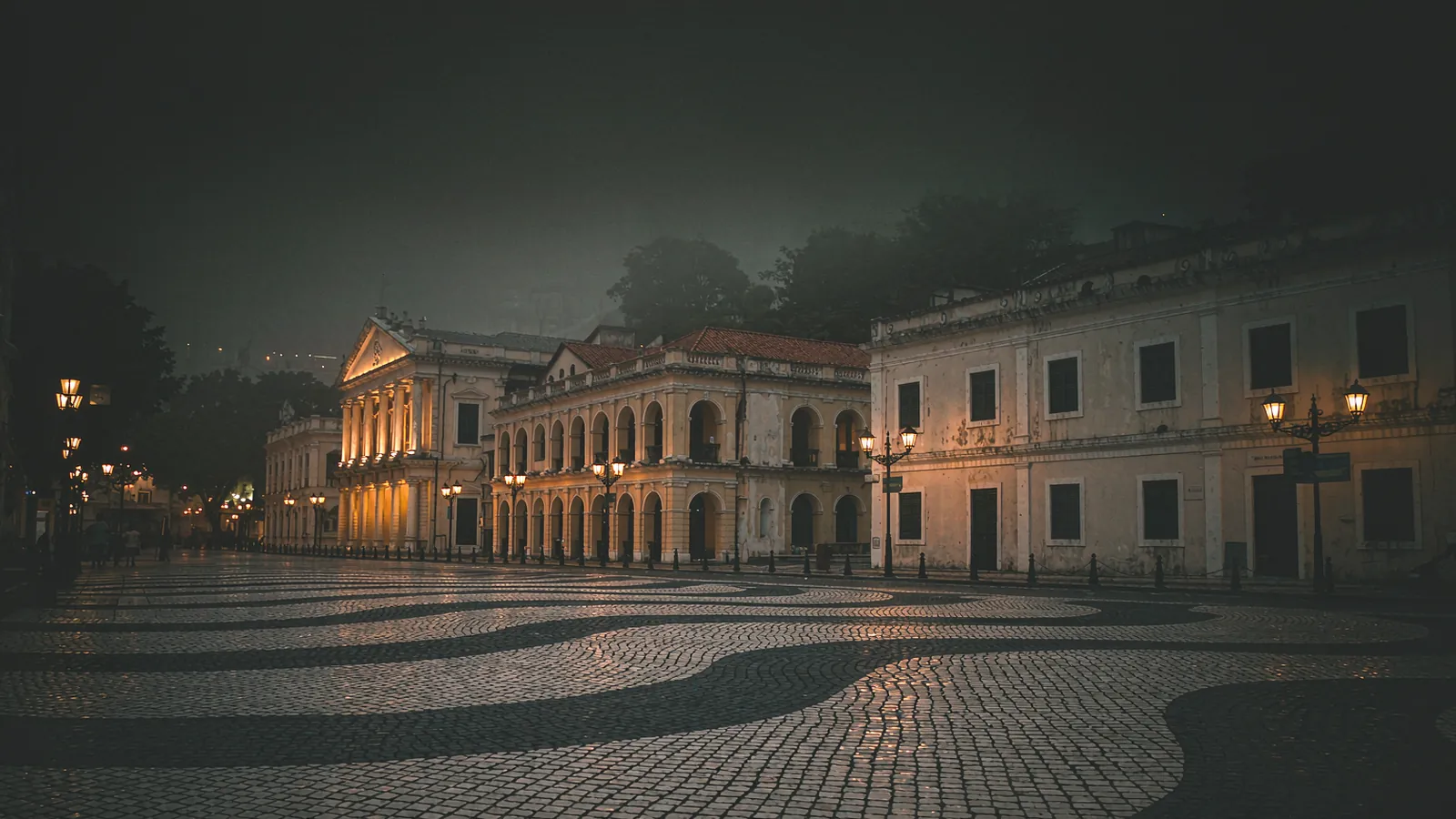
The peninsula, the historic centre. The Ruins of St Paul’s are the facade of the church built by Jesuits in 1602 and destroyed by fire in 1835: what remains is the carved stone face with saints, angels and Chinese characters. Go early, before 09:00, because the street in front after that is a single queue. From there you walk down to the Largo do Senado, a Portuguese square of undulating paving with ochre buildings and the Leal Senado, and into Rua da Felicidade, with green doors and balconies, which was the brothel district a hundred years ago. Half a morning covers this axis.
The Monte Fort and the lighthouse. You go up by lift inside the fortress and get the view of the whole peninsula, squeezed between the Pearl river delta and the South China Sea. It is the best geographical explanation of Macau and takes forty minutes. Next to it are the ruins of the city wall and, further south on the slope, the A-Ma Temple, which gave the territory its name.
Taipa and Coloane. Across the bridges are the old fishing villages: twentieth-century houses, small temples and bakeries. In Taipa, the old street is full today of restaurants and of the retail that sustains them. In Coloane, the village has turned into a row of open-air restaurants facing the channel that separates Macau from Zhuhai. It is the zone where the food is best and where the rhythm is slowest: a whole afternoon, with dinner.
The zones of Hong Kong and what to do in each
The island, on the Central side. This is the Hong Kong of offices and skyscrapers, with the 1888 funicular climbing to Victoria Peak. A practical note: the funicular queue easily passes 45 minutes in the late afternoon; when it is like that, we go up by taxi on the upper road and come down by funicular with no queue. Below, the Star Ferry crosses the bay to Kowloon in ten minutes, for a ticket that would not pay for a coffee — it is the same view as the bay cruises and still the best deal in the city.
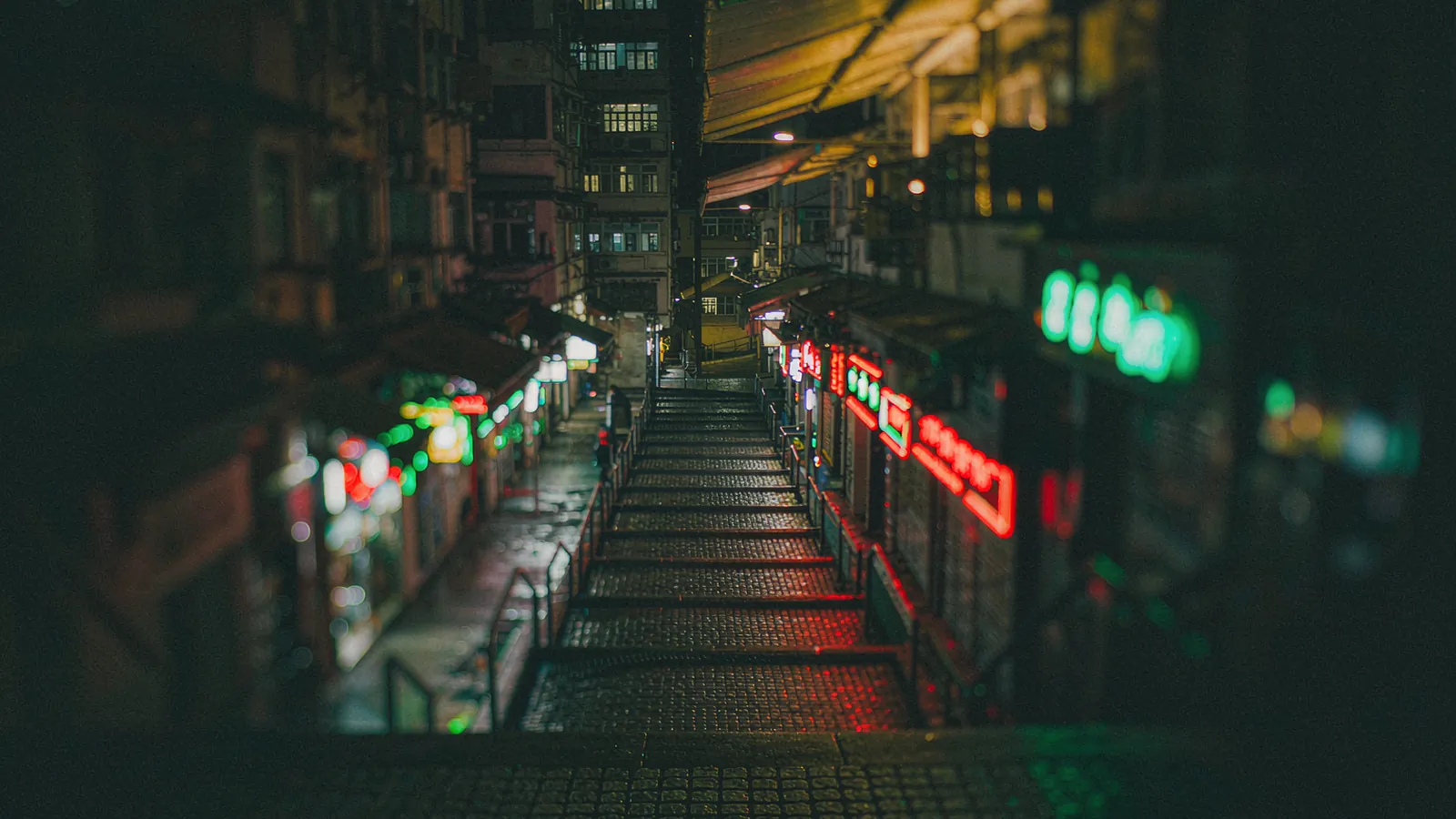
Kowloon, across the water. Tsim Sha Tsui has the museums and the waterfront walk with the reverse view of the skyline; Mong Kok has the densest street life in China, with street markets and restaurants open until late; and the Temple Street night market is the place to eat outdoors. The Wong Tai Sin temple, further north, is the busiest Taoist temple in the city and is worth a morning, especially on the days when fortunes are drawn.
The outlying islands. Lantau, with the Tian Tan Big Buddha and the Po Lin monastery, is reached by a cable car with a glass-floor cabin and takes half a day. Stanley, in the south of Hong Kong Island, has a market and a beach and is a good half afternoon for anyone who has already seen the centre.
How to split the day
In the morning. The historic centre of Macau before 09:00, or the temples of Hong Kong, which gain from the light and from the worshippers. The crossing between the two destinations is done in the morning, so as not to lose the afternoon to formalities.
In the afternoon. Taipa and Coloane in Macau; the museums and markets in Hong Kong. This is also when rain tends to appear in summer, with short, strong thunderstorms.
Late afternoon and evening. The bay ferry at sunset, Victoria Peak when the queue drops, the restaurants of Coloane or the street restaurants of Mong Kok. Hong Kong does not close, and it is the only city in China where you can arrive at a restaurant at 23:00 without preparation.
What lies further out
Zhuhai and the Pearl river delta. From Macau you cross the border into Zhuhai in little time and it is a natural extension for anyone who wants to see mainland China from here. It asks for an extra night and for visa logistics that we handle case by case.
The islands of Hong Kong. Lamma and Cheung Chau are car-free islands, with fishing villages and footpaths. An excellent second half of a day for anyone staying three nights.
How long to give each place
- Historic centre of Macau — half a morning, starting before 09:00.
- Monte Fort and lighthouse — forty minutes.
- Taipa and Coloane — a whole afternoon, with dinner.
- Central and Victoria Peak — half a day, with the ascent depending on the queue.
- Kowloon and markets — an afternoon and an evening.
- Wong Tai Sin temple — an hour and a half.
- Lantau and the Big Buddha — half a day.
- Macau–Hong Kong crossing — half a day between departure, ferry and entry.
How to move between zones
The Macau peninsula is covered on foot and by bus, and for Taipa and Coloane there are buses and taxis at low prices. In Hong Kong, the metro is the most efficient network in China, with bilingual signage, and the public ferry crosses the bay for a fraction of the price of any alternative. Between the two destinations, ferry or bus over the bridge, chosen according to the state of the sea and that day’s queues.
What order to follow
Starting in Macau and finishing in Hong Kong is what works best: Macau has less scale and prepares the traveller for the density of Hong Kong, and not the other way round. Two nights in Macau, with the peninsula on the first day and the islands on the second, and one or two nights in Hong Kong, with Central and the Peak on one day and Kowloon on the other.
If you have less time, if it rains, or if you have children
With two days. You choose one destination. Macau for the history and the food; Hong Kong for scale and street life.
With rain. Tsim Sha Tsui museums, covered markets and shopping centres. Victoria Peak in fog sees nothing.
With children. The ferry, the Ngong Ping cable cars, the fountain shows at night and the beaches of Coloane. It is one of the easiest destinations in China to do as a family, because almost everything has direct public transport and signage in English and Chinese.
Mistakes that cost half a day
- Treating Macau as a half-day trip from Hong Kong. It is enough to see the Ruins of St Paul’s and little more; the peninsula and the islands ask for two nights.
- Going to the Ruins of St Paul’s after 09:00. The street in front becomes a single queue and the photograph stops being possible.
- Taking the Peak funicular at 18:00. The queue easily passes 45 minutes. We go up by taxi on the upper road and come down by funicular with no queue.
- Crossing from Macau to Hong Kong and counting on two hours. Between departure, ferry or bridge and entry, it is half a day.
- Eating only in the casinos. Macanese food is in the taverns of Taipa and Coloane, and that is where we take it seriously.
How we organise this on the ground
In Macau we start the peninsula before 09:00, when the street of the Ruins is still empty, and finish the morning at the Largo do Senado with time to go into the Leal Senado. The afternoon goes to Taipa and Coloane, with dinner booked at one of the Macanese community’s houses — one of the things we organise and that you cannot manage by chance. For the crossing, we choose ferry or bridge according to the sea and that day’s queues, and handle the formalities with margin. In Hong Kong, the metro solves almost everything and the public ferry crosses the bay for a fraction of the price of any alternative; we carry tickets ready so no time is lost at machines.
How this fits into a trip
Macau is the only place in China where you arrive and hear Portuguese on the street, and for that reason it is the natural entry point for anyone coming from Portugal or Brazil. On our From the Tagus to the Delta route it is the starting point of the itinerary; on the honeymoon tours it comes in for the combination of city and island. For the full destination listing — where to stay, what to eat — go back to the Hong Kong and Macau page.
Frequently asked questions
How many days do you need for what there is to do in Hong Kong and Macau?
Three nights is the reasonable minimum: two in Macau, for the peninsula and for the islands of Taipa and Coloane, and one in Hong Kong, for the island and Kowloon. Anyone with only two days should choose one of the two and not try to rush both — the crossing eats half a day between ferry, formalities and transfers.
Should you stay in Macau or in Hong Kong?
It depends on what you are after. Macau has the Portuguese history, the Macanese food and a rhythm you cover on foot; Hong Kong has scale, verticality and the best street life in southern China. Sleeping in Hong Kong and visiting Macau in a day lets you see the historic centre and leaves you wanting more.
How do you get from Macau to Hong Kong?
By fast ferry, about an hour, or by bus over the Hong Kong–Zhuhai–Macau bridge. We prefer the ferry from the Taipa Ferry Terminal when the bridge has queues, and the bus when the sea is rough. In both cases there are exit and entry formalities in between.
Is Portuguese spoken in Macau?
It is, but less than people imagine. It is an official language alongside Chinese, taught in schools and used in public services and in the Macanese community, which represents a small percentage of the population. It is one of the things we organise: arranged conversations with the local community.
What is there to do in Hong Kong on a rainy day?
The Tsim Sha Tsui museums, the covered markets of Mong Kok and the shopping centres of Central, which are a local institution. The Peak in rain with fog shows nothing, and it is the most common mistake of anyone with only one day.