Things to do · Lhasa
what to do in Lhasa
The Potala, the Barkhor, the monasteries and the valleys to the south: the city's zones, how long each one needs and how the altitude is managed.
At a glance
- Best time to visit
- May–Sep
- Suggested nights
- 3 nights
- Region
- Tibete
- Booking required
- Potala Palace · Jokhang Monastery
What to do in Lhasa has one rule that overrides all the others: the city is at 3,650 metres and the first day is not used for sightseeing, it is used for acclimatising. Everything else is organised from there. This page is the practical version of our Lhasa page: it splits the destination by zone, says what to do in each, how long it takes and in what order the altitude is best tolerated.
The zones of Lhasa and what to do in each
The Potala hill. Thirteen storeys, more than a thousand rooms and 117 metres above the city. The visit is made with a named ticket and a fixed hour, and you have to book in advance because daily places are limited. Inside, steep stairs are climbed at altitude: it is done slowly, with stops, and there is no talk of hurrying. It is worth it above all for the funerary chapels of the Dalai Lamas and for the view of the city from the terrace. Two hours, minimum. It is the high point of the destination and for that reason it is not done on the arrival day.
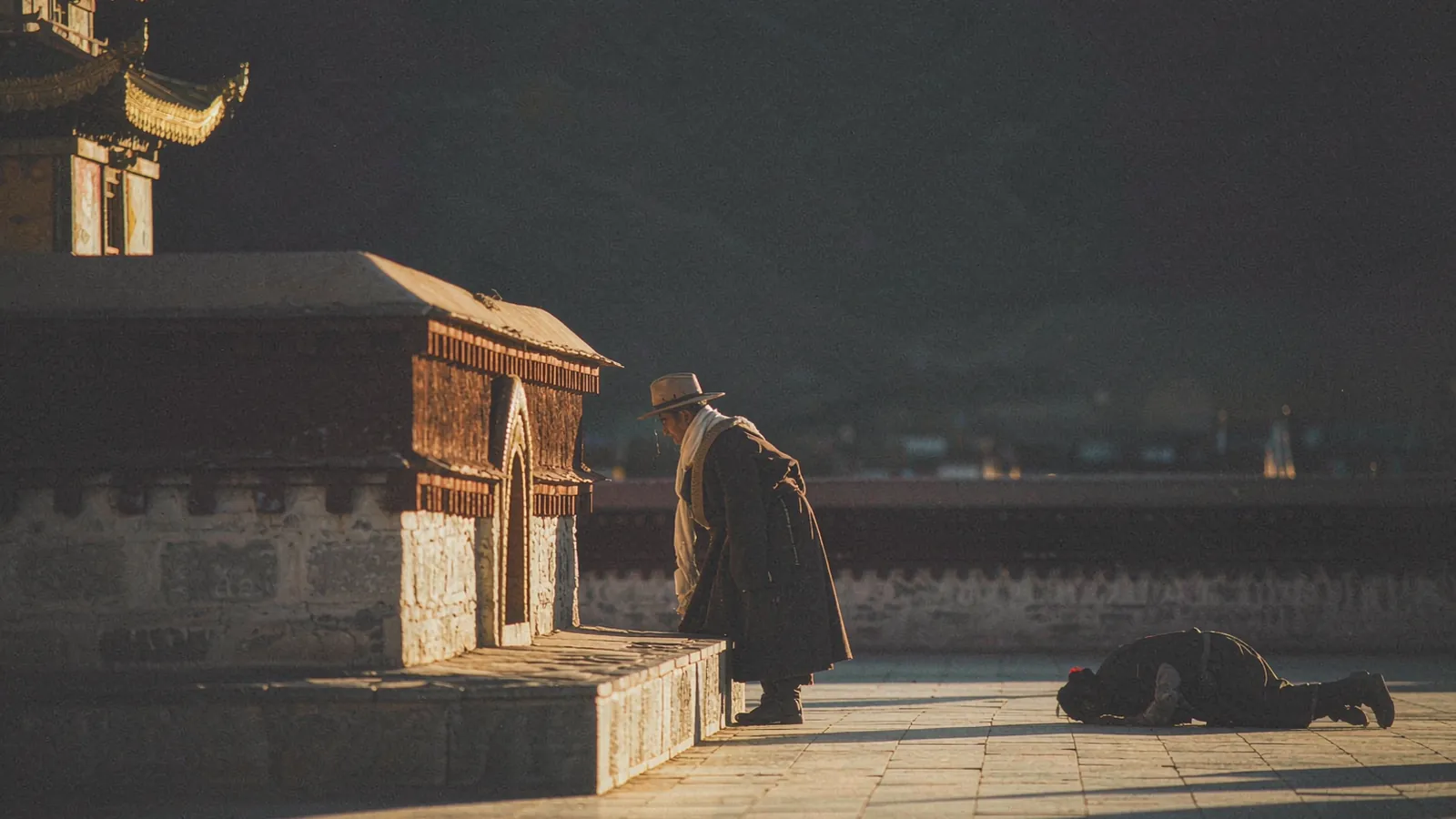
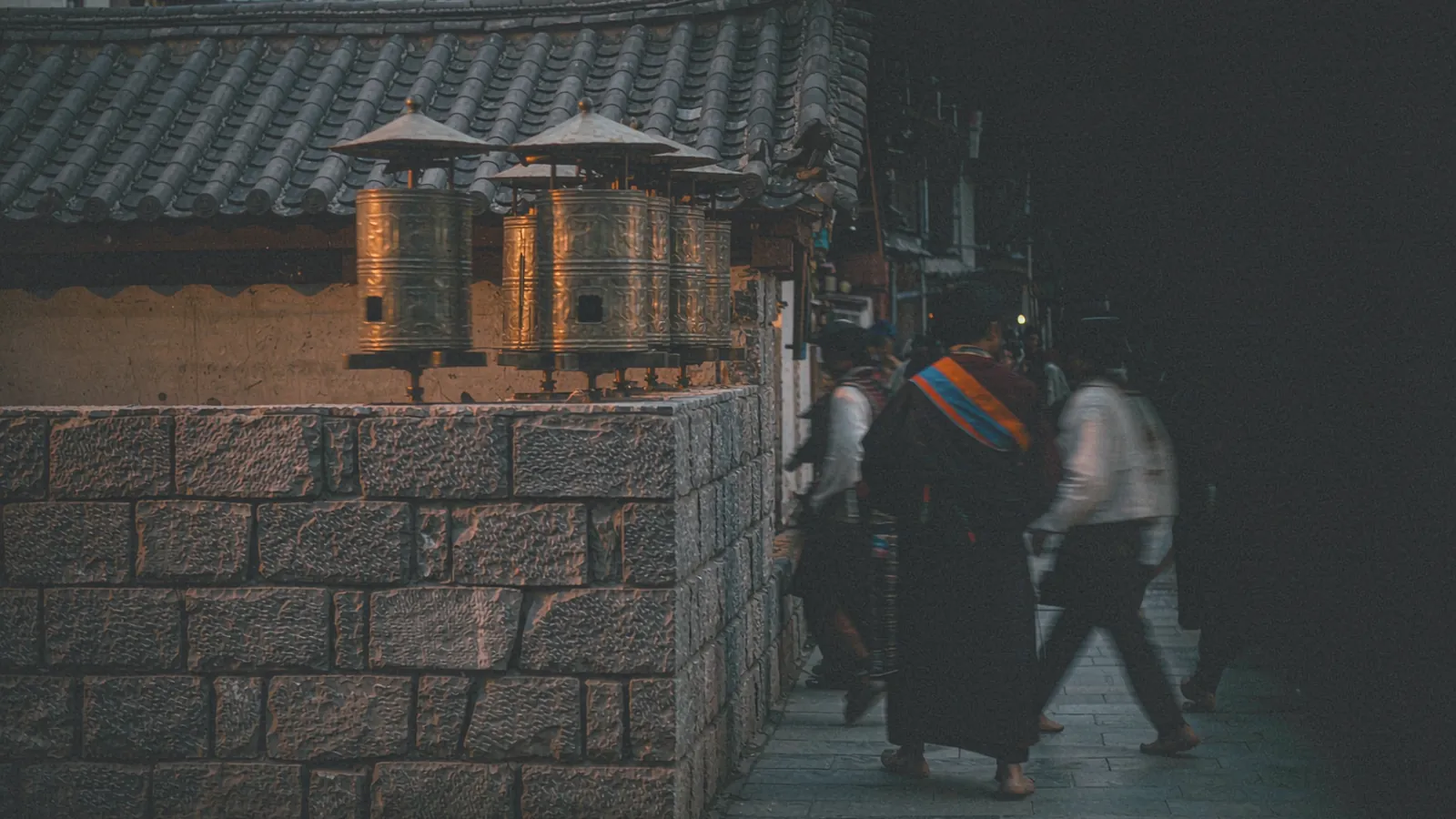
The Jokhang and the Barkhor, in the old centre. The temple founded in the seventh century keeps the most venerated statue in Tibetan Buddhism. Around it, Barkhor street is the pilgrimage circuit that is walked with the people: at 06:00 in the morning, when the pilgrims arrive from the villages, it is a spectacle; after 10:00 it turns into a shopping street. We always walk the circuit clockwise, as custom demands. It is the place where you see Tibet happening, rather than being visited.
The monasteries to the north. Drepung was the largest monastery in the world, with seven thousand monks, and still has white houses stacked up the slope; Sera is known for its outdoor debate sessions in the afternoon, in which the monks argue while clapping their hands. It is possible to watch from outside the courtyard, in silence. Each asks for one to two hours. It is the zone where you best understand that Tibetan Buddhism is a living university and not a museum.
Norbulingka and the southern bank. The summer palace of the Dalai Lamas, with gardens and trees planted two hundred years ago. It is the lightest walk of all and for that reason it is what we recommend for the second acclimatisation day: flat, shaded and without stairs.
How to split the day
In the morning. The Barkhor at 06:00, before the shops, and the monasteries afterwards. The morning light in the valley is clean and the city is still fresh.
In the afternoon. The Jokhang, Norbulingka and the Sera debate sessions, which happen mid-afternoon. This is also the time for consultations and shopping in the old street, for anyone who wants them.
Late afternoon and evening. The Potala square with its lighting, the Barkhor circuit again, which changes character completely after 18:00, and dinner in a Tibetan restaurant with music. Lhasa does not have the nightlife of a big city, and it is no loss: what you do at night is walk.
One warning that applies to all three days: at altitude sleep is lighter and you wake earlier than usual. It is not a problem, it is an advantage — the best hours in Lhasa are before 08:00, when the Barkhor belongs to the pilgrims and the valley is still clear.
What lies outside the city
Gyantse and Shigatse. To the south, by road, with monasteries and fortresses along the way. Each asks for a night and an additional permit. It is the most accessible extension and the one that best complements Lhasa.
Everest base camp and Yamdrok lake. Two nights away by road, crossing mountain passes above 5,000 metres. It is a trip within the trip and we recommend it only to anyone with five free nights and a tolerance for altitude already tested.
How long to give each place
- Potala Palace — two hours, with a fixed hour and booking made by us.
- Jokhang — one hour, in the morning or late afternoon.
- Barkhor circuit — forty minutes, at 06:00 or after 18:00.
- Drepung monastery — one to two hours.
- Sera monastery — one to two hours, with the debate in the afternoon.
- Norbulingka — one hour, on flat ground.
- Gyantse and Shigatse — one night each.
- Everest and Yamdrok — two to three nights.
How to move between zones
The old centre is covered on foot and is small; the Potala is a few minutes away and the northern monasteries about fifteen. For the extensions south, the road is done with a Tibetan driver and a private car — there is no public alternative for foreigners outside a fixed itinerary, and the travel permit requires a guide for the whole stay. That is why Tibet is visited on a private trip, never independently.
What order to follow
First day: arrive, settle in, walk slowly around the Barkhor in the late afternoon and sleep early. Second day: Potala in the morning at the fixed hour, Jokhang in the afternoon and the square at night. Third day: Drepung in the morning, Sera in the afternoon for the debate, and Norbulingka if there are still legs for it. This order has a medical reason before a touristic one: the most physically demanding day, the Potala day, falls after a night of acclimatisation and not on the arrival day.
If you have less time, if it rains, or if you have children
With two days. Potala and Jokhang on one day, the monasteries on the other, and you give up the full acclimatisation day — which we only recommend to anyone who has already slept at 3,000 metres before.
With rain or cold. The Potala and the Jokhang are indoors and gain from bad weather. The Sera debates move to covered spaces.
With children. It works, as long as the rhythm is respected: two activities a day, naps in between and no hurry to climb. We carry an oximeter to measure saturation and do not play with symptoms: if the oxygen drop is significant, the plan changes.
Mistakes that cost half a day
- Visiting the Potala on the arrival day. You climb more than a hundred metres of stairs at 3,650 metres of altitude. It is the right recipe for a headache and for ruining the following day.
- Going to the Barkhor at 11:00. The pilgrims from the villages arrive at dawn; after 10:00 the circuit turns into a street of shops.
- Counting on more than two activities a day. At altitude the body does not sustain the rhythm of a sea-level city, and what is gained in the morning is paid for in the afternoon.
- Booking the trip less than twenty days ahead. The Tibet travel permit requires a fixed itinerary and a process through an agency established in the region; it is not done at the last minute.
- Drinking alcohol on the first night. It adds itself to the altitude and spoils two days of acclimatisation.
How we organise this on the ground
We handle the travel permit at least twenty days ahead, with the full itinerary fixed and a guide compulsory for the whole stay — independent travel is not possible and it is not worth trying. On our groups we carry an oximeter and emergency oxygen, and measure saturation morning and evening on the first two days. The Portuguese-speaking guide and the local Tibetan guide work together, which is what makes it possible to understand what you are seeing: outside the hotels of Lhasa almost no English is spoken. For the extensions south, each one requires an additional permit, and we fit in three nights instead of rushing them.
How this fits into a trip
Lhasa is the destination in China that demands most planning and the one that most rewards anyone who plans it. On our Grand Crossing it is the high point of the route, with three nights and the permits handled twenty days ahead; on the photography tours it comes in for the light of the plateau. For the full destination listing — where to stay, what to eat — go back to the Lhasa page.
Frequently asked questions
How many days do you need for what there is to do in Lhasa?
Three nights is the reasonable minimum: one day to acclimatise, one for the Potala and the Jokhang, and one for the monasteries of Drepung and Sera. Anyone who wants to go on to Gyantse, Shigatse or Everest base camp needs three more nights.
How do you deal with the altitude of 3,650 metres?
Slowly. Arrive by plane, rest the first day without doing anything important, drink two litres of water, avoid alcohol and do not exert yourself in the first 48 hours. This resolves most cases of headache and shortness of breath. On our groups we carry an oximeter and emergency oxygen.
Is special authorisation needed to visit Lhasa?
Yes. All foreign travellers need a Tibet travel permit, issued through an agency established in the region, with the full itinerary fixed and a guide compulsory for the whole stay. We handle that process at least twenty days ahead, and independent travel is not possible.
Can the Potala be visited without a booking?
No. The visit is made with a named ticket and a fixed hour, and places per day are limited; we book days in advance. Inside, steep stairs are climbed at altitude, so it is done slowly and with stops.
Is an extension to the south worth it?
It is, for anyone with time. Gyantse, Shigatse and Everest base camp are two nights away by road, each of these extensions requires a further permit and the altitude rises. We recommend fitting in three extra nights rather than rushing them.