Best time to visit · Beijing
best time to visit Beijing
Month by month: when Beijing's sky is clear, when the sand wind blows and when the Forbidden City courtyards stop holding everyone. The right weeks and the two to avoid.
At a glance
- Best time to visit
- Apr–May · Sep–Oct
- Suggested nights
- 2 to 3 nights
- Region
- Norte
- Booking required
- Forbidden City · National Museum of China · Great Wall at Mutianyu
Choosing the best time to visit Beijing is, above all, choosing what kind of sky you want to see the Forbidden City under. The Chinese capital has a continental monsoon climate, with four clearly defined seasons and short transition windows between them: the winter coat gives way to short sleeves within a few weeks. The monuments are open all year and the Wall can be visited in January as much as in July; what changes radically is the quality of the light, the number of people in the courtyards and the patience needed in queues. This page answers “when to go to Beijing” with the calendar in hand, and complements the Beijing page, where the what-to-do and where-to-sleep live.
Beijing’s climate, month by month
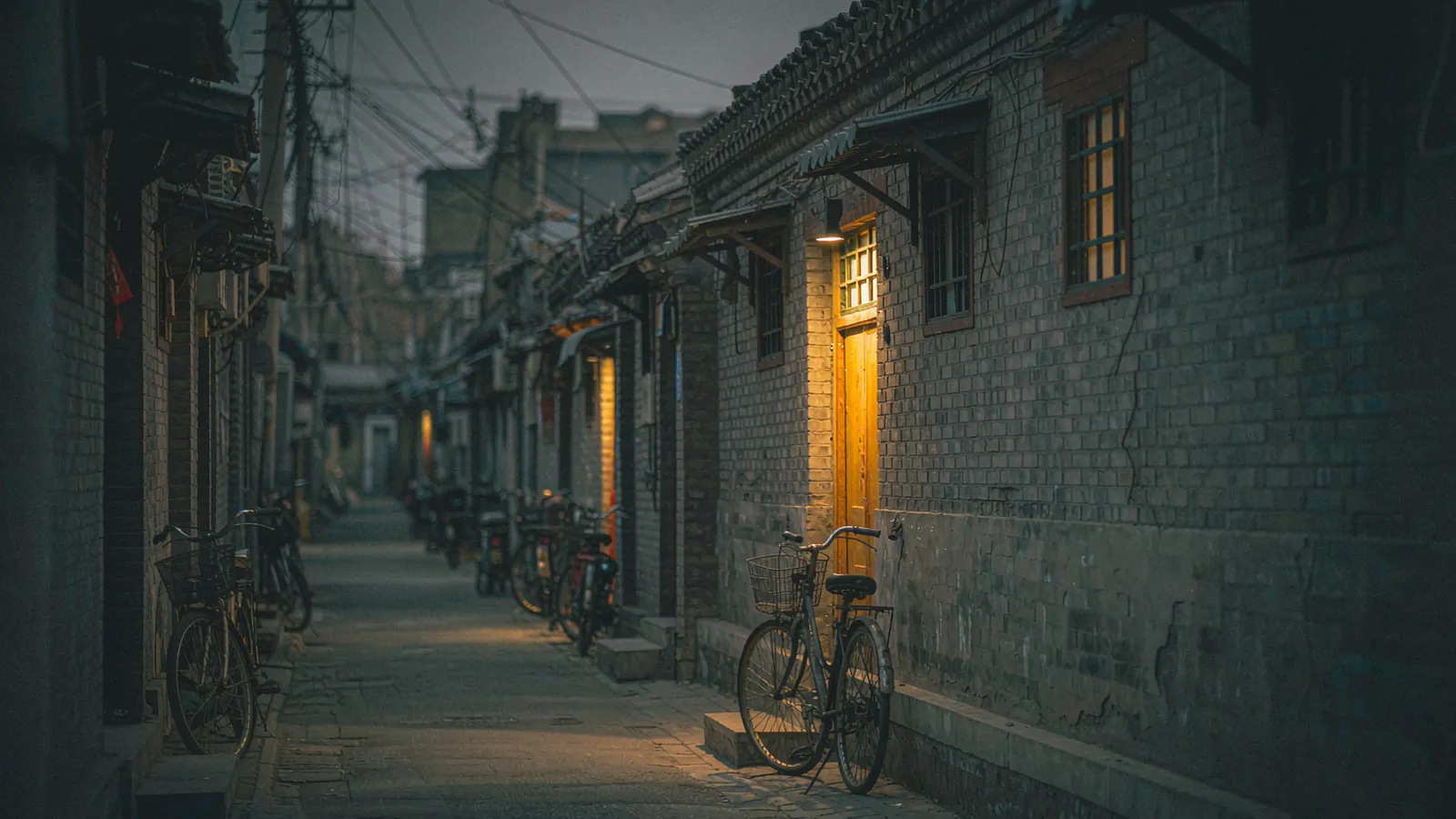
Winter, December to February. The longest season and the most underestimated. The cold is dry, with a northwesterly wind that cuts your face on the wide avenues, and the days are short: by around 17:00 the light is going. On the other hand, this is when the monuments are practically empty and when hotels run their lowest rates of the year. After a front of northern wind the sky clears and the side light on the yellow roofs is the best of the year. There are days of dry haze, especially in December and January, and anyone sensitive to air quality should check the local index the day before and adapt the plan. Snow arrives in modest amounts and melts quickly; when it catches the hutong rooftops it is the most sought-after image of the city and the hardest to time.
Spring, March to May. March is still winter: wind, dry air and cold nights. April and May are the real spring, short and very pleasant, with the gardens in flower — the lilacs of the Summer Palace, the peonies, the cherry trees of Jingshan Park — and temperatures that let you walk all day. The flip side of this season is the northwesterly wind, which on certain days carries dust in suspension from the steppes inland. These are not consecutive weeks, they are episodes of two or three days, with reduced visibility and unpleasant air; they pass and the city returns to normal. Anyone coming in April should pack sunglasses and a scarf, and be ready to push the Wall back a day while waiting for clear sky.
Summer, June to August. Hot and humid, with heavy afternoons and quick late-afternoon thunderstorms that break, flood the streets for half an hour and leave the air washed afterwards. It is also the season of the Chinese school holidays, which fills the monuments even on days when foreign visitors are few. It would not be our choice for a first trip, but it is not a season to cross off: mornings still allow the Wall, the Summer Palace gains from a full lake, and evenings in the hutongs are the liveliest of the year. What you do not do is the central axis of the Forbidden City at midday, with the sun straight overhead and not a patch of shade.
Autumn, September to November. The best season, and a short one. September brings dry air, clear sky and golden light on the rooftops; October begins with the trees turning yellow. This is when you can see the far shore of Kunming Lake and when the imperial axis photographs against the classic blue sky. November is already cold, with mornings that ask for a coat and the first nights below zero, but it keeps the clear sky and the empty streets. The only thing to watch in this season is the calendar: the week that starts on 1 October is the busiest of the year.
The best moment for each experience
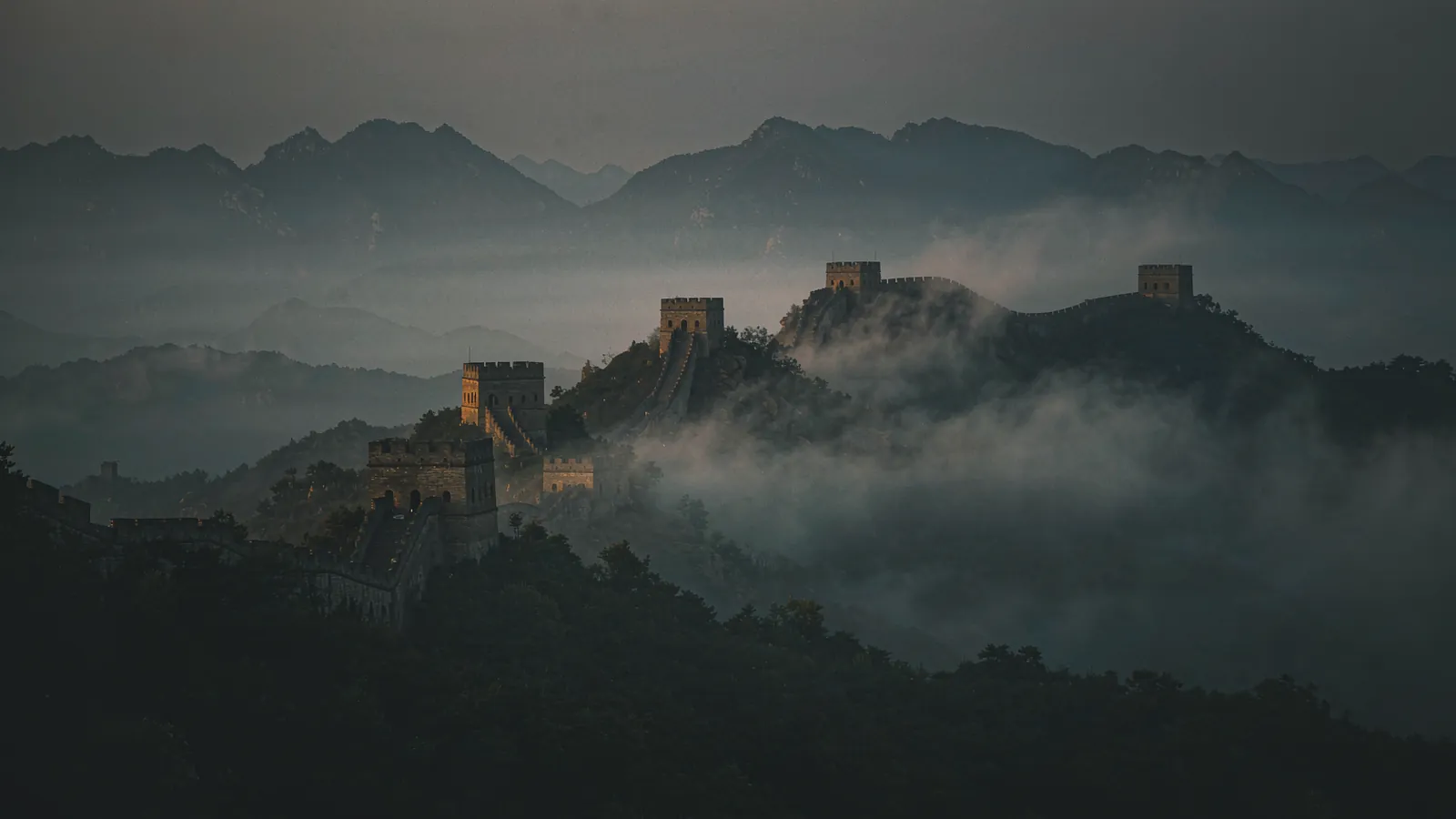
The Wall asks for the morning, in any month, and gains from clean air: September and October are the months you see furthest, March and April the ones with the highest dust risk. The Forbidden City gains from side light and mild temperatures, which points to April, May, September and October; in January you visit it in a coat and with the courtyards empty, which has its own appeal. The hutongs and the Shichahai lakes are late-afternoon experiences and live best in summer, when families stay out on the street until late and there are boats on the water. The Temple of Heaven at dawn is an outdoor spectacle and is lost to rain or to too much cold: April, May, September and October once more. The 798 district and the museums are the answer to any bad day, in any season.
Holidays and peak periods
There are two periods when we advise against a trip to Beijing, and they are the two when hotels and flights are most expensive. The first is the national holiday week, from 1 October: the city takes in millions of domestic visitors, the Forbidden City’s daily quota sells out days in advance and Mutianyu has a queue of coaches from opening time. The second is Lunar New Year, between late January and mid-February depending on the calendar, when part of the retail closes and prices jump. To these add the first week of May, also a holiday, and the school holidays of July and August, which close nothing but fill everything. If the trip falls in one of these windows, the answer is not to cancel: it is to book early, enter monuments at opening time and use the peak hours for museums, markets and teahouses.
When not to go to Beijing
With complete freedom over dates, the weeks to avoid are those of the October holiday and those of Lunar New Year, for the obvious reason of crowd volume. Then come the hot, humid weeks of July and August, for anyone who does not tolerate humidity well, and the dust days of March and April, for anyone with respiratory problems. Deep winter we do not advise against for anyone: it is cold and sometimes grey, but the city works and the monuments are yours. What we never recommend is arriving in Beijing in the three days after a dust front without an indoor plan B.
What to pack, season by season
In winter, layers, a windproof coat, hat, gloves and thick-soled shoes: the capital’s cold is dry and easy to bear as long as the wind does not get to your neck. In spring, light layers, sunglasses, a scarf for the face on windy days and a coat for the mornings. In summer, light cotton or linen clothing, a thin windbreaker for the thunderstorms and shoes that will not suffer in rain: the streets flood and dry quickly. In autumn, layers again, with a coat for the mornings and short sleeves for sunny afternoons. In any season, sunscreen and lip balm: the capital’s air is dry almost all year.
The calendar in four lines
The best moment is the last two weeks of September and the first two of October, up to the start of the holiday: dry air, clear sky, low light and monuments still without the crowds. The second choice is April and May, with the gardens in flower and mild temperatures, at the cost of some wind and episodes of dust. The weeks that ask for thought are those of July and August, with heat, humidity and school holidays: they can be done, but with indoor visits during the strong sun. The dates to avoid are those of the October national holiday and of Lunar New Year, for the volume of people and for the prices. Winter sits outside this ranking: it is the choice for anyone who prefers empty monuments to long days.
Fitting the right season into a trip
Beijing opens almost every trip we design. On the Essential Tours the city comes at the start of the route at any time of year, but it gives far more in April, May, September or October; on China in Winter the cold is exactly what you are looking for, with the Wall and the temples empty and the northeast right after. For the full destination listing, go back to the Beijing page.
Frequently asked questions
What is the best time to visit Beijing?
The last two weeks of September and the first two of October, up to the start of the national holiday week. In that window the summer heat has gone, humidity drops, the sky is frequently clear and the air from the mountains to the north has not yet turned cold. April and May come next, with mild temperatures and the gardens in flower, at the cost of some wind and dust in the air.
Is Beijing unbearable in July and August?
It is hot and humid, with late-afternoon thunderstorms that arrive suddenly and clean the air afterwards. It would not be our choice for a first trip, but it has a real advantage: hotel rates drop and the city fills with street life at the end of the day. Anyone coming in these months should plan indoor visits during the strongest sun and keep the mornings for the Wall.
Is it worth going to Beijing in winter?
It is, for anyone who accepts dry cold and short days. Between December and February the monuments are empty, prices are the lowest of the year and the winter sky is often the clearest, especially after a front of northern wind. Expect dry haze on some days and the need to dress in layers: coat, hat and gloves earn their place in the bag.
Which holidays should I avoid in Beijing?
The national holiday week, which starts on 1 October, and the Lunar New Year days, which fall between late January and mid-February depending on the calendar. In both periods the Forbidden City sells out its daily quota in advance and the Wall gets queues of coaches from 07:00. If there is no alternative, book everything early and put the main visits in the first hour of the morning.
Does spring really have sandstorms?
March and April bring days of strong northwesterly wind, with dust in suspension that cuts visibility and makes the air uncomfortable for anyone with respiratory problems. These are not consecutive weeks, they are episodes of two or three days, and they pass. Anyone coming at that time should pack sunglasses and a scarf, and be ready to push the Wall back a day while waiting for clear sky.