On the ground
Travelling in China with children
Pandas, rafts, climbing and cooking classes. China is one of the easiest destinations in Asia for a family trip — if the pace is theirs.
Two big visits a day, at most. China delights children, but tires them twice as fast if you run an adult itinerary.
Updated October 18, 2026
Two big visits a day, at most. China delights children — pandas, walls, boats, food eaten with chopsticks — but tires them out twice as fast when you travel at an adult pace.
What works with children
The rule we use when designing our family itineraries is simple: one big visit and one hands-on activity per day, with meals at set times and an afternoon break.
Activities that consistently work:
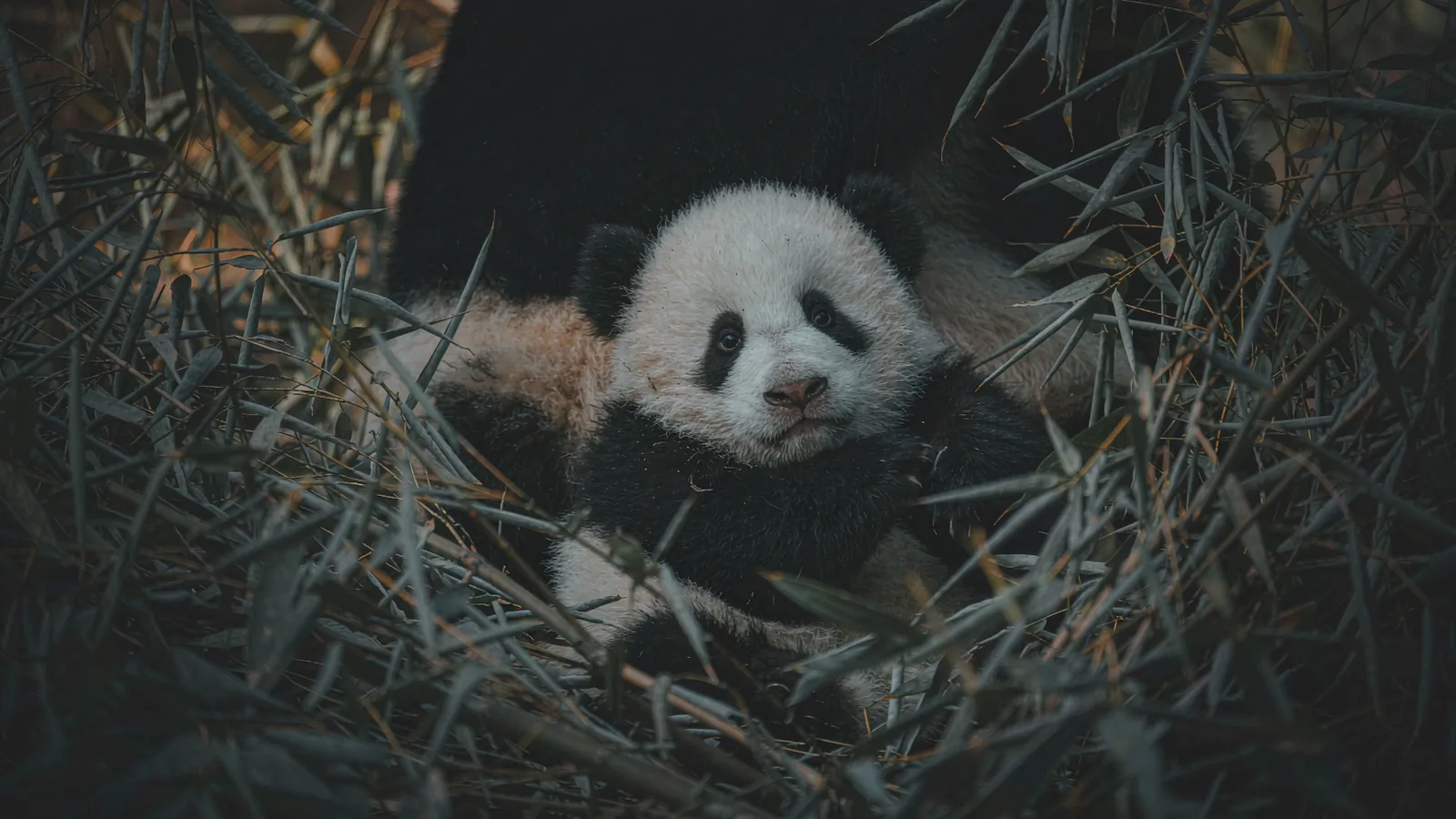
Pandas at the Chengdu Base. Watching adult pandas eat bamboo three metres away at 7.30am is one of those things a child does not forget. The cub nursery, at 9.30am, is the second high point.
The Great Wall with a toboggan. At Mutianyu you go up by cable car and come down in a luge-style cart. The logistics turn a historic monument into a fun afternoon.
Cycling on the Xi’an city wall. Fourteen kilometres of track on top of a 600-year-old wall. There are tandem bikes and the surface is flat.
Bamboo rafting in Yangshuo and cycling through the rice fields. Nature without effort, with buffalo and stone bridges along the way.
Climbing in Yangshuo. The local karst rock is a world-class natural school, with beginner routes from age eight.
A cooking class in Sichuan. Each child makes their own dish in the wok and then eats it. It always works.
Kites in Beijing. A hutong workshop where kites are made by hand, with help and patience.
What does not work, however hard you insist
It is equally useful to know what fails, because these are the mistakes that ruin whole days:
Three monuments in a day. At eleven, the second palace of the day looks like the first. One big visit and one hands-on activity, and the day holds up.
Museums longer than an hour and a half. There are exceptions — the Terracotta Army and the panda base always work — but a hall of eleventh-century bronzes does not compete for a morning.
Dinners at 8pm. Children from Europe eat dinner at 7.30pm at home; in China people eat even earlier. We schedule meals between 6pm and 6.30pm and save the long dinners for when grandparents are on the trip.
Days with two cities. One hotel change already costs an afternoon; two transfers in the same day cost the whole day and everybody’s good humour.
Chinese-only meals for twelve days. By day five, a child wants bread and cheese. We always plan one or two Western meals into the route, and a packet of biscuits in the rucksack is never a bad idea.

Documents and visas for the youngest
Every child travels on their own passport, regardless of age, valid for more than six months, and needs their own visa where a visa is required. There is no group visa and no child endorsed on the parents’ passport.
We handle the paperwork for the whole family as one block and say in advance what needs to be sent: a form per person, a recent passport-style photograph and, in some cases, an authorisation to leave the country signed by the other parent.
Flights and jet lag
Direct flights to Beijing or Shanghai take eleven to thirteen hours; with a stop, sixteen to twenty. Two practical suggestions: choose flights that land in the morning, so the first night is slept at the right time, and do not schedule anything important on arrival day.
With children, jet lag is overcome eastbound in two or three days, faster than one imagines, as long as you impose local time from the start and do not give in to long naps at the end of the day.
On the first days of the trip we run short itineraries: two visits in the morning, an unhurried lunch and a free afternoon at the pool or the hotel.
Toilets and hygiene
This is practical issue number one. Public toilets at monuments and motorway stops have no paper or soap, and squat toilets frighten European children the first time. We always carry tissues, wet wipes and gel, and the guide knows where the “Western” toilets are — shopping centres, hotels and new stations always have them.
For water, always bottled. For food, the criteria are the same as for adults, with one caveat: no ice and no raw food from street stalls.
Transport with children
High-speed rail is the best transport in the world for travelling with children: spacious carriages, tables, sockets, hot food on board and the ability to walk up and down the carriage. We always book seats together, ideally in a row of four with a table.
The metro gives priority to pushchairs in the lifts and is calm to ride, but at rush hour in Beijing or Shanghai it is better avoided with an open pushchair: carry the child or use a baby carrier.
A private car is our permanent choice for families: it allows naps, snacks and changes of plan without logistics. In every vehicle we carry water and a bag with first-aid essentials, and we agree at the outset who is carrying the car seat and who the pushchair.
Preparing the trip with the kids
What most influences the success of a trip to China with children happens before the flight. Two things always work:
Give them a mission. A notebook to collect stamps from stations and monuments, or a list of seven things to find — a panda, a red lantern, a stone bridge, someone playing chess in the street, a bicycle with a basket. It turns an afternoon in a museum into a treasure hunt.
Explain two local rules. That food is eaten with chopsticks and that asking for plain white rice is perfectly acceptable; and that they are going to be photographed — Chinese people love foreign children and ask for selfies without ceremony. Knowing it beforehand, it is fun; discovering it on day two, it is already odd.
We also always plan one morning or afternoon with no programme for every five days. It is never time wasted: it is where the best memories are born, which are usually a card game in a teahouse or a ball of dough kneaded by hand in a kitchen.
What it costs
Children up to 12 normally get a 20 to 40% discount on the land arrangements when they share the parents’ room. Entrance to monuments is free up to 1.20 metres in height and half price up to 14 or 16, depending on the site. Trains charge half fare up to a certain height and domestic flights charge around 75%.
We budget each family separately, because the number of people changes the size of the vehicle and the type of room.
Our Panda Route
It runs twelve days and four cities — Beijing, Xi’an, Chengdu and Yangshuo — with timings designed for people who need to eat at set hours. It includes two days with no fixed programme, to rest or repeat whatever the family liked most, and the guides are chosen for knowing how to handle children and not only for speaking English. It is requested more often than any other family itinerary we have.
Frequently asked questions
What is the best age for travelling to China with children?
From 6 to 14. From six they can cope with long days and understand what they are seeing; below five, the seven- to eight-hour jet lag weighs more than the destination compensates for. Babies travel well, but they force you to shorten everything.
Do hotels accept children in the same room?
They do, and in most mid- to upper-range hotels a child up to 11 or 12 shares the parents' room at no cost, provided no extra bed is requested. Our reservation is logistical: Chinese double rooms are small for two beds plus a child's bed, and we recommend a family room or connecting rooms.
Is there food children will eat?
Plenty. Plain white rice, scrambled eggs with tomato, simple noodles, banana, mango and steamed pastries work everywhere. Outside the big cities the choice narrows, and we always flag it before booking restaurants.
Do I need a car seat?
For babies and small children it is advisable, but it rarely exists in taxis or one-off hired vehicles. On our tours we provide a car seat and booster on request, at no cost, because we always use our own vehicle.
Is it safe to get around China with children?
It is one of the safest countries in the world for it: very low violent crime, monitored streets and an enormously warm attitude towards foreign children. Be prepared to be photographed, though: your children will be approached for selfies often.
Where this applies
Talk to the people who run it
Still got a question about travelling in china with children?
Message us on WhatsApp. We reply in English within one business hour (UTC+8).
Chat on WhatsAppReplies in English · no obligation